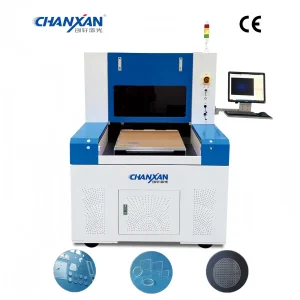
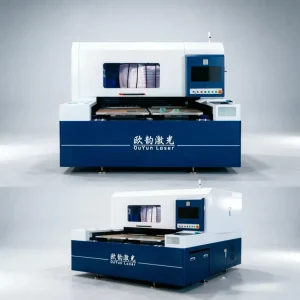
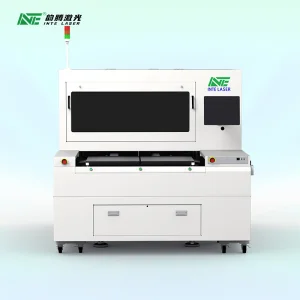
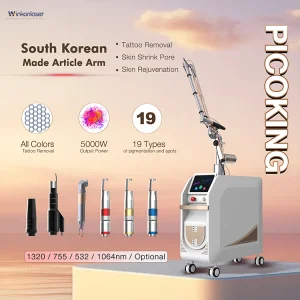
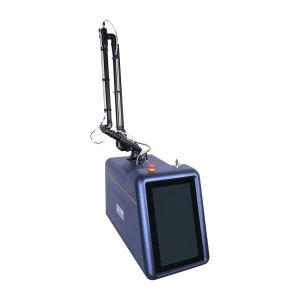
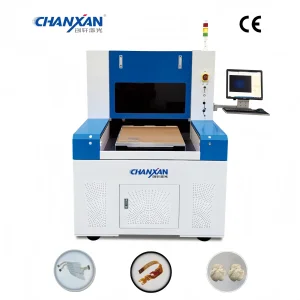
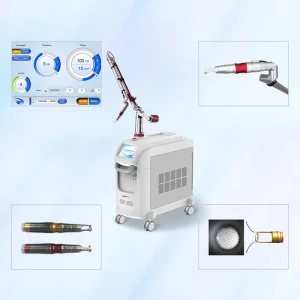
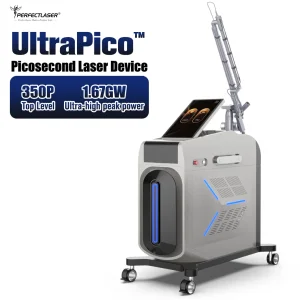
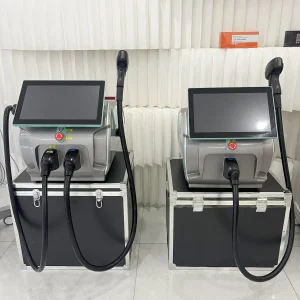
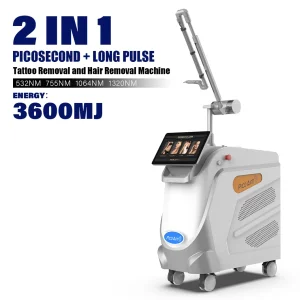
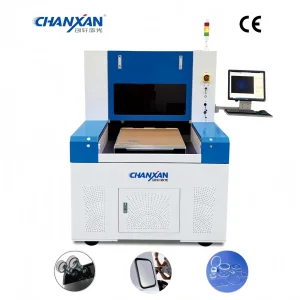
Explore our leading industrial glass cutting configurations and professional clinical aesthetics range.
An Industrial and Clinical Insight into Ultrashort Pulse Innovation
Picosecond laser technology represents a monumental shift in how light energy interacts with matter. By compressing laser energy into ultrashort pulses measured in trillionths of a second (10-12s), these systems bypass the traditional photothermal (heat-driven) interaction mechanism in favor of high-energy photoacoustic (mechanical-driven) processes. Across the globe, this technological leap is reshaping both high-precision manufacturing industries and medical-aesthetic domains.
In high-end manufacturing, picosecond lasers achieve "cold ablation." Because the pulse duration is shorter than the thermal relaxation time of almost all target materials, energy is deposited so quickly that the material vaporizes without transferring destructive heat to surrounding zones (no Heat Affected Zone, or HAZ). This makes picosecond devices indispensable for dicing semiconductors, drilling micro-holes in aerospace components, and micro-patterning flexible electronic components.
Within the aesthetic sector, clinical picosecond platforms have established a new gold standard. Operating primarily at wavelengths such as 1064nm, 532nm, and 755nm, these units generate intense photoacoustic shockwaves. Instead of overheating skin pigments (which often triggers post-inflammatory hyperpigmentation), they shatter stubborn ink particles and localized melanin into sand-like micro-particles that are easily cleared by the lymphatic system.
The global demand for picosecond systems is escalating due to two major market forces: the consumer electronics revolution requiring increasingly thinner, durable materials (such as tempered cover glasses and polyimide foils), and the worldwide expansion of aesthetic medicine clinics. North America and Europe continue to experience robust growth in high-end medical clinics demanding FDA and CE-cleared equipment. Simultaneously, the Asia-Pacific region, led by extensive consumer electronics supply chains and evolving aesthetic consumer markets, remains both the largest production engine and fastest-growing market sector for advanced laser integrations.
A Benchmark for Chinese Manufacturing Quality, Scalability, and Global R&D
Guangzhou EssSea Beauty Co., Ltd. was established in 2013 and is located in the manufacturing hub of Guangzhou, China. We are a high-tech enterprise dedicated to the research, development, production, and application of advanced beauty and aesthetic devices. Our product range includes non-invasive treatment equipment, optical technology beauty machines, and professional slimming systems designed to meet the strict regulatory and technological needs of modern aesthetic clinics and beauty centers worldwide.
As a leading OEM and ODM manufacturer in Guangzhou, Guangzhou EssSea Beauty Co., Ltd. operates over 2,000 square meters of modern factories and offices. We house a dedicated R&D team consisting of 6 to 8 elite optoelectronic experts. Our professional sales and localized support systems ensure prompt delivery times, reliable technical assistance, and structured after-sales programs. We prioritize relentless technological innovation, constantly refining laser cavity designs, optimizing energy delivery systems, and designing new cooling mechanisms to fulfill dynamic global requirements.
Guangzhou EssSea Beauty Co., Ltd. operates under core values of credibility, integrity, responsibility, innovation, openness, and collaboration. Customer satisfaction is our top priority, and we are committed to providing premium OEM and ODM services to domestic and international clients. By adhering to international quality systems, our products are successfully exported to the Americas, Europe, the Middle East, Africa, and Southeast Asia, building solid trust with distributors and medical clinics globally.
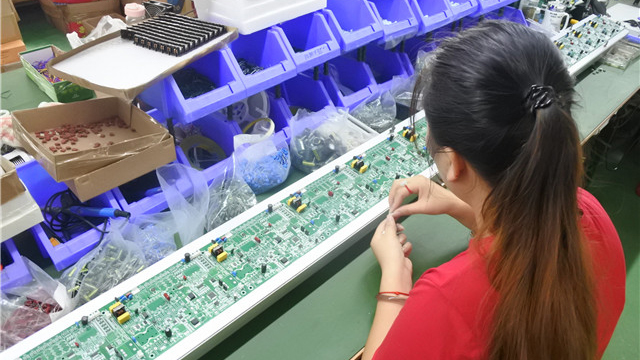
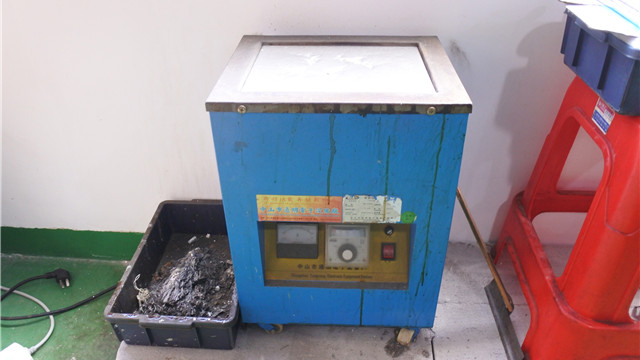
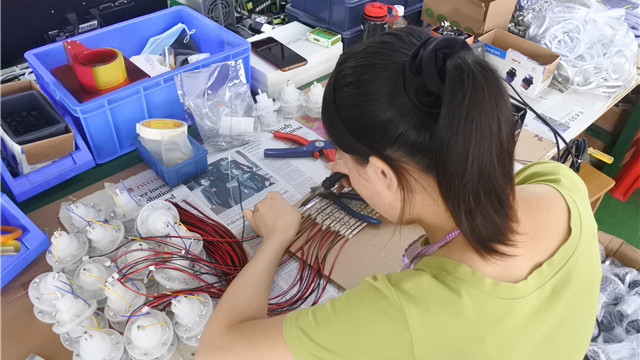
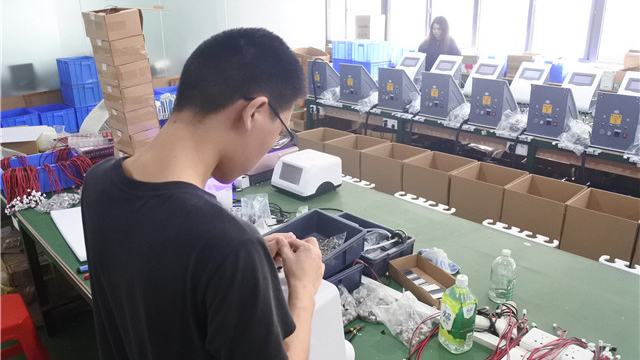
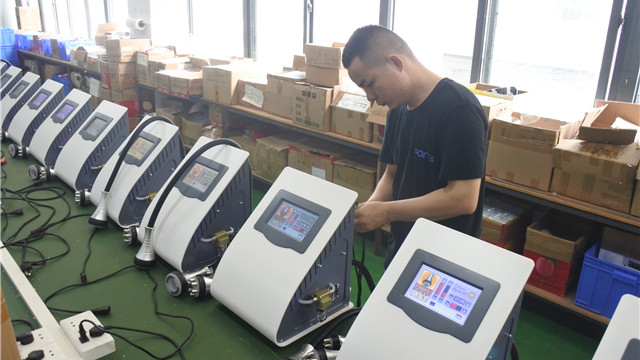
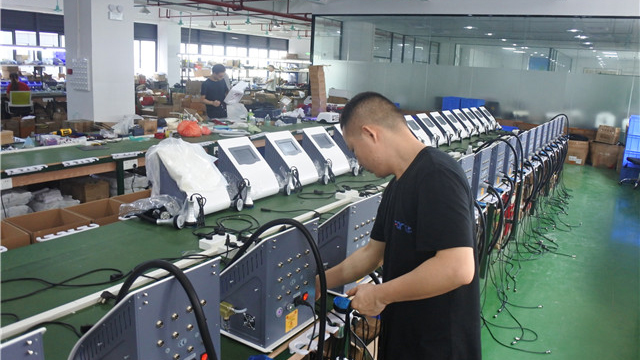
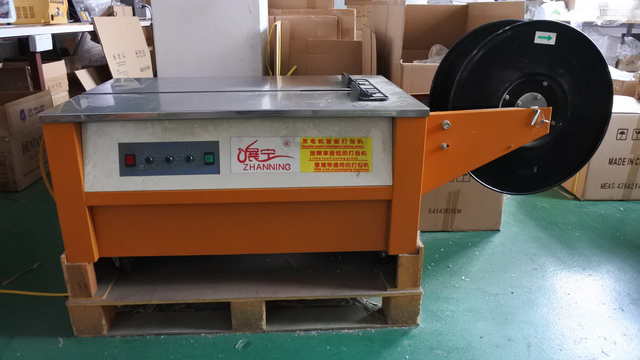
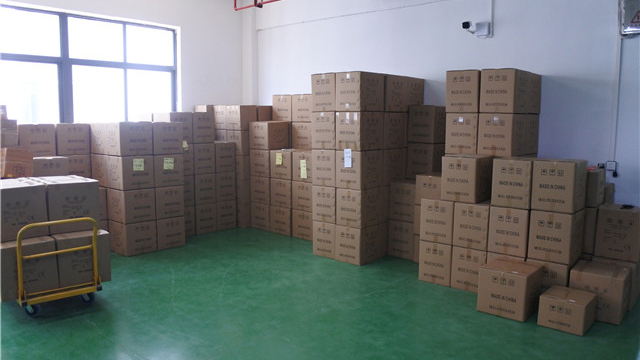
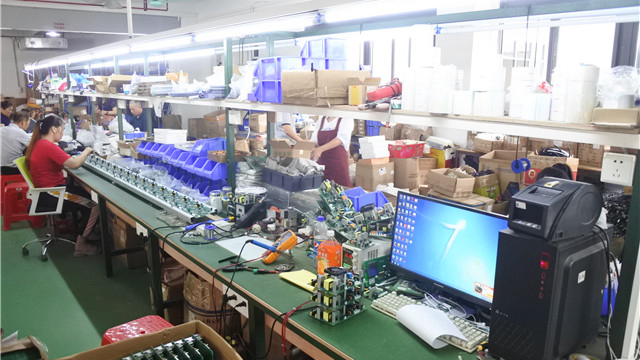
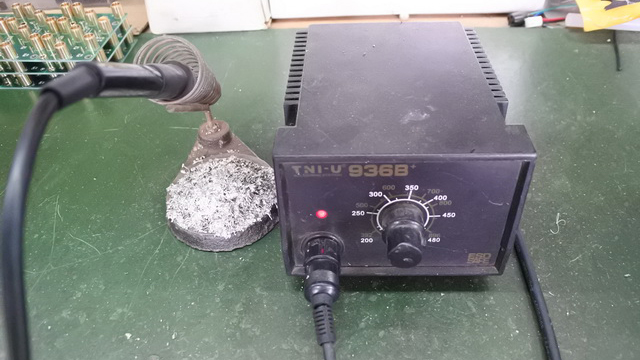
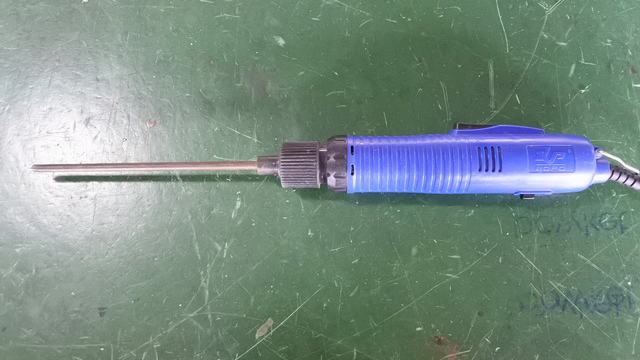
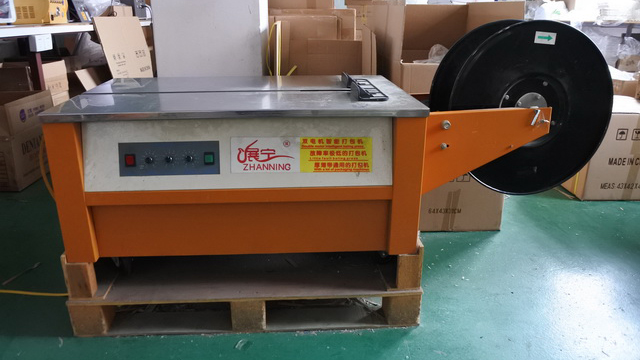
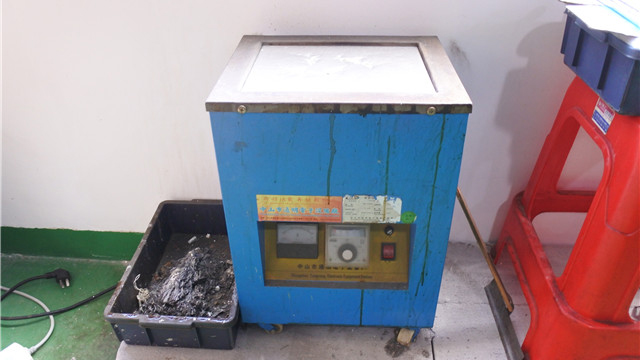
Our production line combines advanced machinery with strict quality verification stages, which are documented in our facility showcase below:
Analyzing precision cutting and target tissue laser interaction profiles
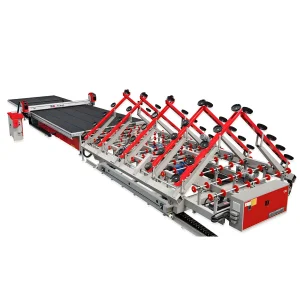
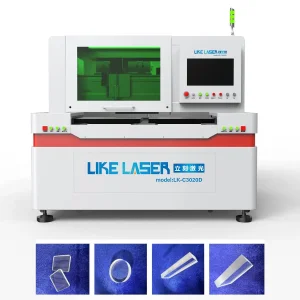
Traditional mechanical scoring of glass leads to micro-cracks, edge chipping, and uneven stress distribution. Our picosecond infrared cutting units use specialized optical modules to focus energy inside the glass substrate. Through a localized nonlinear absorption effect, the laser creates a controlled, microscopic stress layer without melting the surface. This is critical for automotive HUD panels, curved display glass, and mobile screen touch displays, eliminating the need for extensive post-cut polishing.
Microelectronic components such as Polyimide (PI) films, coverlay materials, and copper foil laminates require precise cuts. Nanosecond lasers often cause thermal warping along the cutting border. Picosecond pulses offer a high peak power that vaporizes molecules instantly. This allows manufacturers to cleanly separate circuits at the micron scale, protecting delicate circuitry underneath.
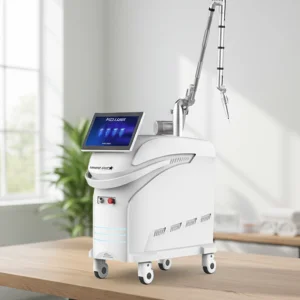
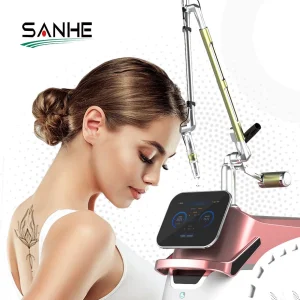
From an aesthetic perspective, tattoo pigments consist of metallic crystals and stable organic dyes embedded in the dermis. High-power picosecond systems utilize wavelengths like 1064nm and 532nm to address specific ink colors. The ultrashort pulse duration creates high photoacoustic pressure in the target tissue. Pigment aggregates fracture into smaller particles than those produced by nanosecond Q-switched lasers, resulting in faster clearance with fewer clinical treatment sessions.
The success of EssSea Beauty on the global stage is driven by Guangzhou's localized manufacturing ecosystem. We utilize localized supply chains for laser diodes, optical lenses, mechanical housings, and digital controllers. This geographic cluster shortens our R&D cycles, allowing us to rapidly iterate designs based on customer feedback. It also reduces raw material transportation costs and production delays. Consequently, international buyers benefit from high-precision, industrial-grade equipment at a lower total cost of ownership (TCO) compared to systems assembled entirely in Western Europe or North America.
Important factors for sourcing managers, distributors, and clinic owners
B2B procurement teams evaluating picosecond laser platforms must look beyond initial pricing. Key factors that directly impact long-term return on investment (ROI) include pulse stability, duty cycle longevity, maintenance requirements, and compliance with international standards.
Distributors in North America, Europe, and Asia-Pacific must prioritize certifications like CE, FDA clearances, and TGA approvals. Certified machinery ensures compliance with local import regulations and reassures end-users that the laser meets strict electrical safety, optical containment, and skin interaction standards.
Modern clinics and industrial distributors frequently require tailored features, such as custom UI software, multi-lingual operation screens, localized outer chassis styling, and specific wavelength pairings. A manufacturer with in-house R&D capabilities can easily implement these changes during the assembly phase.
A major trend in the industry is the integration of smart sensors and self-diagnostic software. These systems monitor real-time laser energy, optical alignment, and coolant flow rates, alerting operators before system errors occur to reduce unscheduled downtime.
Single-wavelength systems are increasingly being replaced by multi-wavelength configurations. In medical aesthetics, a combination of 1064nm (dermal pigment), 532nm (epidermal pigment), and 755nm (melanin targeting) within a single workstation allows clinics to offer a wider range of treatments. In industrial manufacturing, dual-wavelength systems combining CO2 and picosecond laser heads on a single gantry enable quick switching between cutting thick protective glass sheets and etching micro-patterns, improving workshop efficiency.
Expert insights on technical capabilities, clinical applications, and procurement workflows
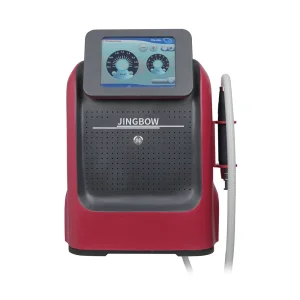
Industrial heavy-duty glass cutting units and professional aesthetic treatment systems.
 EssSea Beauty