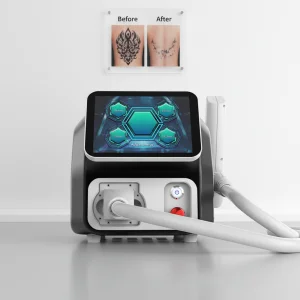
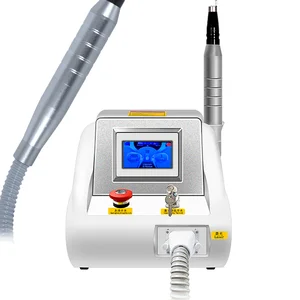
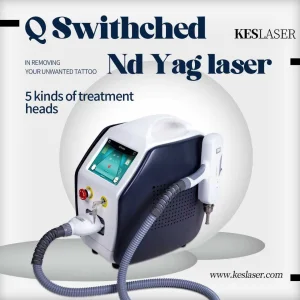
Explore our elite selection of high-power Q-Switched Nd Yag and Multi-wavelength laser machines engineered for clinics demanding peak energy stability and thermal longevity.
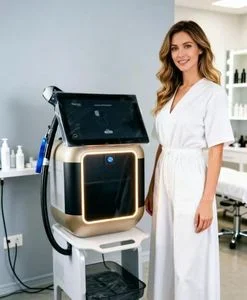
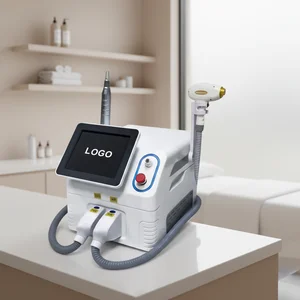
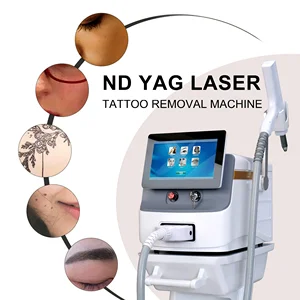
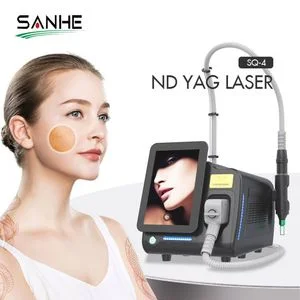
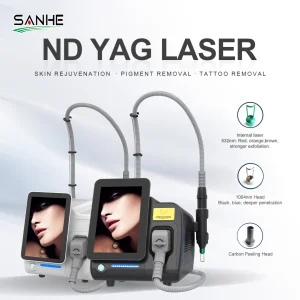
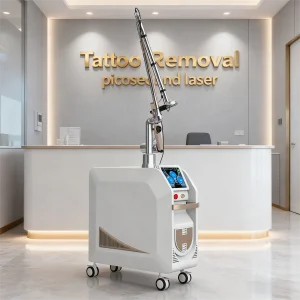
The Q-Switched Neodymium-doped Yttrium Aluminum Garnet (Nd:YAG) laser represents the gold standard of high-intensity, short-pulse duration light therapy. Operative within medical aesthetics, dermatology, and ophthalmic surgeries, this system utilizes a solid-state active laser medium consisting of an yttrium aluminum garnet crystal host (Y3Al5O12) doped with triply ionized neodymium (Nd3+) activator ions. This composition allows for the generation of coherent laser light primarily at a fundamental near-infrared wavelength of 1064nm, which can subsequently be frequency-doubled to yield a visible green light wavelength of 532nm via non-linear KTP (potassium titanyl phosphate) crystals.
The operational magic behind Q-switching is its ability to modulate the optical cavity's loss factor (known as the quality factor, or "Q"). In standard continuous-wave or free-running pulsed lasers, laser output occurs as soon as the optical gain exceeds the cavity threshold. Conversely, in a Q-switched laser, the "Q" factor of the optical resonator is kept low (high optical loss) during the initial phase of optical pumping. This prevents stimulated emission and allows the population inversion—the concentration of Nd3+ ions in the metastable 4F3/2 upper laser energy state—to accumulate to levels far exceeding the typical threshold. When the optical cavity is suddenly switched to a high-Q state (low loss), the stored population inversion is swept out almost instantaneously, releasing a giant laser pulse within nanoseconds (10-9 s) or picoseconds (10-12 s).
By executing pulses within this ultra-brief timeframe, Q-switched Nd:YAG lasers satisfy the physiological requirements of Selective Photothermolysis. The laser pulse duration is shorter than the Thermal Relaxation Time (TRT) of targeting chromophores—such as endogenous melanin granules or exogenous tattoo pigment particles. Consequently, the energy is deposited rapidly, generating rapid localized thermal expansion and subsequent acoustic shockwaves (photomechanical effect). This breaks down the pigment into sub-microscopic fragments that are easily cleared by the lymphatic system while protecting adjacent dermal-epidermal junctions from thermal necrosis.
Established in 2013, Guangzhou EssSea Beauty Co., Ltd. has grown to become a premier medical-aesthetic device manufacturer based in the high-tech industrial corridor of Guangzhou, China. Under strict adherence to national and international manufacturing directives, our facility extends over 2,000 square meters of specialized production lines, clean rooms, and quality control laboratories. With a dedicated workforce exceeding 50 professionals, we house an internal R&D core composed of 6 to 8 optical engineers, hardware programmers, and clinical validation specialists.
Our core manufacturing capabilities are optimized for both Original Equipment Manufacturing (OEM) and Original Design Manufacturing (ODM). This vertical integration ensures we maintain absolute control over every stage of assembly, resulting in robust machines that exhibit exceptional duty cycles and long operational lifespans. Our production process spans several key milestones:
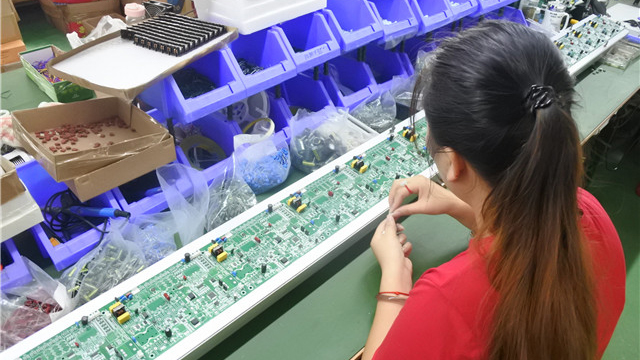
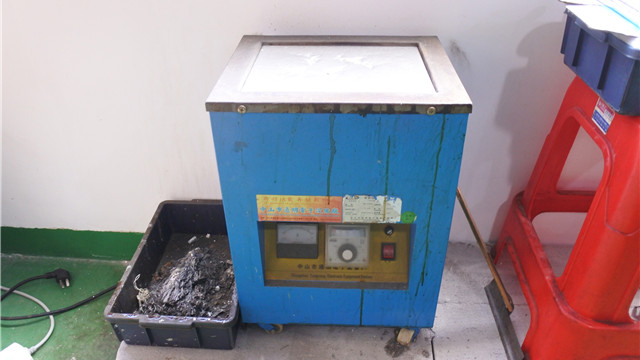
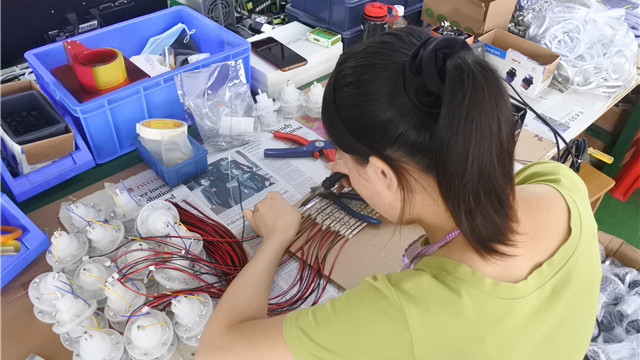
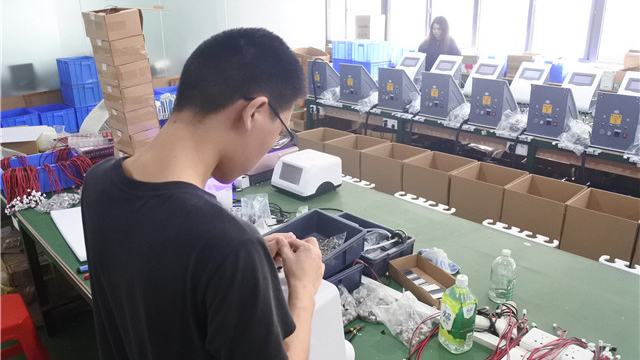
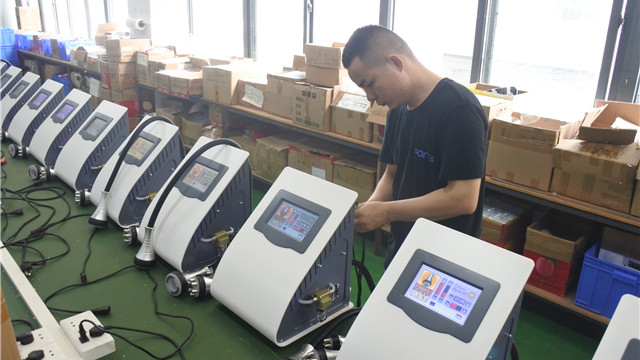
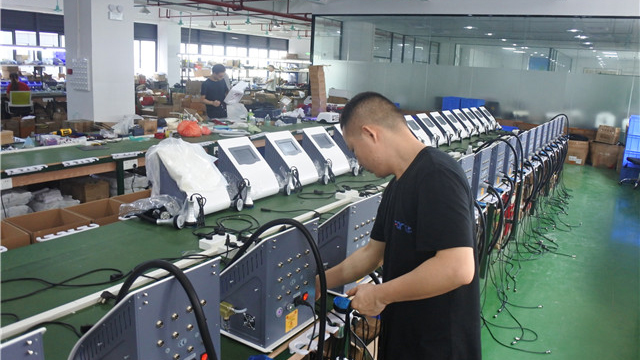
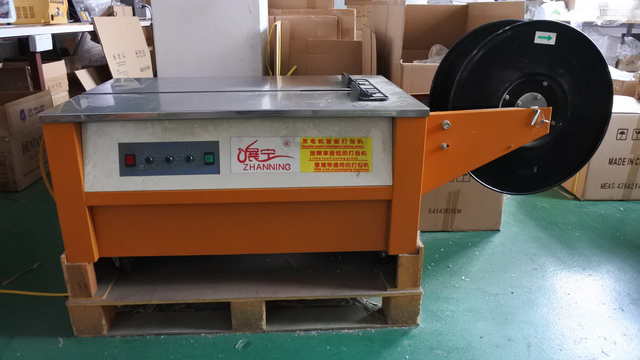
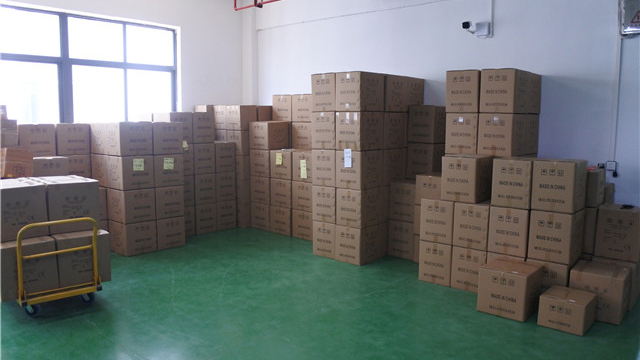
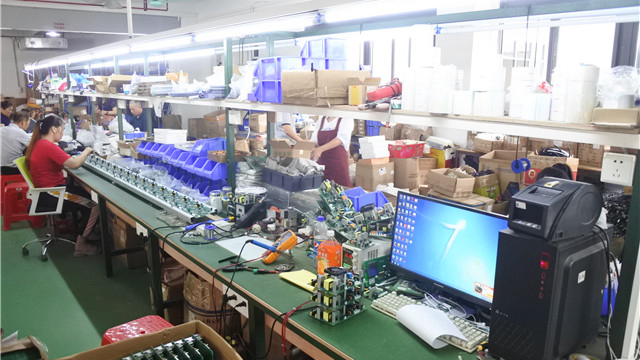
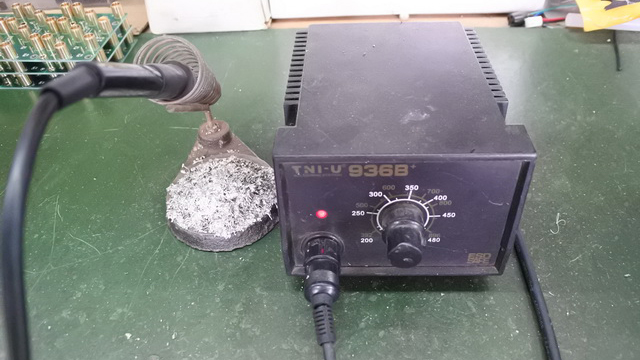
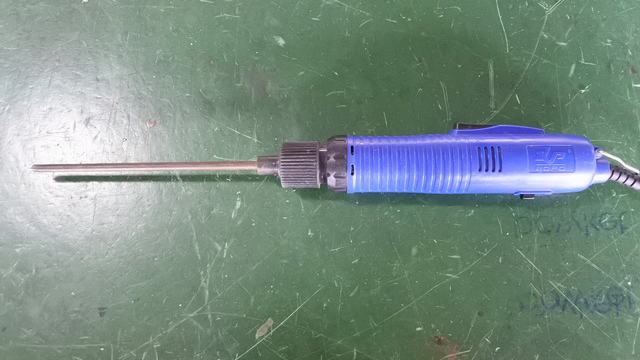
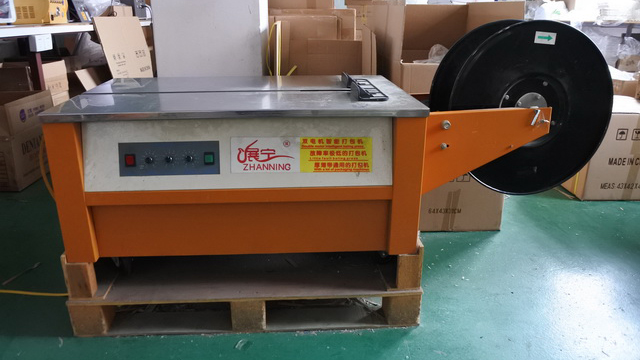
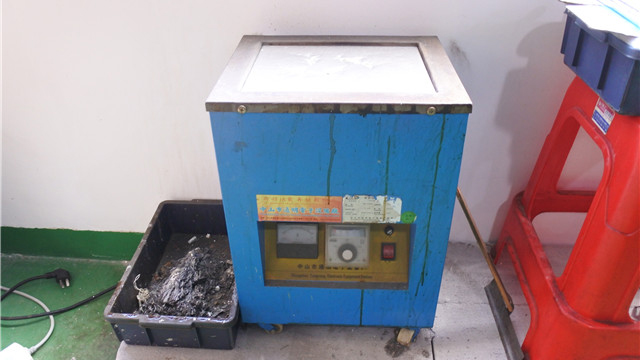
"Our industrial capabilities empower us to offer reliable aesthetic hardware solutions worldwide. By integrating rigorous in-line testing, such as optical power fluctuations checking, high-voltage load testing, and continuous thermal testing, we ensure that every machine sent to our clinical clients is stable and safe."
Sourcing laser technology from Guangzhou, China, delivers major cost and technology benefits for global healthcare providers, distributors, and franchise clinics. The Guangzhou region serves as a prominent electronics, industrial design, and optoelectronic manufacturing hub, which allows us to streamline our supply chains, optimize our manufacturing steps, and pass on cost savings directly to our partners.
The manufacturing ecosystem in Southern China allows us to leverage highly specialized tier-one suppliers for auxiliary components, while maintaining in-house assembly of critical optical components. For instance, the heavy-duty sheet metal chassis, custom injection-molded plastics, and low-voltage electrical circuitry are sourced locally under strict quality oversight. Meanwhile, the optical core of our Q-Switched Nd Yag laser uses high-precision materials, including German Heraeus xenon lamps and US-grown Nd:YAG rods. This blend of global components and local manufacturing allows us to offer clinical-grade aesthetic systems at a fraction of Western production costs.
Our localized supply chain ensures we maintain a steady stock of spare parts, from laser cavities to handpiece shells. This helps resolve one of the largest challenges in aesthetic machinery procurement: long lead times for repair components. As a direct manufacturer, Guangzhou EssSea Beauty Co., Ltd. guarantees rapid dispatch of critical parts (e.g., replacement flashlamps, flow switches, protective windows), minimizing clinical downtime for practitioners in the Americas, Europe, and Asia-Pacific markets.
For international buyers of professional medical aesthetic devices, compliance with local medical authorities is essential. When distributing or operating laser equipment, compliance is vital to avoid customs seizure, lawsuits, or clinical injuries. Recognizing this requirement, EssSea Beauty ensures our manufacturing and design protocols align with international regulatory frameworks.
Our factory processes conform to the ISO 13485 medical devices quality management system. The Q-Switched Nd:YAG series is designed to comply with electrical safety standards (such as IEC 60601-1 and IEC 60601-2-22), ensuring protection against electromagnetic interference and high-voltage discharges. Additionally, our machines feature real-time calibration systems. These systems monitor parameters like cooling water flow rates, temperature variations, and optical pulse energy. If the system detects any operational deviations, it will automatically shut down to ensure safety.
Operating a Q-Switched laser across diverse skin phototypes (Fitzpatrick scale I-VI) requires a detailed understanding of how different wavelengths interact with tissues. The Nd:YAG laser's ability to switch between 1064nm and 532nm wavelengths allows clinics to treat various indications with a single system.
The **1064nm wavelength** targets deep pigment in the dermis. Because it has lower absorption in epidermal melanin compared to shorter wavelengths, it penetrates deeper, making it safer for darker skin types. It is widely used to treat dermal melanocytosis, Nevus of Ota, and for removing dark tattoo inks (black, dark blue, brown). Additionally, it is used for the "Carbon Peel" (Hollywood Laser Peel), where a thin layer of carbon paste is applied to the face. The laser vaporizes this carbon, clearing dead skin cells and tightening pores.
Conversely, the **532nm wavelength** is highly absorbed by melanin and oxyhemoglobin, making it ideal for treating superficial epidermal lesions. This includes sun spots, café-au-lait spots, and red or orange tattoo inks. However, due to its high absorption in melanin, practitioners must carefully calibrate energy settings to prevent hyperpigmentation or hypopigmentation in Fitzpatrick skin types IV through VI.
When procurement managers purchase Q-Switched Nd:YAG laser machines directly from Chinese suppliers, looking only at the price is a common pitfall. To ensure clinical efficacy and safety, you should carefully review the technical specifications. Use this checklist as a reference during your procurement process:
Expert answers to key technical questions about imports, technical setups, and clinical operations.
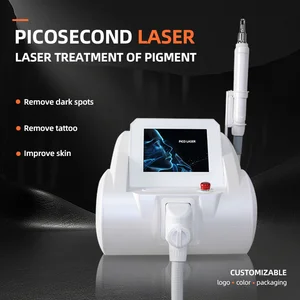
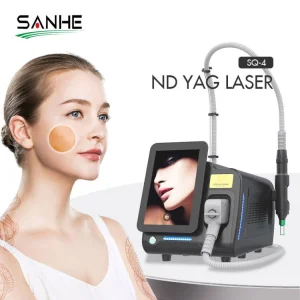
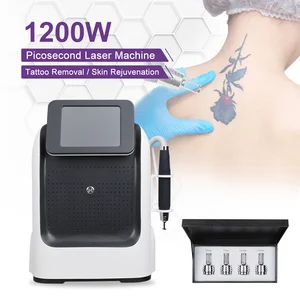
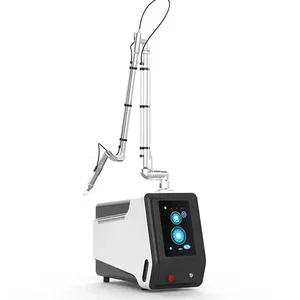
Review additional portable models, multi-probe configurations, and specialized tattoo removal accessories from EssSea Beauty.
 EssSea Beauty