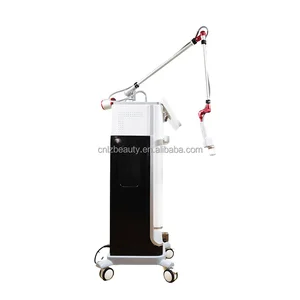
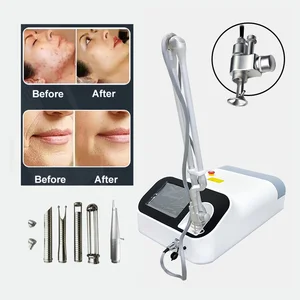
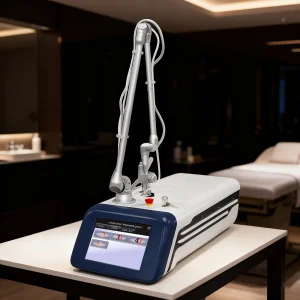
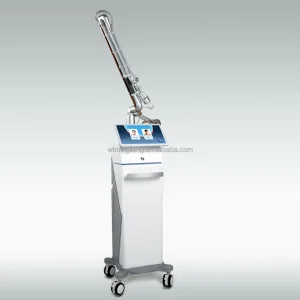
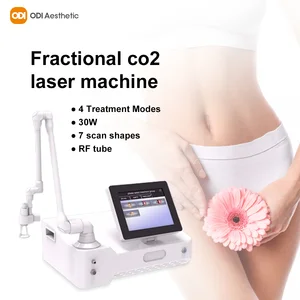
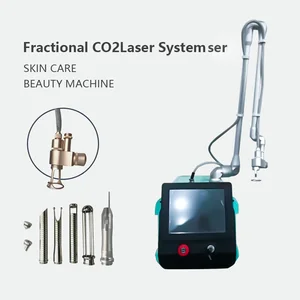
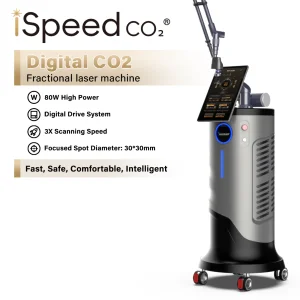
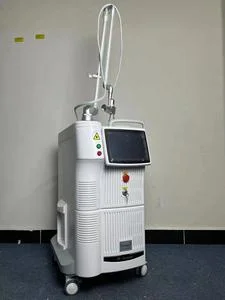
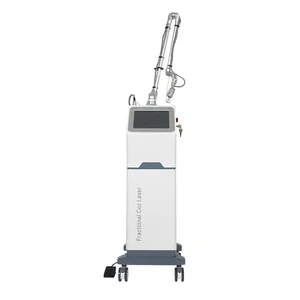
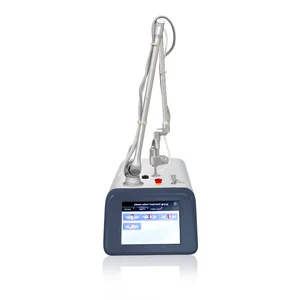
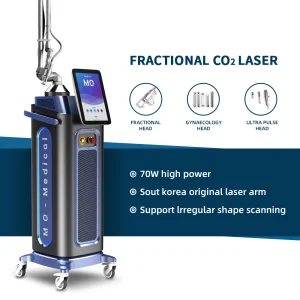
CO2 Fractional Laser Device Manufacturers & Suppliers

Empowering Global Medical Aesthetic Practices with High-Energy 10600nm Carbon Dioxide Fractional Laser Technologies, Custom OEM/ODM Capabilities, and Strict Regulatory Compliance.

The Science & Market Evolution of 10600nm CO2 Fractional Lasers

A comprehensive analysis of how carbon dioxide laser technology is redefining reconstructive dermatology, tissue remodeling, and non-surgical aesthetics.

Core Mechanism

Understanding Photothermal Ablation

The 10600nm wavelength emitted by CO2 fractional laser systems is highly absorbed by intracellular water. When pulsed onto the skin, the laser beam is divided into thousands of microscopic treatment zones (MTZs). This induces rapid vaporization of targeted epidermal layers while preserving surrounding healthy tissue, stimulating robust neocollagenesis and elastin remodeling.

Excitation Sources

RF Metal Tubes vs. Glass DC Tubes

Medical-grade CO2 devices rely on two primary technologies. RF-excited metal tubes offer exceptional pulse frequency, a smaller spot size, and a lifespan exceeding 20,000 operational hours. Glass DC tubes serve as cost-effective alternatives with slightly longer pulse durations, popular for clinic startups looking for accelerated ROI without sacrificing peak power.

Modern Advancements

Pulse Profile Modulation

Traditional continuous wave systems posed high risks of thermal damage. Modern designs incorporate UltraPulse, SuperPulse, and SmartPulse configurations. These modes deliver high-energy peaks in fractional micro-seconds, ensuring the thermal relaxation time of the skin is respected, vastly reducing the incidence of post-inflammatory hyperpigmentation (PIH).

Global Clinical Procurement Demands

Key technical benchmarks and operational metrics that medical device distributors, aesthetic groups, and hospital buyers evaluate during vendor selection.

Procurement Parameter Clinic/Distributor Technical Standard EssSea Manufacturing Capability Value Benefit / Clinical Advantage
Laser Wave Length Stable 10600 nm infrared spectrum Certified 10600 nm output with < 5% variance Optimal water absorption for consistent thermal zones
Output Energy (mJ) Range of 1 mJ to 200+ mJ per micro-beam Configurable up to 300 mJ with precision attenuation Enables shallow micro-peels as well as deep scar revision
Beam Spot Diameter Minimum spot size ≤ 0.12 mm for deep penetration High precision collimators achieving down to 0.10 mm Enhanced dermal depth index with reduced lateral heat dispersion
Scanning Patterns Circle, Square, Triangle, Hexagon, Oval, Line 7 standard shapes with randomized fractional firing Avoids heat accumulation in local tissue; minimizes pain
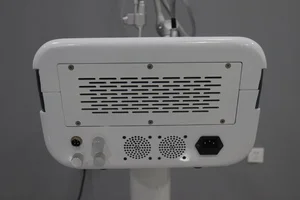
Cooling Integration Continuous skin protective airflow Integrated active air-cooling and thermoelectric cooling Protects the epidermis, extending continuous runtime for high-volume clinics

Clinical Applications & Macro Solutions

A multi-disciplinary approach to aesthetic pathology treatments using high-performance 10600nm fractional carbon dioxide systems.

Dermatology & Skin Resurfacing

Designed for severe photo-aged skin, rhytids, and deep wrinkles. The micro-fractional matrix stimulates deep collagen synthesis, transforming the structural integrity of the extracellular matrix over a 3-6 month post-treatment period.

Advanced Scar Revision

Treats hypertrophic scars, acne indentations (boxcar, rolling, ice-pick), and striae distensae (stretch marks). The high energy density disrupts fibrotic scar bands and initiates healthy tissue deposition.

Gynecological Tissue Remodeling

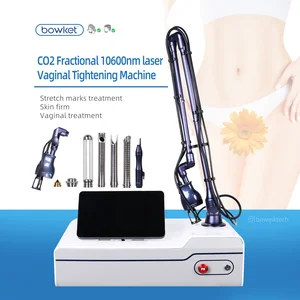
Utilizing specialized 360-degree cylindrical scanning handpieces, the system is used globally for vaginal canal revitalization, improving elasticity, combating dryness, and addressing mild stress urinary incontinence (SUI).

Since 2013

Guangzhou EssSea Beauty Co., Ltd.

Located in the heart of Guangzhou, China, we are a leading high-tech enterprise dedicated to the research, development, production, and global supply of advanced aesthetic systems. Spanning a state-of-the-art facility of over 2,000 square meters, we manufacture high-performance non-invasive and micro-invasive laser technologies.

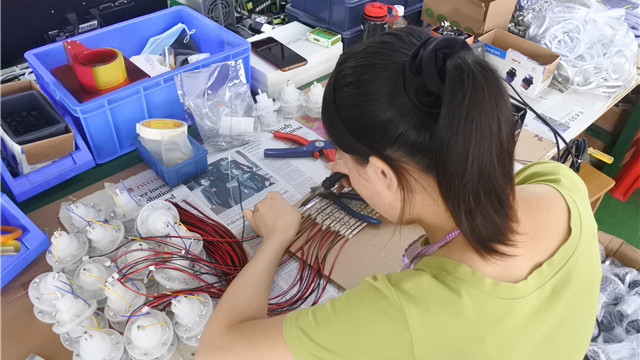
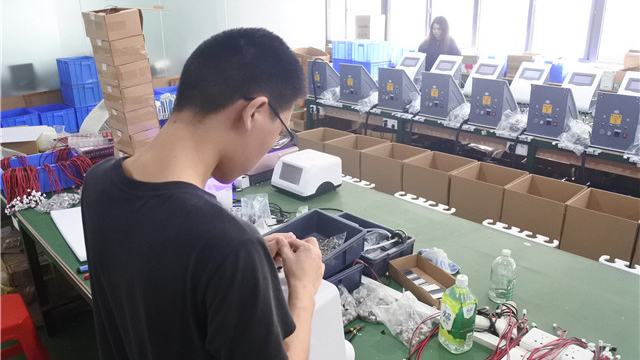
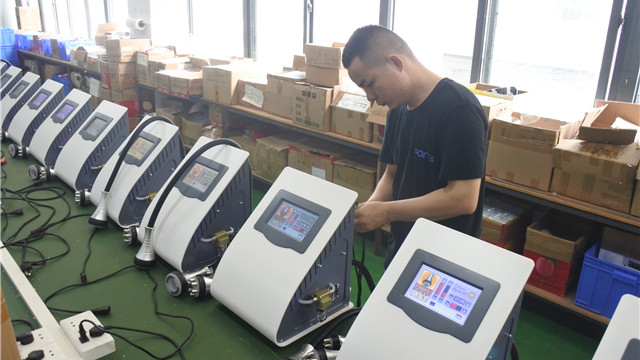
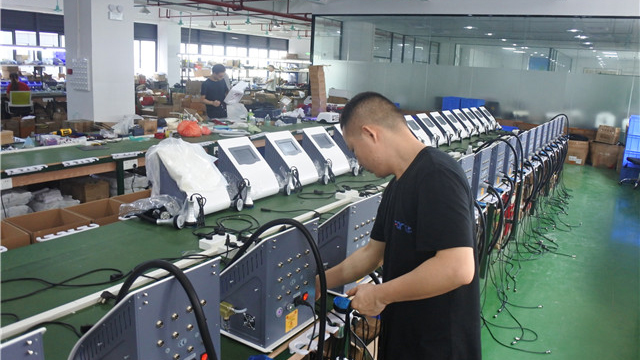
Our dedicated R&D center is run by senior electrical engineers and optical experts who consistently advance product designs. Backed by strict quality control standards, our efficient manufacturing assembly lines ensure every unit delivered meets global clinical expectations.

OEM/ODM Customization
Full Compliance Testing
ISO 13485 Standards
Global Logistics Support
10+ Years R&D
50+ Global Markets
2,000㎡ Factory Area

Comprehensive Product Range

Guangzhou EssSea Beauty Co., Ltd. continuously innovates to meet diverse market demands. Our specialization includes:

  • ND Yag Laser Machines: High-peak power systems for tattoo removal and pigmentation therapy.
  • Diode Laser Hair Removal Machines: Multi-wavelength systems (755nm, 808nm, 1064nm) for all skin types.
  • Body Slimming Machines: Cavitation, Cryolipolysis, and High-Intensity Electromagnetic muscle stimulators.
  • Hydra Skin Rejuvenation Systems: Multi-step facial deep cleansing and chemical infusion devices.
  • IPL & E-light Hair Removal Devices: Broad-spectrum intense pulsed light platforms.
  • RF Fractional Beauty Machines: Micro-needling radiofrequency systems for non-ablative lifting.
  • Oxygen Multifunctional Skin & Wrinkle Removal Machines: Hyperbaric oxygen infusion skincare technologies.

Inside Our Production and Assembly Line

A transparent look into the steps, quality control loops, and specialized equipment used to produce EssSea systems.
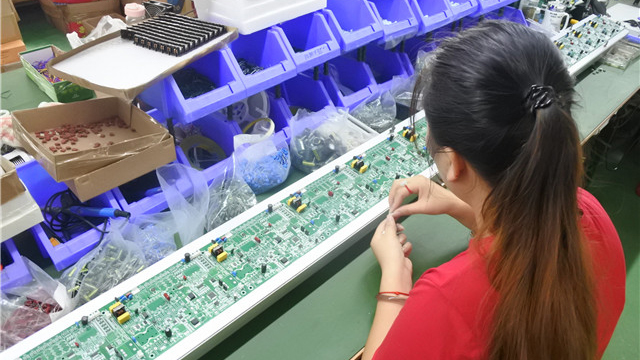
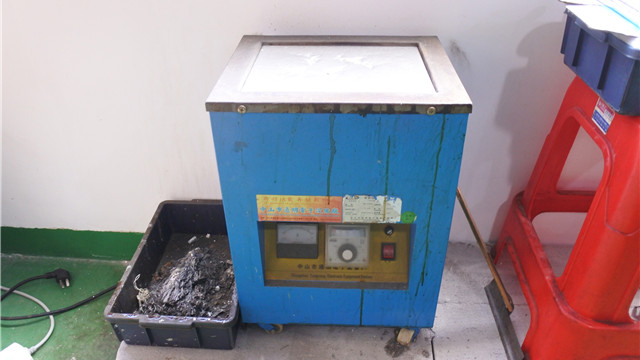
Plug-in Line
Plug-in Component Assembly
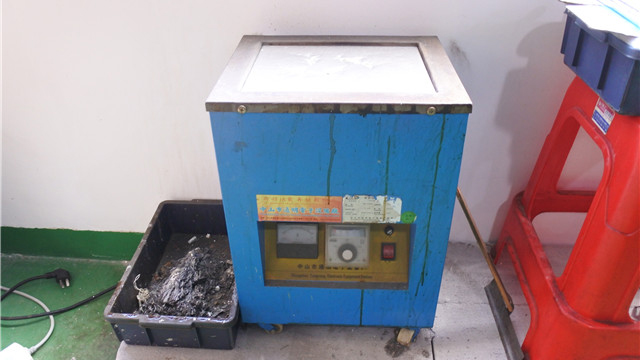
Tin Immersion Process
Tin Immersion Circuit Tinning
Precision Welding
Precision System Welding
Chassis Assembly
Mainframe Assembly
Calibration and Testing
Laser Calibration & Testing
Pre-shipment Inspection
Strict Quality Inspection
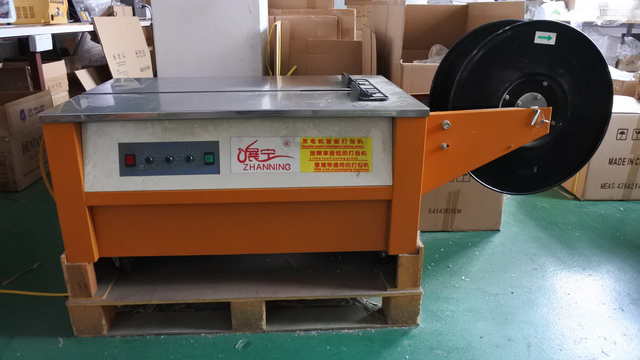
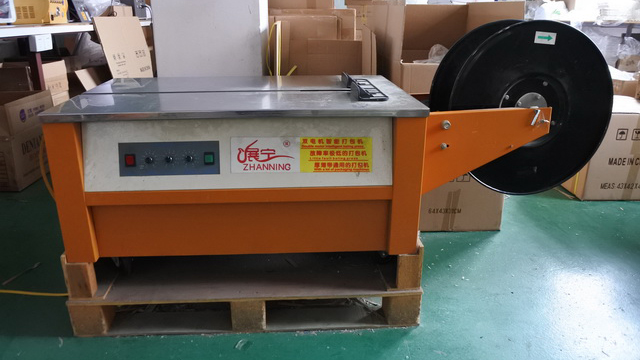
Safe Packaging Process
Heavy-Duty Export Packing
Finished Product Display
Finished Aesthetic Systems
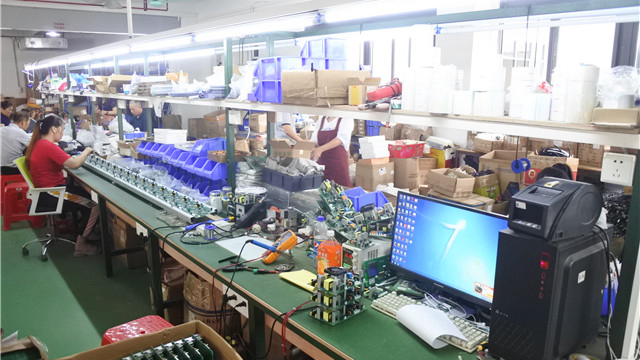
Assembly Line Flow
Continuous Production Flow
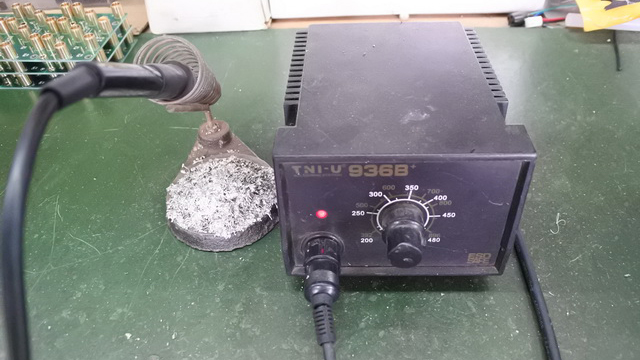
High Energy Welding Machine
High-Energy Welding Stations
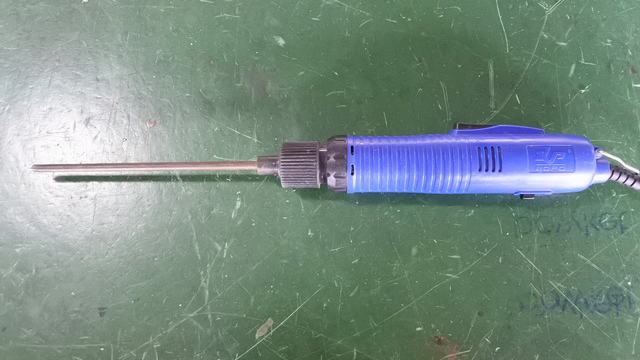
Precision Screwing tools
Torque-controlled Assembling
Vacuum Packaging Equipment
Industrial Vacuum Packaging
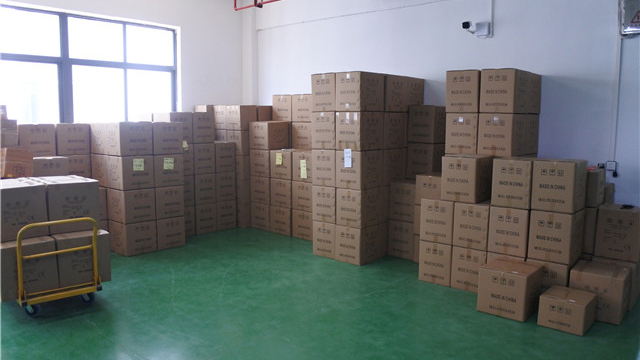
Factory logistics bay
Logistics Distribution Hub

Technology Roadmap & Future Outlook

Strategic directions in optical engineering and clinical applications mapped out for the next decade.

2025

AI-Assisted Micro-scanning

Deployment of integrated vision sensors that assess local skin moisture and melanin levels in real-time, instantly adjusting laser pulse energy to prevent post-treatment pigmentation.

2027

Hybrid Multi-Wavelength Platforms

Integration of 10600nm (CO2) and 1540nm (erbium glass) lasers within a single optical arm, facilitating simultaneous ablative skin resurfacing and deep, non-ablative thermal remodeling.

2029

Compact Solid-State CO2 Technologies

Transition from gas and RF-excited source mediums to lightweight, maintenance-free solid-state laser modules, reducing device footprints by up to 45% while preserving clinical output parameters.

Localized Support & Compliance Standards

How we help medical aesthetic practices and distributors navigate regulatory hurdles and keep clinical operations running smoothly.

International Certifications

Our manufacturing facility and medical systems conform to top-tier international frameworks, ensuring streamlined custom clearance and compliance:

  • Medical CE (MDR Compliance Paths): Facilitating access to European clinics.
  • ISO 13485: Operating under rigorous Medical Device Quality Management systems.
  • RoHS & LVD: Guaranteed electrical safety and environmental material compliance.

Global Technical Support

We believe service does not end at device delivery. Our post-sale support framework offers:

  • 24-Hour Remote Diagnostic Support: Real-time software troubleshooting and configuration assistance.
  • Field Service Networks: Localized maintenance partners in key regional hubs.
  • Modular Spare Parts Delivery: Minimal downtime through direct express shipment of replacement optical guides and handpieces.

Clinical Training & Marketing Support

Our client growth strategies include tools designed to help clinical practices succeed:

  • Video Demonstration Libraries: Step-by-step guidance on parameter setup for different skin phototypes.
  • Patient Consent & Marketing Templates: Ready-to-use informational material to help onboard clinic patients.
  • On-Site Clinical Seminars: Periodic clinical workshops hosted by our international advisory board.

Clinical & Commercial FAQ

Answers to technical, regulatory, and purchasing questions from clinical directors and global aesthetic equipment distributors.

Q1: What are the primary differences between CO2 lasers and Erbium YAG (2940nm) lasers?
CO2 lasers (10600nm) are highly absorbed by water, providing deep thermal heating that is ideal for collagen contraction, deep rhytids, and acne scars. Erbium YAG lasers (2940nm) exhibit a higher affinity for water, causing quick ablation with minimal residual heat. CO2 lasers are generally preferred for dramatic clinical results in a single session, while Erbium systems require multiple treatments but carry shorter downtimes.
Q2: How does the randomized fractional scanning function reduce patient discomfort?
Our systems utilize advanced scanning algorithms that distribute the laser energy non-sequentially across the target grid. Unlike linear firing patterns that pool heat in adjacent areas, randomized firing allows the tissue surrounding each micro-beam to cool during the process. This dramatically reduces pain and decreases the risk of post-inflammatory hyperpigmentation (PIH).
Q3: What are the benefits of integrating vaginal tightening probes in CO2 laser platforms?
Equipping a clinical CO2 laser platform with 360-degree cylindrical and 90-degree directional vaginal probes expands the clinic's service portfolio to include non-surgical vaginal rejuvenation, dryness mitigation, and stress urinary incontinence (SUI) therapy. This dual-use capability dramatically improves clinic ROI and increases patient retention.
Q4: What parameters can be customized under Guangzhou EssSea Beauty's OEM/ODM service?
We offer comprehensive design control to our partners. This includes custom casing/chassis designs, custom color schemes, custom UI/software setups, software language localization, custom laser source outputs (30W, 40W, 60W), and integrated handpiece accessories.
Q5: What is the typical recovery period (downtime) for a patient after a CO2 fractional treatment?
Typical recovery times range from 5 to 7 days, depending on the energy settings used (mJ) and the spot density. For the first 48 hours, patients experience mild erythema and edema, followed by micro-crusting. Using SuperPulse modes minimizes thermal damage, facilitating a faster recovery compared to older continuous-wave systems.
Q6: How long do RF metal laser tubes last compared to glass DC tubes?
RF-excited metal tubes are hermetically sealed and typically last 20,000+ operational hours before requiring a gas refill. Glass DC tubes are cost-effective alternatives but have shorter lifetimes (around 5,000 to 8,000 hours) and larger focal spot sizes due to different discharge mechanics.
Q7: How does EssSea guarantee safe shipping for delicate optics?
We use custom flight cases lined with high-density foam to absorb shock during transit. Every optical articulating arm is dismounted, secured in separate protective sleeves, and vacuum-sealed to prevent moisture damage during ocean and air freight.
All CO2 Fractional Laser Device Products