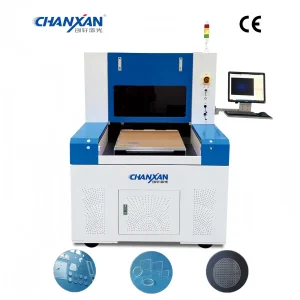
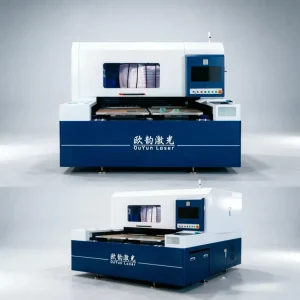
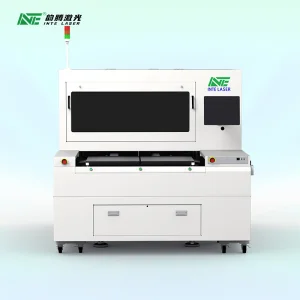
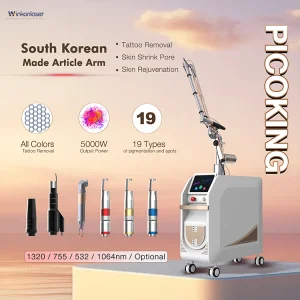
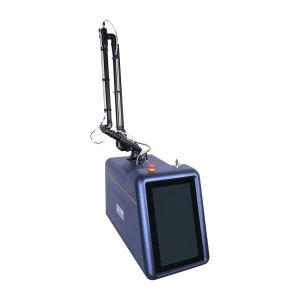
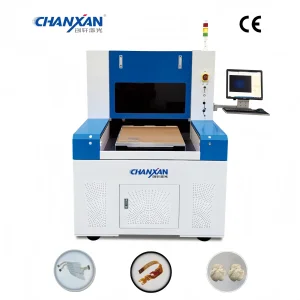
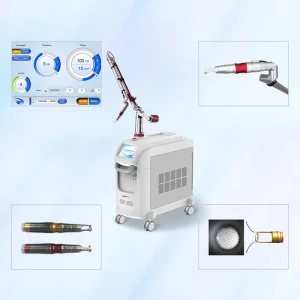
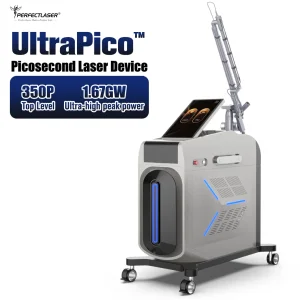
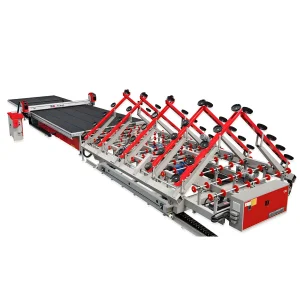
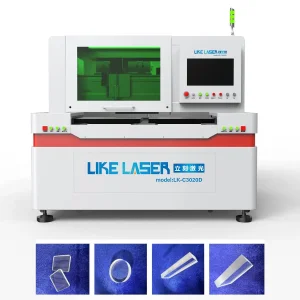
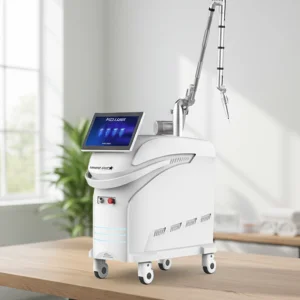
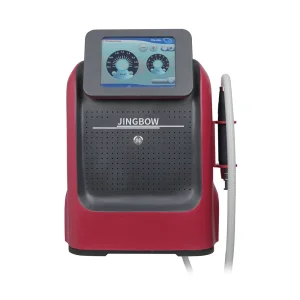
Select industrial glass cutters and high-power aesthetic workstations engineered to Southern California's compliance and operational standards.
Los Angeles represents a unique convergence zone for both world-class medical aesthetics and highly specialized aerospace, semiconductor, and automotive manufacturing. From the premier dermatology centers in Beverly Hills, Santa Monica, and Pasadena to the advanced industrial micro-machining corridors of Silicon Beach, El Segundo, and Torrance, the demand for state-of-the-art picosecond laser machines has reached unprecedented heights. In the aesthetic sector, clinics deal with diverse, cosmopolitan patient demographics requiring safe, multi-wavelength lasers capable of clearing recalcitrant ink and epidermal lesions across all Fitzpatrick skin types. Concurrently, local high-tech manufacturers depend on ultra-short pulse lasers to profile brittle glass, semiconductor substrates, and PI films without imparting destructive thermal stresses.
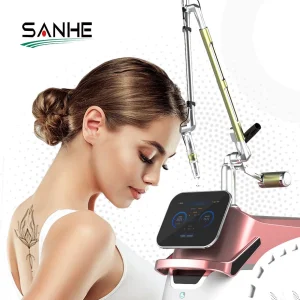
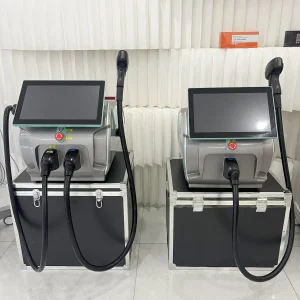
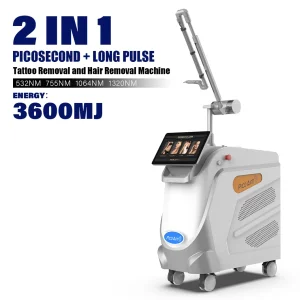
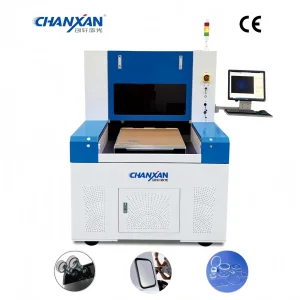
Within Southern California, picosecond technology is integrated across two primary sectors:
The primary advantage of picosecond lasers over legacy nanosecond machines lies in the mechanics of energy delivery. While nanosecond systems rely on photothermal action (heating target particles until they expand and break, which poses a risk of thermal transfer to surrounding tissue or micro-cracking in glass substrates), picosecond lasers operate via photoacoustic disruption. By condensing energy into picosecond pulses, peak power increases exponentially, generating mechanical stress waves that shatter target pigments or molecular bonds instantly without localized thermal build-up.
| Parameters / Performance | Nanosecond Laser (Q-Switched) | Picosecond Laser (PicoTech) | Target Industrial & Clinical Benefit |
|---|---|---|---|
| Pulse Duration | 5 - 20 Nanoseconds ($10^{-9}$s) | 350 - 750 Picoseconds ($10^{-12}$s) | Reduced thermal damage, lower risk of PIH / micro-fractures |
| Energy Interaction | Photothermal (Heat-driven) | Photoacoustic (Pressure-driven) | Cleaner cuts in electronics; faster clearance of tattoo inks |
| Heat Affected Zone (HAZ) | Moderate to High (Requires post-polish) | Negligible (Zero post-processing needed) | Sub-micron edge quality on mobile/automotive glass |
| Epidermal Recovery Time | 7 - 14 Days | 24 - 48 Hours | Higher patient throughput and safety profile for Beverly Hills clinics |
How Guangzhou EssSea Beauty Co., Ltd. delivers global-standard aesthetic and industrial platforms through optimized vertical integration.
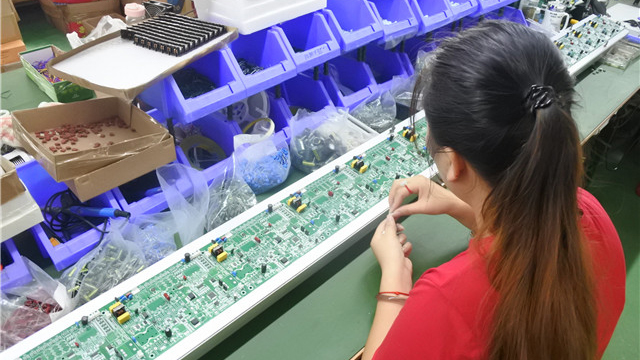
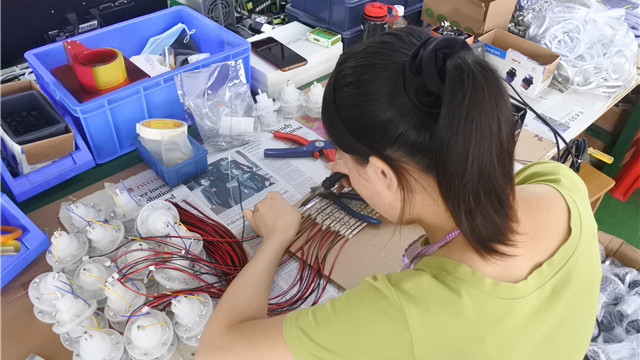
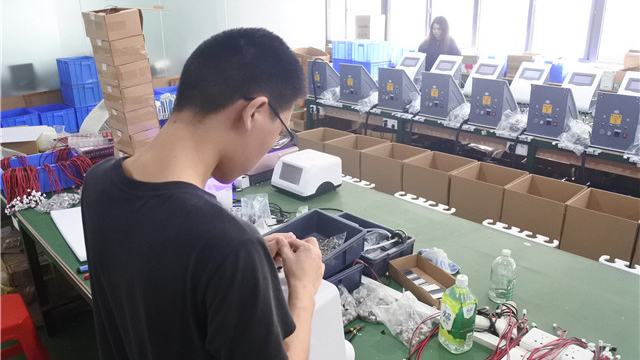
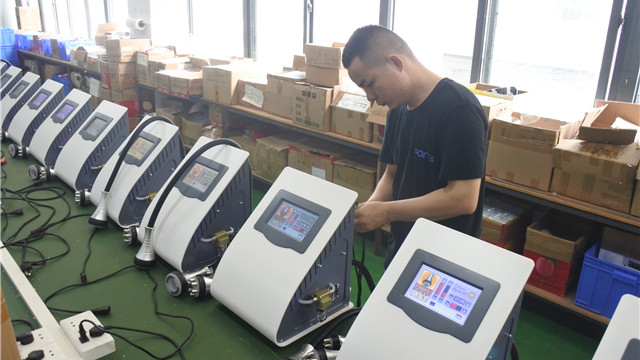
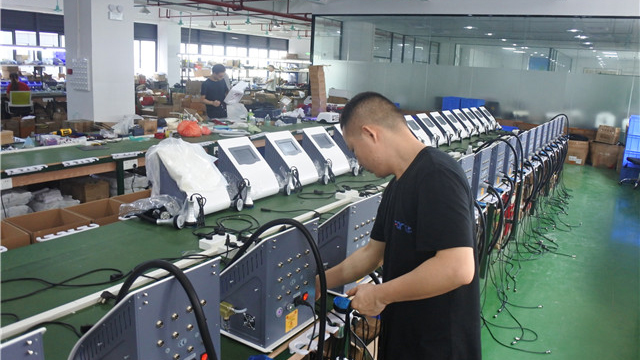
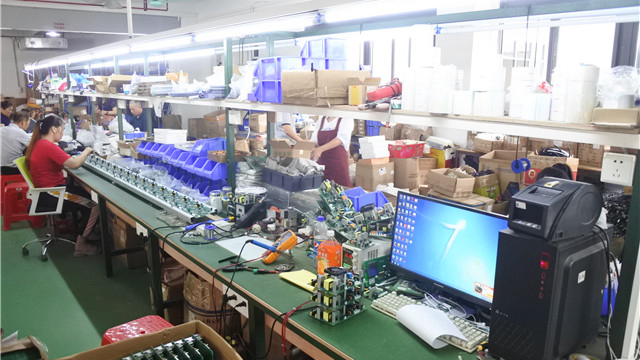
For distributors and enterprise buyers in Los Angeles, sourcing laser machinery involves navigating balancing acts between technical specs, compliance, and acquisition costs. As a premier manufacturer established in 2013 in Guangzhou, China, Guangzhou EssSea Beauty Co., Ltd. offers a robust alternative to high-markup domestic distributors. Operating a modern facility of over 2,000 square meters and staffing dedicated engineering teams, we leverage the unparalleled industrial ecosystem of the Pearl River Delta. This allows us to source premium materials—such as high-grade aerospace cooling pumps, durable German laser rods, and precision optical lenses—at competitive rates, passing the economic and qualitative benefits directly to our clients in California.
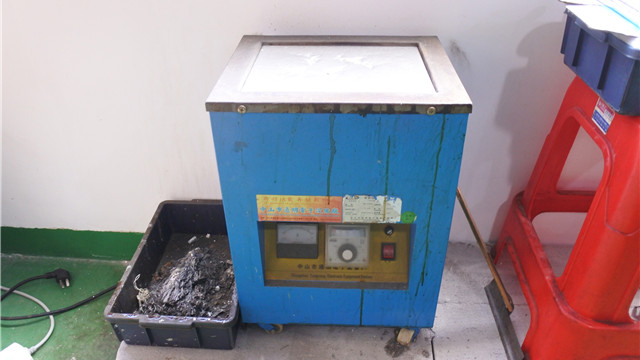
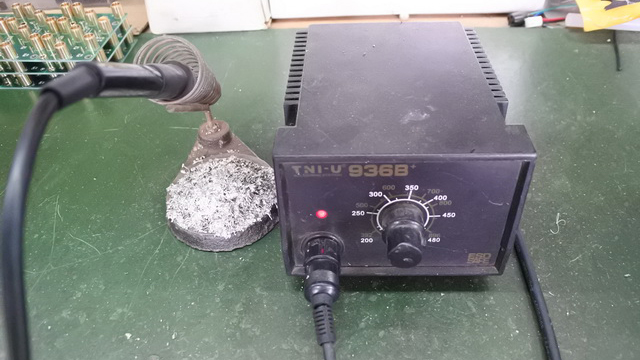
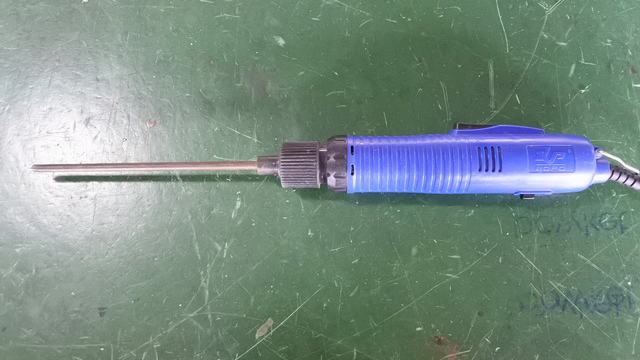
Our OEM/ODM capabilities enable us to tailor configurations according to specific clinic requirements or industrial floor plans. Every piece of equipment undergoes a rigorous production protocol, including multi-stage stress tests, high-voltage safety trials, and precise optical alignment checks, ensuring reliable operation upon arrival at the Port of Los Angeles.
Operating laser machinery in the state of California requires adherence to stringent state and federal regulations. The FDA (Food and Drug Administration) governs the clearance of medical and aesthetic lasers under 21 CFR Part 1040, while the California Department of Public Health (CDPH) and local Laser Safety Officers (LSOs) monitor facility installations. Our products offer various regulatory compliance pathways (including CE, FDA OEM assistance, and TGA approvals) to align with these guidelines.
To support our clients in Southern California, we provide comprehensive technical assistance, covering:
Explore our full line of industrial processors and multi-wavelength clinical workstations designed for high-performance operations.
Essential questions answered for procurement managers, medical directors, and manufacturing engineers in Southern California.
Older nanosecond Q-switched lasers rely on photothermal heating to break down pigment. In darker skin tones (Fitzpatrick IV-VI), this heat can trigger melanocytes, leading to post-inflammatory hyperpigmentation (PIH) or scarring. Picosecond lasers employ photoacoustic fragmentation, breaking down pigment via rapid pressure waves with minimal heat generation, significantly reducing thermal risks and recovery times.
We offer direct factory warranties on all primary components. In the event of a technical query, our R&D engineering team provides video diagnostics and troubleshooting support. For critical repairs, spare components are shipped directly from our warehouse hubs via express courier, minimizing operational downtime for your business.
Yes. Our high-power infrared and green picosecond laser cutters are designed to cut chemically strengthened glass, borosilicate glass, and sapphire substrates. The ultra-short pulse width cuts through the material before thermal energy can propagate, preventing micro-fractures along the cut edge and ensuring structural integrity.
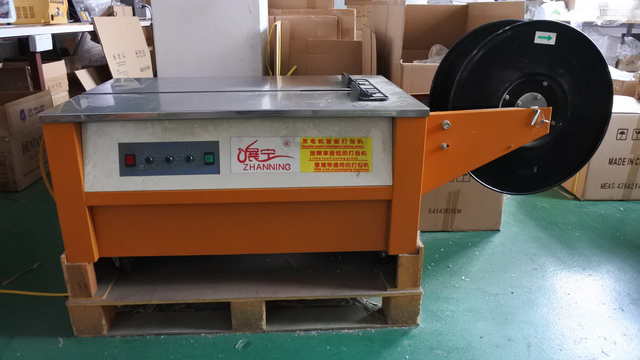
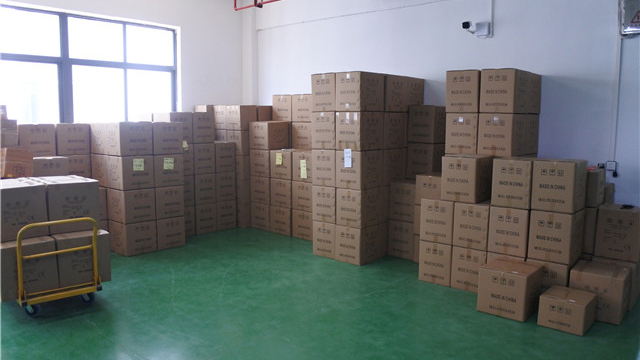
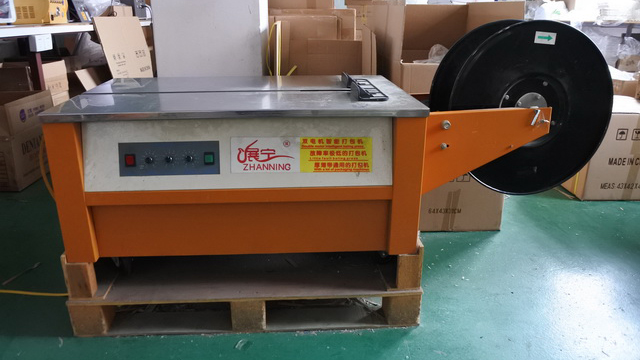
Air freight shipments for portable or compact systems typically arrive in Los Angeles within 7 to 10 business days. For heavy industrial glass cutting machines, ocean freight to the Port of Los Angeles takes approximately 18 to 25 days, plus customs clearing times. We assist with packing, documentation, and coordination to ensure safe delivery.
We provide comprehensive OEM and ODM support. This includes customized outer shell designs, localized branding, integrated software interfaces with multiple language selections, and specialized technical configurations to match the specific power and wavelength requirements of your target market.
 EssSea Beauty