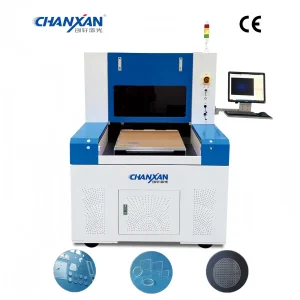
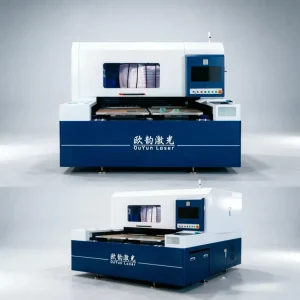
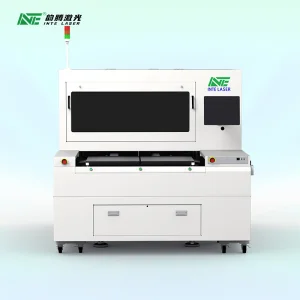
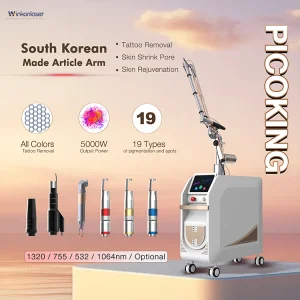
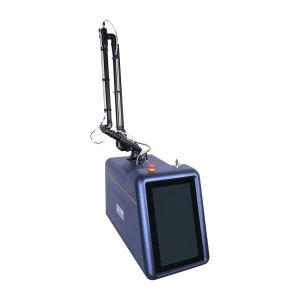
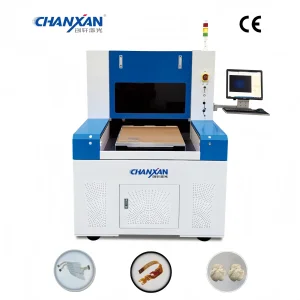
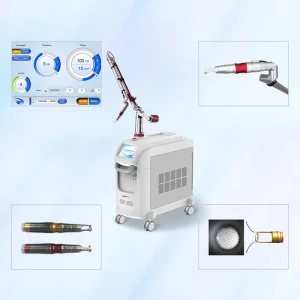
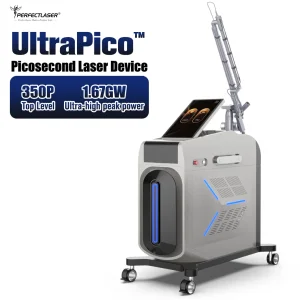
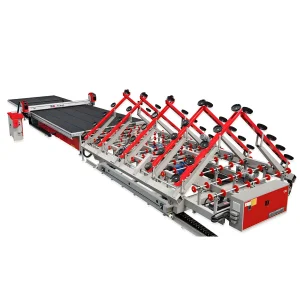
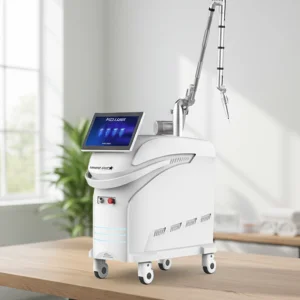
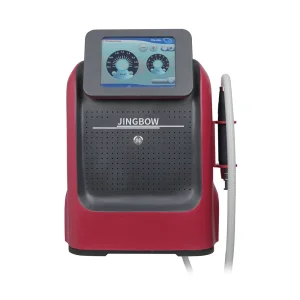
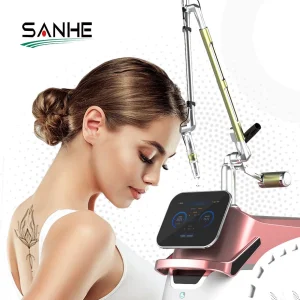
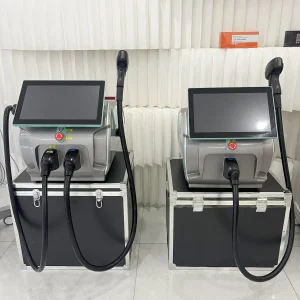
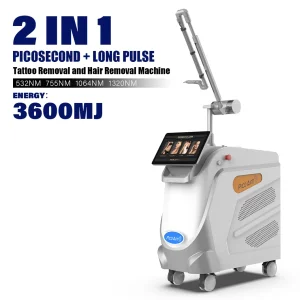
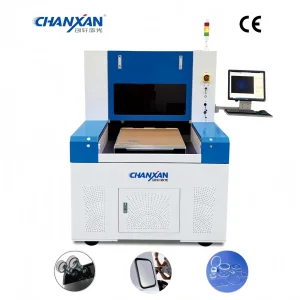
High-performance optical instruments configured with precision optics for clinics and manufacturing applications in NZ.
Picosecond laser technology represents a milestone in ultra-short pulse physics. Unlike traditional nanosecond systems, picosecond pulses operate in a time frame of trillions of a second (10-12 seconds). This rapid pulse duration induces a "photoacoustic" effect rather than a thermal one, fragmenting target microstructures (such as tattoo pigment particles or glass crystalline lattices) with minimal thermal damage to surrounding substrates.
Across major commercial hubs in New Zealand—ranging from Auckland's biomedical design sectors to Christchurch’s manufacturing hubs—there is a growing demand for precise micro-processing. Industry regulations, driven by Medsafe for medical aesthetic systems and OSHA-aligned standards for manufacturing lines, demand equipment that delivers consistent energy outputs, high duty cycles, and exceptional durability.
By focusing on high repetition rates, optimized peak power, and robust optical paths, we deliver industrial-grade laser cutting engines and advanced aesthetic laser systems to operators throughout New Zealand, helping local businesses achieve greater processing efficiency.
Understanding the physical differences in energy transfer helps operators select the right system for their requirements.
| Performance Metrics | Nanosecond Lasers (Q-Switched) | Picosecond Lasers (Ultra-Short Pulse) | New Zealand Market Advantages |
|---|---|---|---|
| Pulse Duration | 5 - 20 nanoseconds (10-9 s) | 350 - 750 picoseconds (10-12 s) | 1000x faster interaction, preventing heat accumulation. |
| Primary Mechanics | Photothermal (Heat generation) | Photoacoustic (Mechanical breakdown) | Safer for skin treatments; prevents micro-cracks in glass. |
| Thermal Damage Zone | Moderate to high thermal diffusion | Negligible, precise energy focus | Saves on secondary finishing costs for manufacturing. |
| Aesthetic Comfort | High discomfort, potential for scarring | Painless treatment, faster recovery times | Higher patient satisfaction rates for aesthetic clinics. |
| Glass Processing Quality | Macro-cracking, rough edge profile | Polished edges, no micro-fracturing | Perfect for automotive and structural architectural glass. |
OEM-certified setups built to handle demanding workloads, now shipping to Oceania.
Modern procurement managers look beyond base unit prices. Buyers assess supply chain stability, component sourcing transparency, and adherence to international design standards. Our systems are engineered using selected optical and electronic components to ensure reliability throughout their lifespan.
In New Zealand, applications range from multi-clinic aesthetic systems in Wellington and Auckland to high-precision industrial glass scribing. By providing specialized configurations, we make sure our equipment adapts seamlessly to local workplace safety guidelines and operational protocols.
Compliance is critical. Our industrial systems utilize fully enclosed laser chambers (Class 1 equivalent paths), and our aesthetic platforms integrate dual-stage safety filters. These designs help clients meet regional compliance standards, including Medsafe classifications and AS/NZS safety audits.
Established in 2013 and based in Guangzhou, China, Guangzhou EssSea Beauty Co., Ltd. is a high-tech enterprise dedicated to the research, development, production, and application of advanced aesthetic and industrial-grade laser systems.
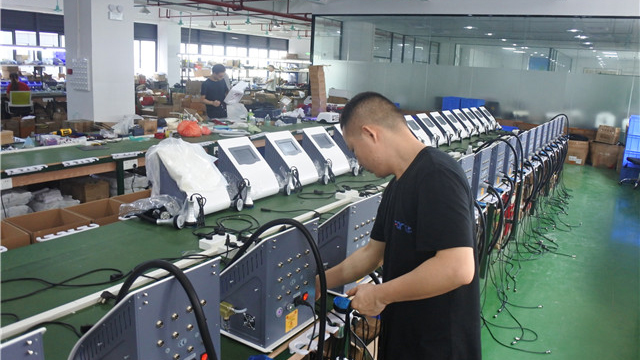
As an OEM and ODM manufacturer, our facilities in Guangzhou span over 2,000 square meters of production floors and clean-room assembly lines. Supported by an experienced R&D team, we continuously optimize our product lines to meet the evolving demands of our international clients.
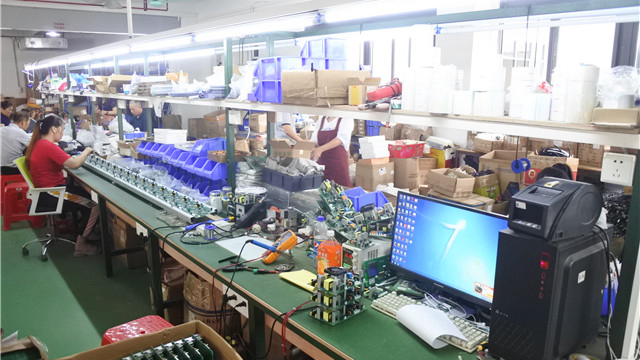
Our quality control system monitors every stage of production, from raw component testing to final system burning. This rigorous process ensures our systems meet the performance requirements of clinics and manufacturing lines worldwide.
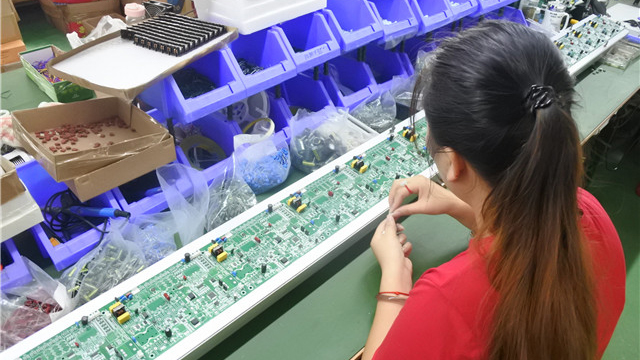
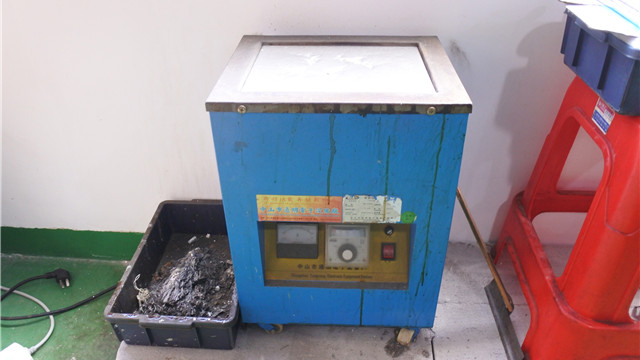
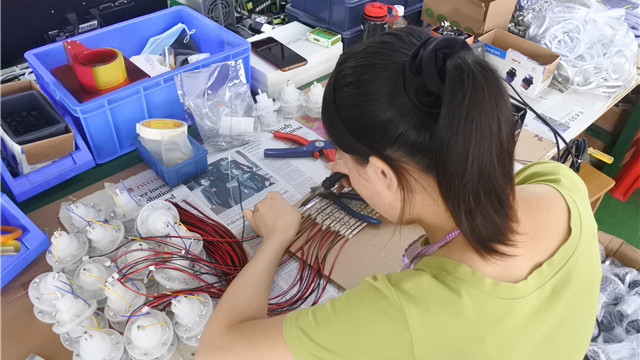
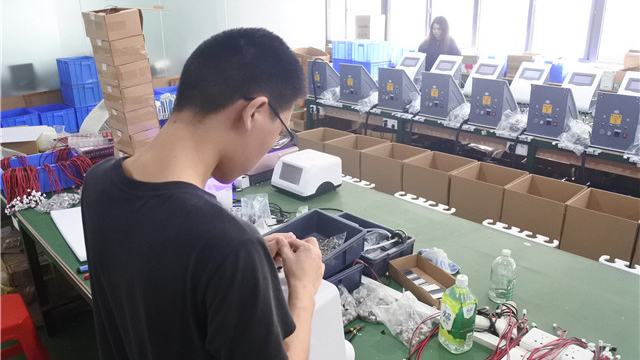
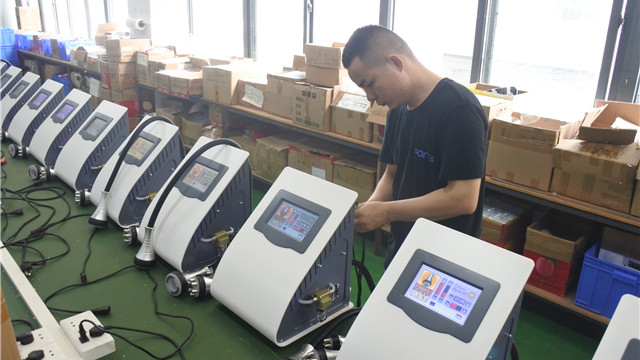
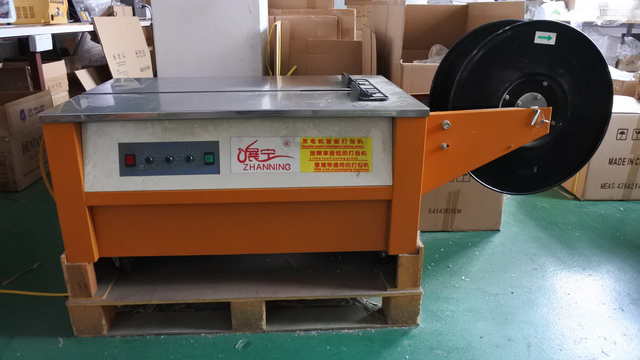
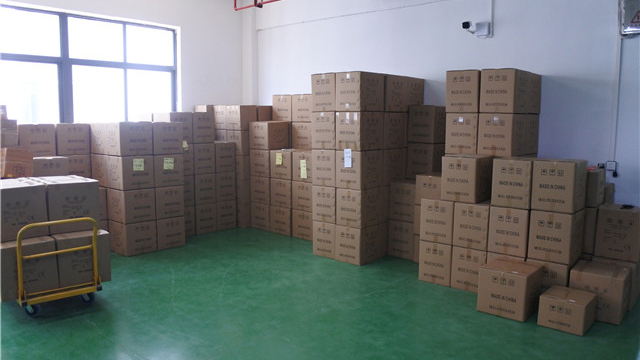
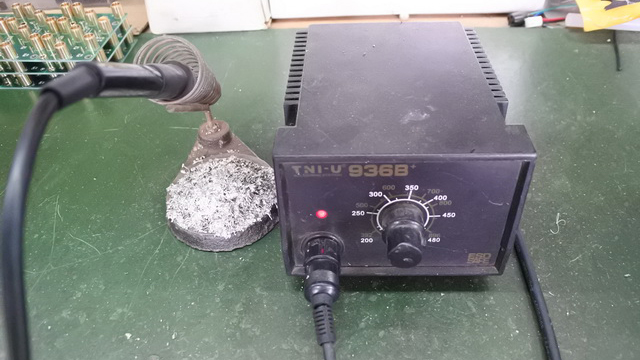
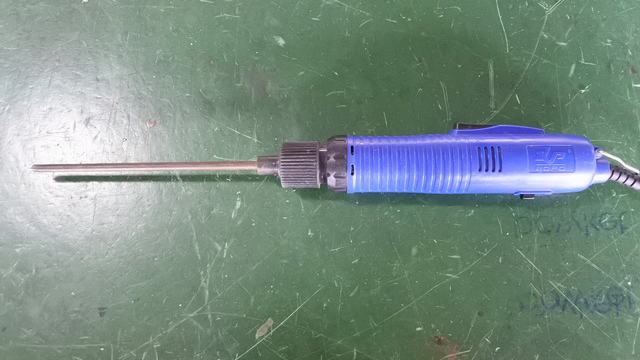
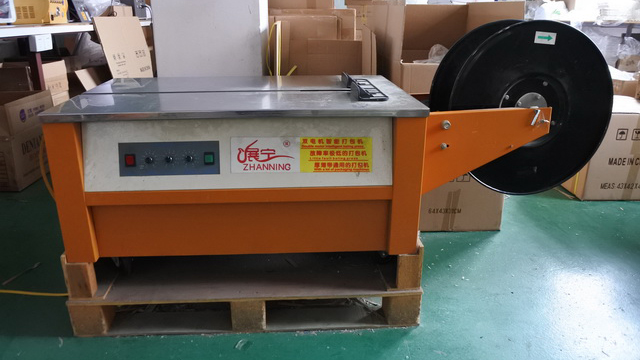
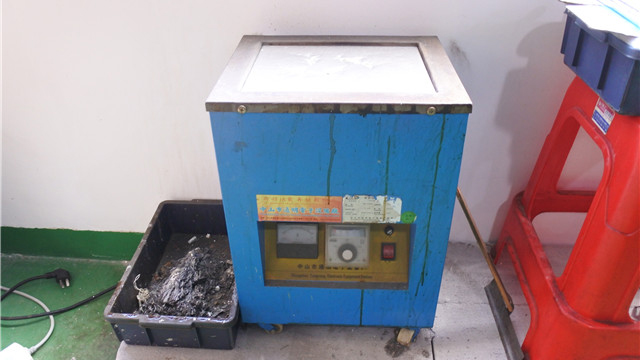
Every device undergoes a structured production workflow at our Guangzhou facility to ensure stable optical alignments and system reliability.
Explore our full line of aesthetic and high-precision laser equipment, complete with factory-backed support and warranty plans.
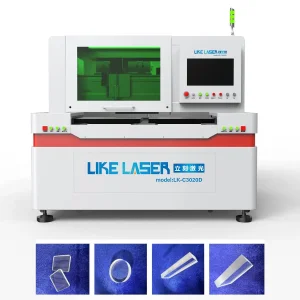
The rapid growth of high-precision manufacturing is closely linked to Chinese Factory 4.0 production strategies. Modern Chinese facilities leverage vertical integration to keep key supply stages—such as component machining, circuit board assembly, and optical alignment—in-house. This centralized production model protects operations from global logistics disruptions while maintaining strict product quality control.
For clinics and industrial buyers in New Zealand, sourcing directly from a vertically integrated factory in Guangzhou, China, offers key benefits:
Additionally, our OEM/ODM design capability allows clients to request custom chassis styles, integrated dual cooling loops (using TEC active cooling), and tailored system interfaces that align with their local market branding. With dedicated sales and support teams, we coordinate transport, customs clearance documentation, and import compliance to ensure smooth deliveries to the Ports of Auckland, Tauranga, and Lyttelton.
Answers to common questions about importing, operating, and maintaining picosecond lasers in New Zealand.
Picosecond lasers operate with pulse durations in the picosecond range (10-12 seconds), which is roughly 1000 times faster than nanosecond Q-switched systems. This ultra-short duration converts light energy into mechanical photoacoustic waves, breaking down pigment or cutting glass substrates with minimal heat transfer. This reduces thermal damage to surrounding material, resulting in cleaner cuts and lower risk of scarring or skin discoloration.
We coordinate the entire shipping process using experienced sea and air freight forwarders. For larger industrial glass cutting lines or multi-unit cosmetic orders, sea freight to ports like Auckland or Tauranga is recommended. We provide all necessary documentation—including commercial invoices, packing lists, CE certificates, and Bills of Lading—to ensure smooth clearance through the New Zealand Customs Service (NZCS).
Yes. Our laser machines are manufactured to comply with European CE safety standards, and we offer configurations that meet local electrical safety regulations (such as AS/NZS compliance requirements). For medical and beauty clinics, we assist clients by providing the technical documentation needed to register systems under local compliance frameworks.
As an established manufacturer, we offer comprehensive OEM and ODM services. We can customize the outer shell, colors, branding elements, and user interfaces (including localized English software) to suit your business needs. Contact our sales team to discuss minimum order quantities for custom builds.
We provide detailed user manuals, video training materials, and direct video consultations with our technical support engineers. If troubleshooting is required, we ship replacement components via DHL or FedEx to minimize operational downtime for your business.
 EssSea Beauty