Deploying advanced ultrafast pulse technology optimized for Germany's high-tech industrial manufacturing and clinical standards.
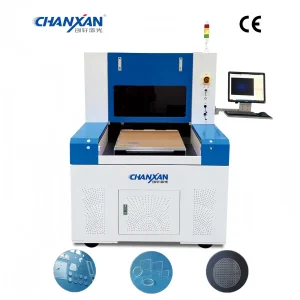
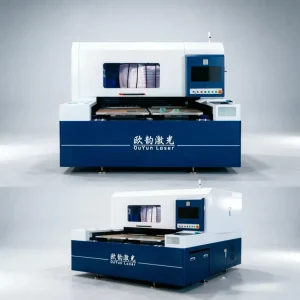
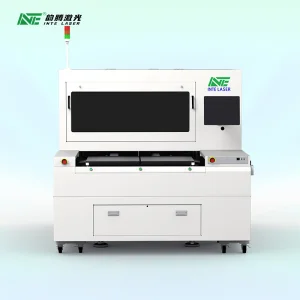
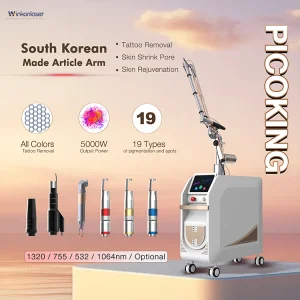
The Berlin-Brandenburg metropolitan region stands as one of Europe's premier clusters for photonics, optics, and microsystem technologies. From the scientific hotbed of Berlin-Adlershof to localized precision engineering labs, Berlin demands high-specification manufacturing equipment. Picosecond laser technologies represent the pinnacle of modern material processing and medical cosmetics, bridging the gap between raw thermal ablation and localized molecular disintegration.
Historically, micro-machining and medical procedures relied heavily on nanosecond pulses. However, nanosecond systems generate a significant Heat-Affected Zone (HAZ), leading to micro-cracking in sensitive glass substrates or thermal scarring in biological tissues. The introduction of the picosecond pulse regime—operating in the range of 10-12 seconds—has revolutionized these applications by enabling pure photoacoustic breakdown and cold ablation.
When a laser pulse width is compressed to several picoseconds, the energy delivery rate exceeds the thermal diffusion rate of the target material. The peak power density becomes so high that electrons are instantly stripped from their parent atoms, initiating multiphoton absorption. In industrial glass dicing or semiconductor micro-structuring, this results in localized sublimation without transferring kinetic thermal energy to the surrounding lattice structure. Consequently, edge roughness is reduced to the sub-micron scale, eliminating the need for post-processing steps like mechanical grinding or chemical etching.
For medical aesthetics, such as tattoo pigment removal and skin rejuvenation, the picosecond pulse generates a localized acoustic wave. Rather than boiling the ink particles (which damages surrounding skin cells), the photoacoustic wave shatters the pigment into microscopic dust that is easily cleared by the lymphatic system. This precise energy delivery is vital under German NiSV regulations, which strictly regulate energy emissions to protect patient safety.
Flexible configurations designed to integrate seamlessly into German automated production lines and high-end aesthetic clinics.
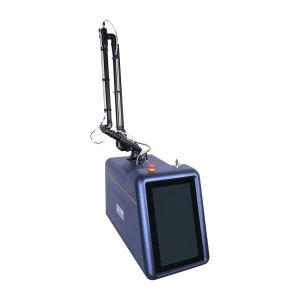
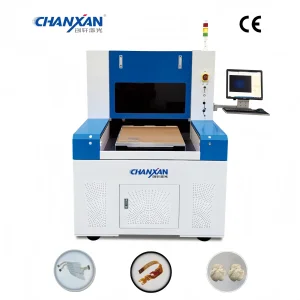
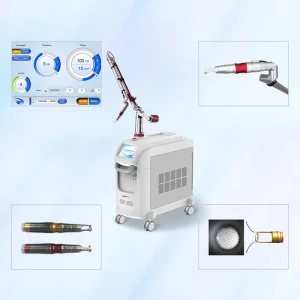
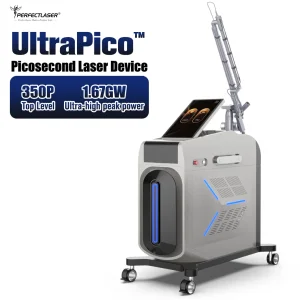
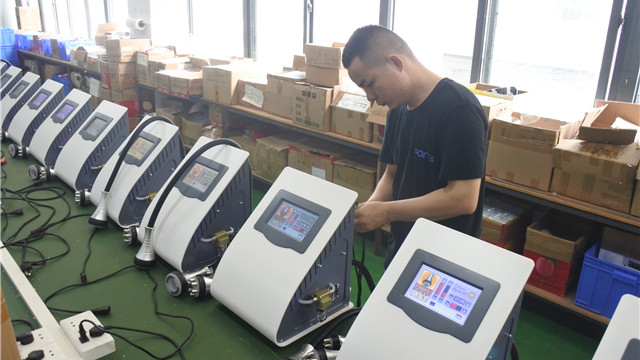
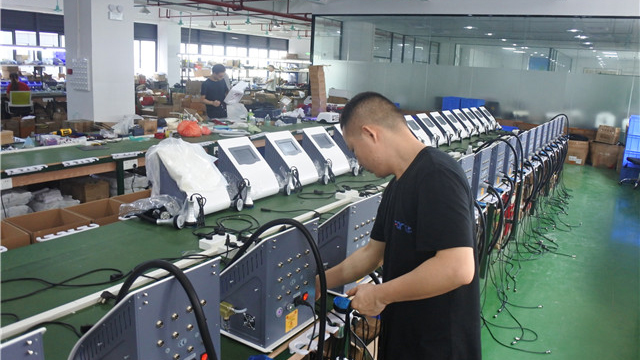
Guangzhou EssSea Beauty Co., Ltd. (established in 2013) is a high-tech pioneer in optical and laser systems engineering. Spanning over 2,000 square meters of ultra-clean industrial space in Guangzhou, China, our production site acts as an OEM/ODM hub servicing demanding European markets, including Berlin, Frankfurt, and Munich. Our facility operates under ISO 13485 quality management systems, incorporating cleanrooms specifically built for optical assembly, laser diode integration, and beam profile alignment.
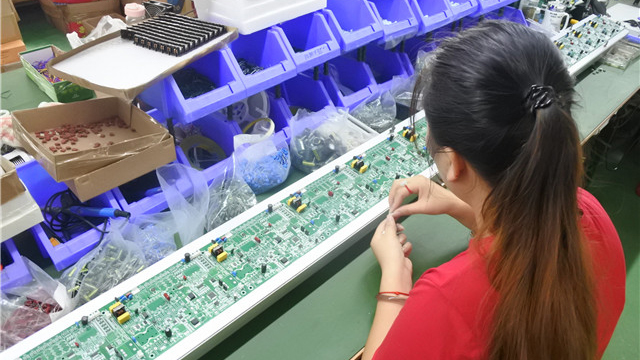
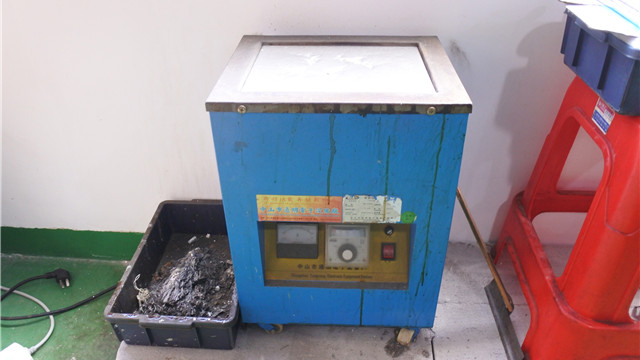
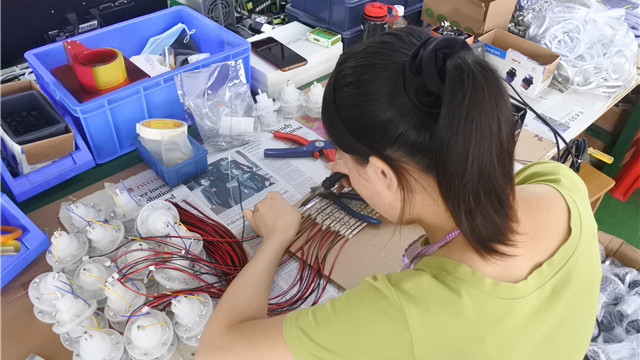
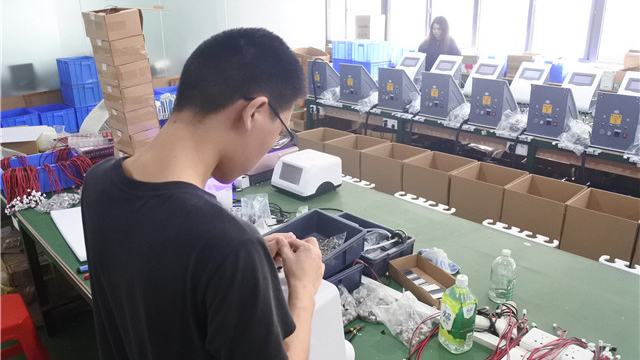
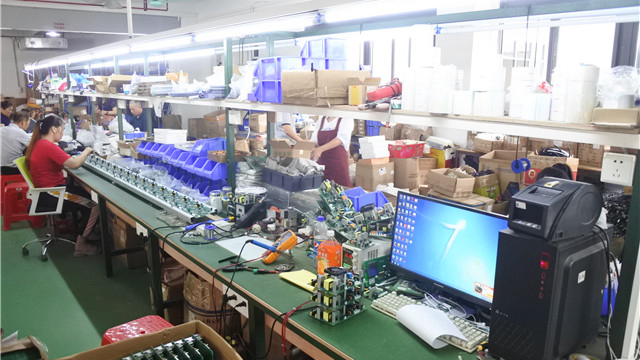
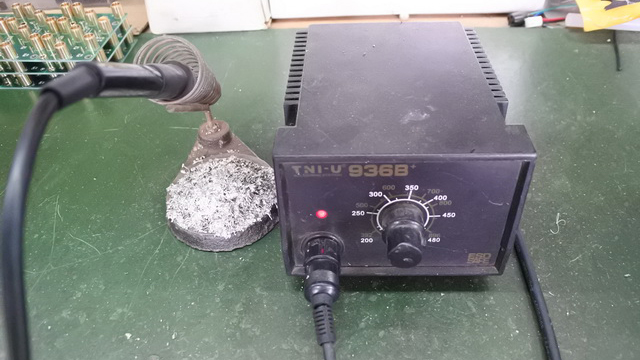
With an experienced R&D department containing dedicated optical, mechanical, and software engineers, we develop cutting-edge laser platforms. Our production capability encompasses the entire life cycle of industrial and aesthetic lasers: from initial PCB layout design and component placement, to tin immersion, precision robotic welding, high-temperature environmental testing, and final quality inspection.
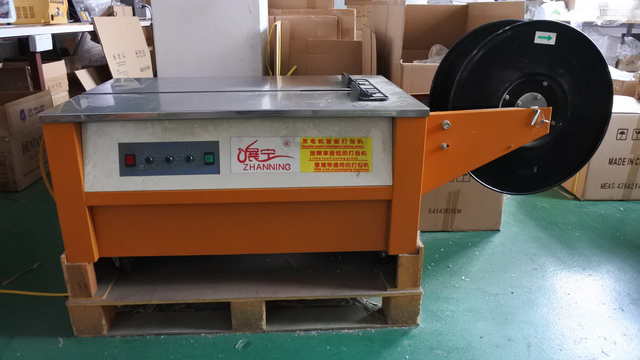
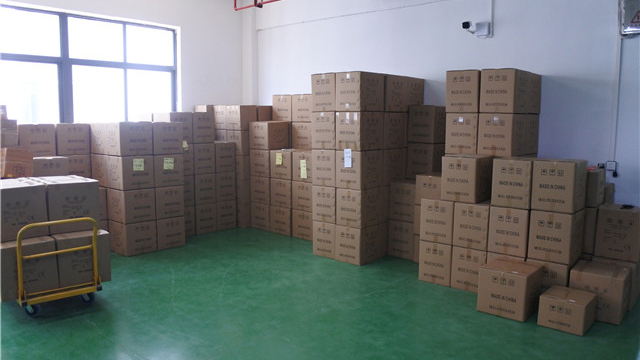
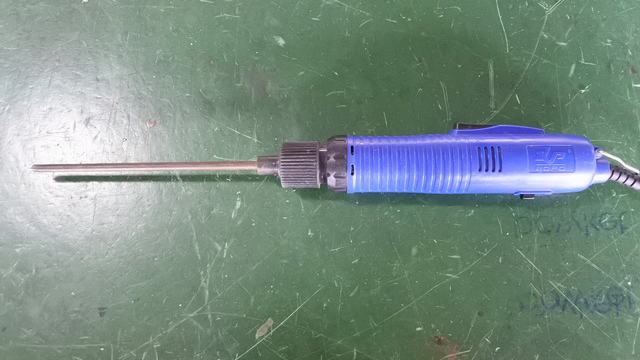
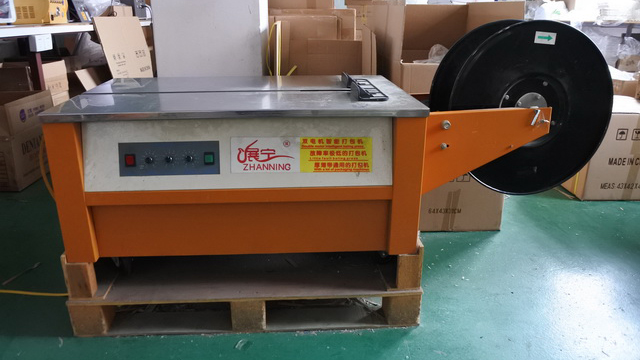
Transparent display of our ISO 13485 certified stages and testing environments, ensuring maximum reliability for the European medical and industrial fields.

Operating laser equipment in Germany, specifically in clinical and aesthetic environments, requires strict adherence to federal laws. On December 31, 2020, Germany fully implemented the Ordinance on Protection against Non-Ionizing Radiation (NiSV), declaring that only certified medical professionals or operators with validated training profiles are permitted to handle class 4 lasers. Our systems are engineered to help clients navigate these strict regulatory landscapes.
Our OEM/ODM manufacturing processes ensure that all picosecond devices exported to Berlin are fully compliant with the European Medical Device Regulation (MDR 2017/745) and CE certification requirements. Standard provisions include integrated safety shutters, double electrical isolation, automated emergency stop circuits, and software limits designed to prevent accidental skin over-exposure or mechanical overload during industrial cycles.
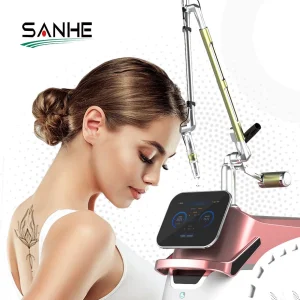
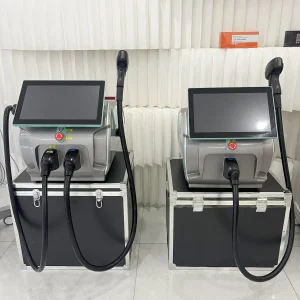
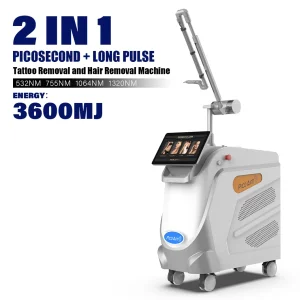
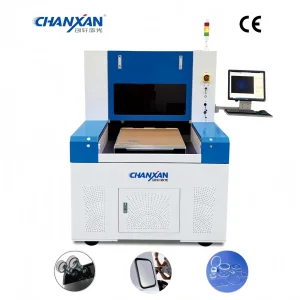
The complete range of aesthetic and industrial picosecond systems, certified for long-term operational resilience and thermal stability.
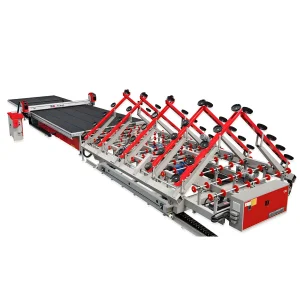
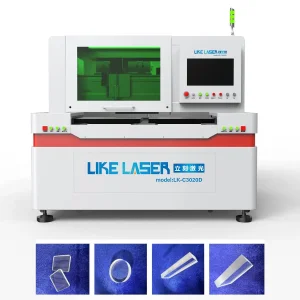
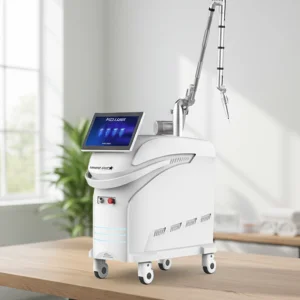
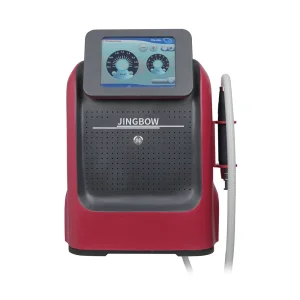
As micro-machining tolerances approach the sub-micron boundary, technology is shifting towards "sub-picosecond" and femtosecond laser configurations. For Berlin's high-tech manufacturing, this progression offers even smaller Heat Affected Zones (HAZ) and superior edge geometry. Our R&D pipeline is actively testing burst-mode pulse trains, where instead of a single high-energy pulse, a rapid series of lower-energy pulses separated by a few nanoseconds is delivered. This technique significantly increases the ablation rate on hard substrates like sapphire and hardened borosilicate glass.
In the clinical domain, optical fiber delivery systems are undergoing rapid iteration. Solid articulated arms, though efficient, limit mechanical maneuverability in complex clinical procedures. We are actively developing high-power hollow-core photonic crystal fibers that can transmit megawatt-level peak power picosecond pulses without inducing nonlinear optical damage inside the waveguide. This design will allow for lightweight, flexible handheld applicators, marking a significant step forward in dermatologist ergonomics.
Essential insights covering the integration, operation, and import of picosecond laser platforms for the German market.
Partner with a reliable manufacturer offering state-of-the-art optical engineering, ISO-certified quality control, and comprehensive regulatory support.
Send Inquiry Now EssSea Beauty