Advanced high-precision micromachining and cutting systems tailored for Hamburg's advanced industrial and manufacturing sectors.
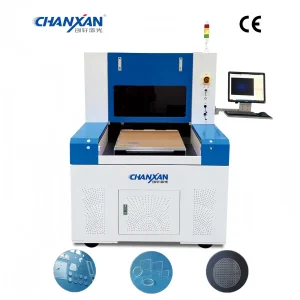
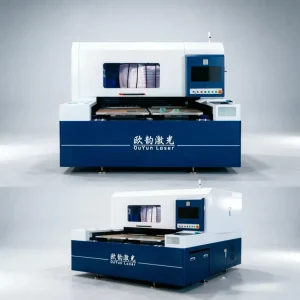
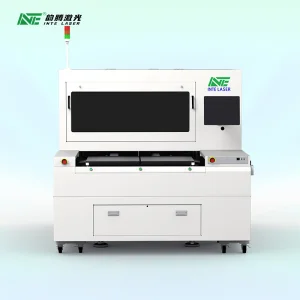
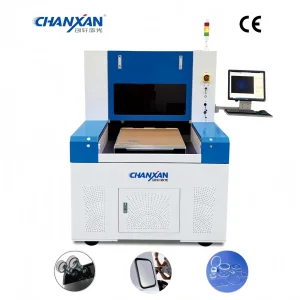
Hamburg stands as one of Europe's premier industrial and commercial crossroads. Renowned globally for its deep-water port, the city is equally dynamic in aerospace engineering, modern microelectronics, and advanced medical tech networks. In this demanding manufacturing ecosystem, the call for ultra-fast precision lasers has grown rapidly.
Within Northern Germany's biomedical sector, specifically the Life Science Nord cluster, clinical specialists and aesthetics clinics in neighborhoods like Eppendorf and Winterhude expect clinical systems of the highest standard. These clinical hubs demand medical machines that are reliable, precise, and fully compliant with EU directives.
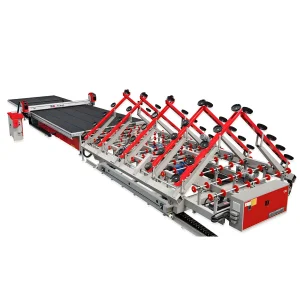
For industrial applications, manufacturers in the Hamburg Metropolitan Region require highly efficient laser glass cutting and engraving systems to serve logistics, aviation, and solar technology lines. This shift has established Hamburg as a key focus area for specialized laser exporters looking to supply cutting-edge optical technology.
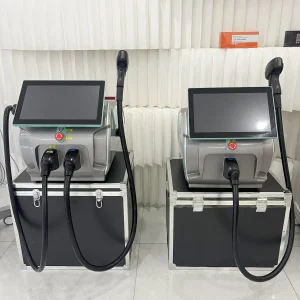
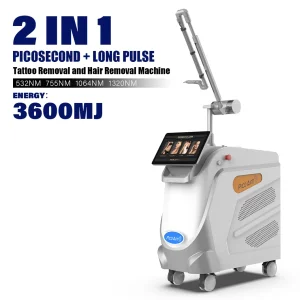
Precision-controlled aesthetic lasers for clinic networks that demand maximum safety profiles, negligible downtime, and reliable pulse emissions.
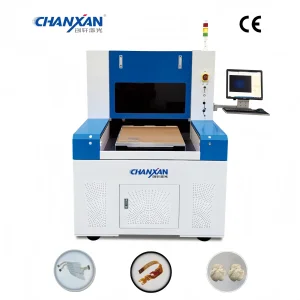
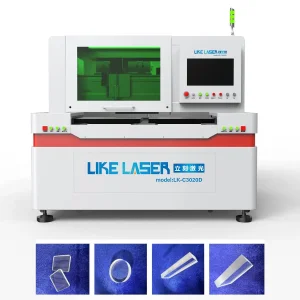
Thermal-free, micro-level cutting capabilities for ultra-thin glass, sapphire, and semiconductor substrates across Northern Germany.
Analyzing the shift from photothermal to photoacoustic interaction for industrial glass processing and clinical aesthetics.
Conventional nanosecond lasers rely on intense heat to melt materials, which can create micro-fractures in glass or lead to thermal damage on skin. Picosecond technology operates in the range of 350 to 750 picoseconds ($10^{-12}$ s), breaking target structures via photoacoustic waves rather than thermal energy.
By using Nd:YAG crystals coupled with advanced optical frequency doubling, modern devices deliver wavelengths like 1064nm, 532nm, and 755nm. This allows for precise targeting of varied pigments in aesthetic clinical settings and adapts to different absorption rates in industrial film processing.
To support consistent output during high-frequency industrial use or continuous clinic schedules, modern platforms integrate Thermo-Electric Cooling (TEC) systems. These systems maintain laser temperature stability within ±0.1°C, extending the service life of optical modules.
Engineered for high-volume factories and advanced material labs in Western Europe.
Established in 2013 and based in Guangzhou, China, Guangzhou EssSea Beauty Co., Ltd. is a high-tech enterprise focused on the research, development, and manufacture of advanced medical aesthetics and laser devices.
Our facility spans over 2,000 square meters, combining production lines, clean rooms, and administrative offices. With a team of more than 50 employees—including a dedicated R&D division of 6 to 8 technical specialists—we ensure that every device leaving our facility meets strict quality standards.
We provide comprehensive OEM and ODM solutions, supporting clients with specialized software design, custom casings, and tailored optical setups to help partners stand out in competitive regional markets like Germany.
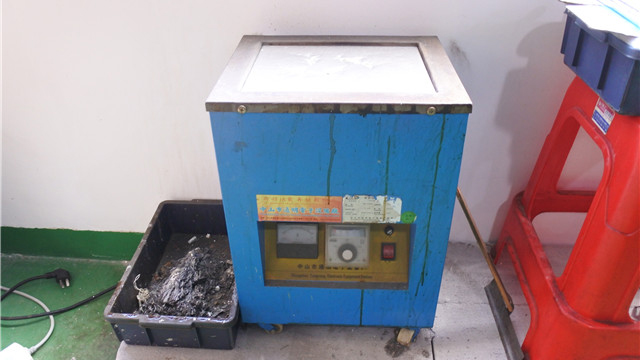
EssSea Beauty: Modern Production Cleanroom in Guangzhou, China
Every machine undergoes structured verification, calibration, and inspection steps to guarantee long-term stability and compliance with European CE standards.
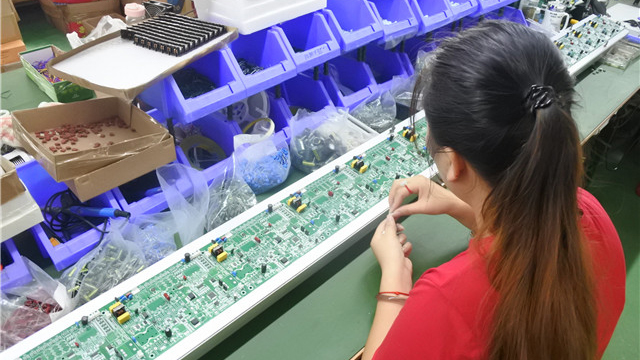
Plug-in Component Installation
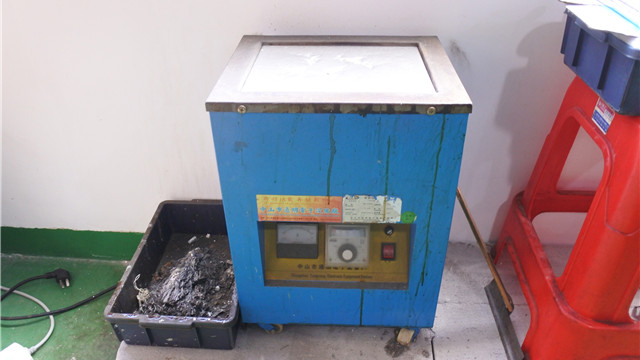
Tin Immersion Line Processing
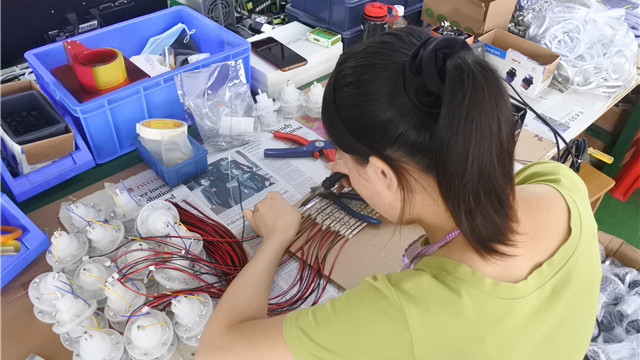
Precision PCB Welding
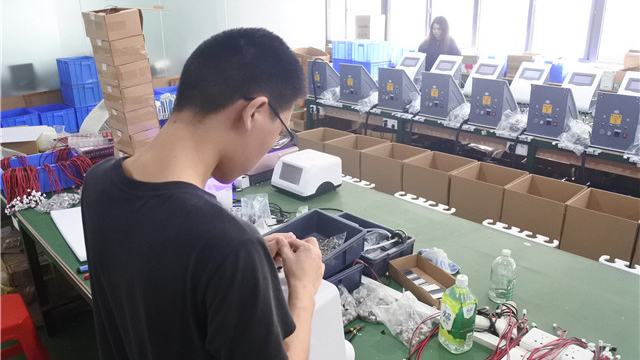
Chassis & Laser Module Assembly
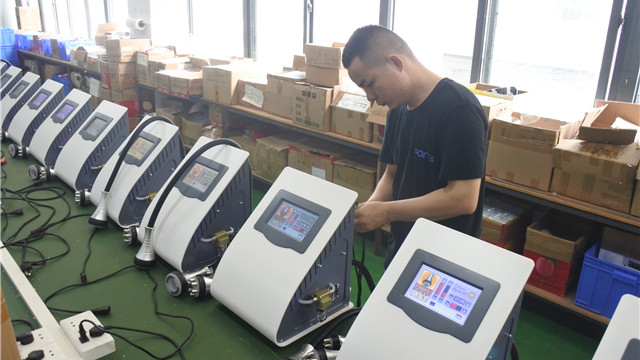
Calibration and Laser Testing
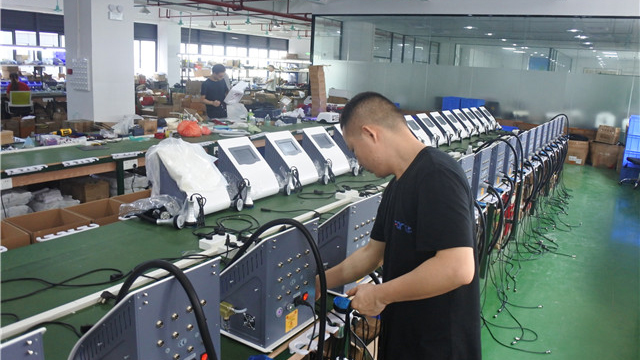
Quality Inspection & Verification
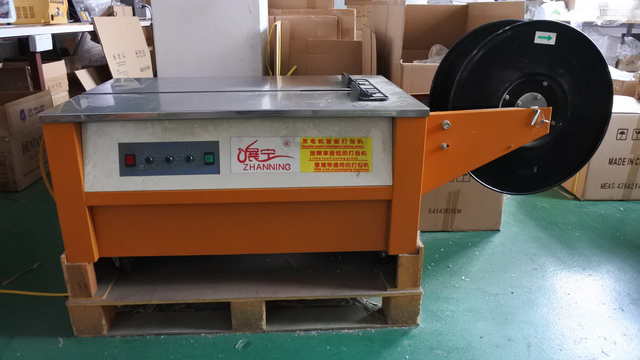
Heavy-Duty Packaging Process
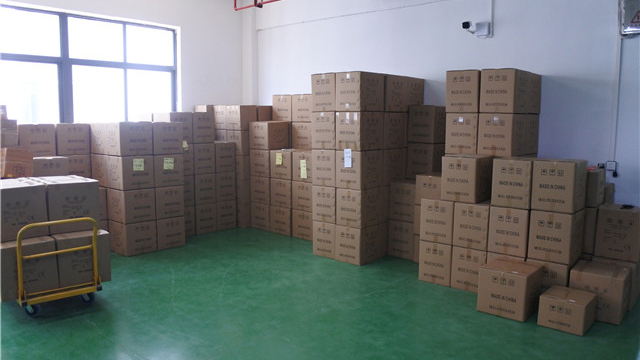
Finished & Inspected Product
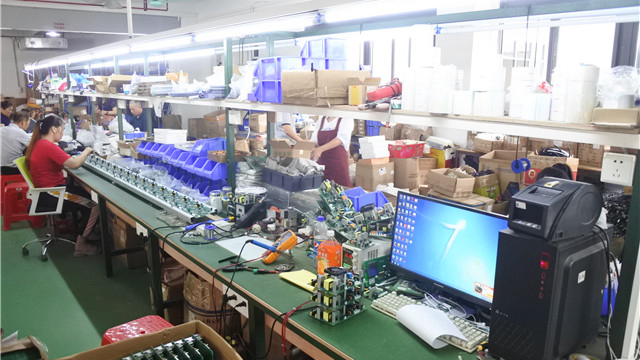
Optimized Assembly Line Workflow
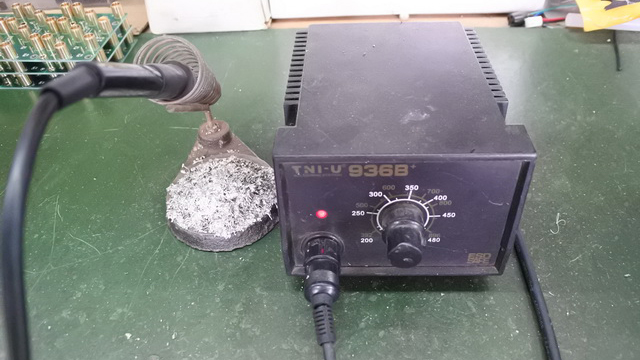
Automatic Welding Machine Systems
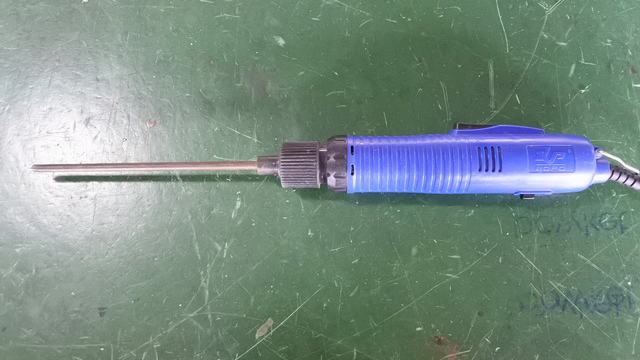
Calibrated Torque Assembly Tools
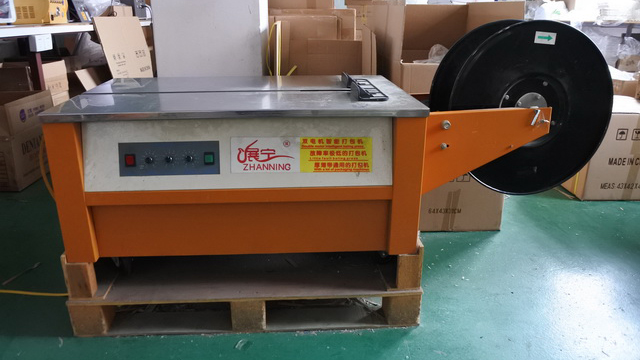
Vacuum Packaging & Seal Station
Key parameters for Hamburg distributors and clinic chains sourcing advanced laser platforms.
When purchasing aesthetic systems for Northern Germany's aesthetic market, distributors should focus on:
For high-volume glass, film, or metal foil processing factories, critical factors include:
Importing advanced laser machinery into Hamburg requires adherence to European Union directives. Our team works with experienced freight forwarders to manage custom clearances at the Port of Hamburg, ensuring import processes proceed smoothly.
Every laser system we ship to Germany is accompanied by comprehensive documentation: CE technical files, declaration of conformity, operating instructions, and protective eyewear guidelines. We support local distributors in fulfilling national safety registration processes, providing the technical details required by regulatory bodies.
Additionally, we provide virtual setup support and direct technical consultations, ensuring your engineering team or clinic operators are fully trained in the system's operation.
Clear, direct answers regarding technology, delivery, and system configurations for the Hamburg market.
Picosecond systems deliver laser energy in ultra-short pulses ($10^{-12}$ seconds), whereas nanosecond systems deliver pulses in $10^{-9}$ seconds. This speed allows picosecond lasers to shatter targeted particles or cut glass substrates using photoacoustic pressure, minimizing residual thermal damage to surrounding areas.
Our manufacturing facility operates under ISO9001 guidelines. Our machines are built with shielded internal wiring, high-grade power supplies, and certified components that pass critical electromagnetic compatibility (EMC) and low voltage directive (LVD) tests required for EU markets.
Standard ocean freight from Guangzhou to the Port of Hamburg takes approximately 28 to 35 days. For time-critical clinic installations, we offer air cargo solutions arriving at Hamburg Airport (HAM) within 5 to 7 business days, packaged in robust flight cases.
Yes. We provide complete OEM/ODM options. We can customize casing colors, screen graphics, and UI languages (such as German, English, and French) to match the branding requirements of local medical distributors or aesthetic networks.
Industrial micromachining systems require regular dust extraction checks and optical window inspections. Under normal operations, the primary optical modules require calibration checks every 6 to 12 months, which can be managed by local engineers using our detailed service manuals.
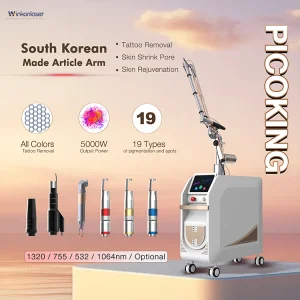
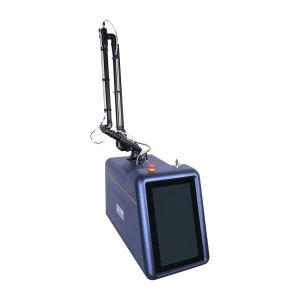
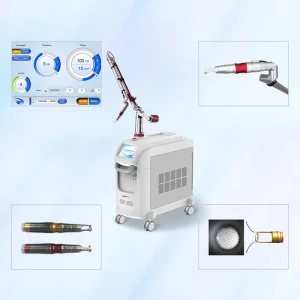
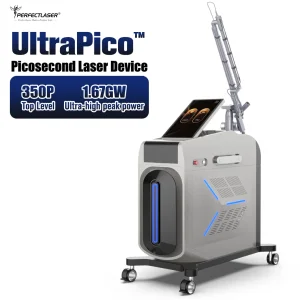
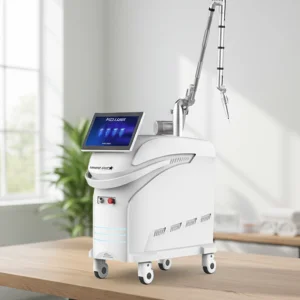
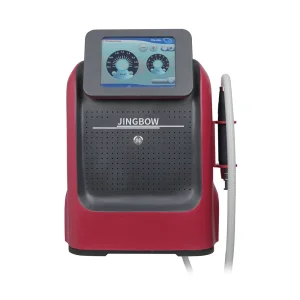
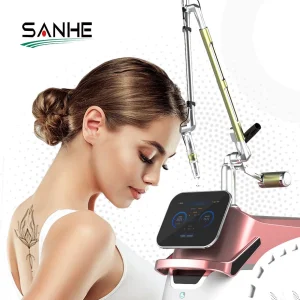
Professional aesthetic laser systems optimized for beauty clinics and medical spa networks across Northern Germany.
 EssSea Beauty