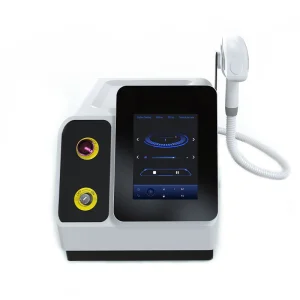
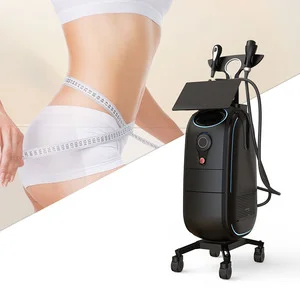
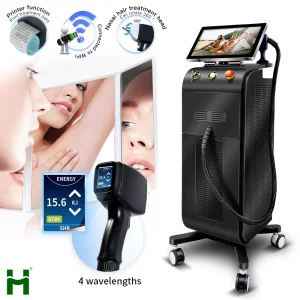
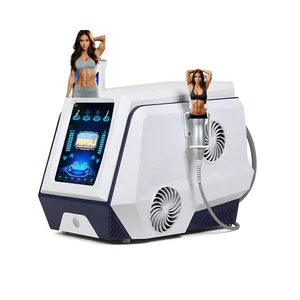
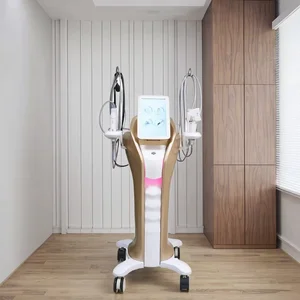
In the era of hyper-precision manufacturing and medical aesthetics, thermal imaging systems have shifted from military-grade hardware to indispensable industrial and clinical diagnostics technologies. Today, real-time thermal analysis enables technicians and clinical practitioners to identify anomalies, evaluate structural integrity, and protect cellular tissues from excessive heat exposure during laser therapy. By mapping infrared radiation onto a visual spectrum, these systems measure thermodynamic variations with accuracy down to ±0.1°C.
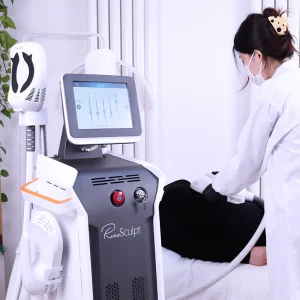
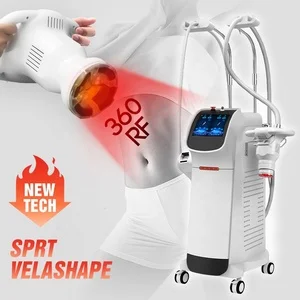
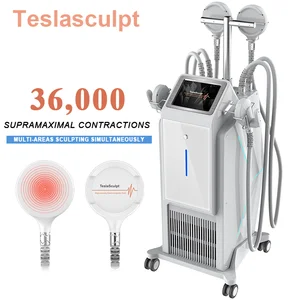
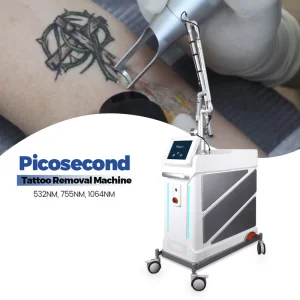
Integrating diagnostic thermal arrays inside high-frequency laser systems prevents thermal relaxation time violations, avoiding permanent epidermal burns while optimizing fat-reduction and collagen remodeling.
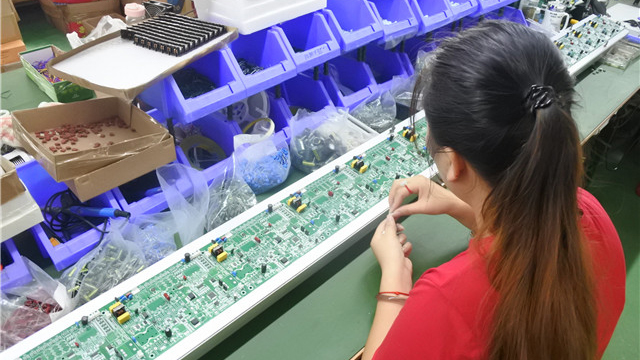
Industrial assembly lines leverage high-speed infrared sensors to detect localized thermal resistance on printed circuit boards (PCBs) before microscopic structural cracks occur.
Cloud-connected thermal systems use deep-learning models to predict tool wear, evaluate cosmetic applicator heat distribution, and match localized vascular structures automatically.
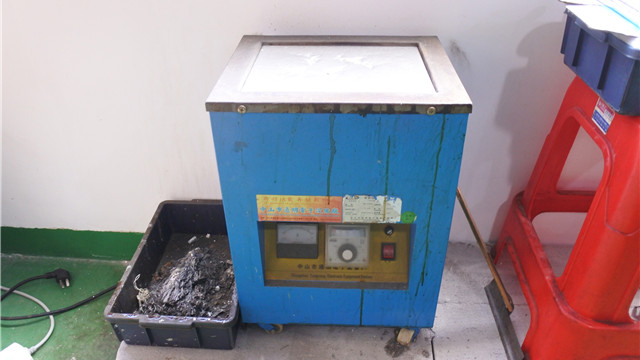
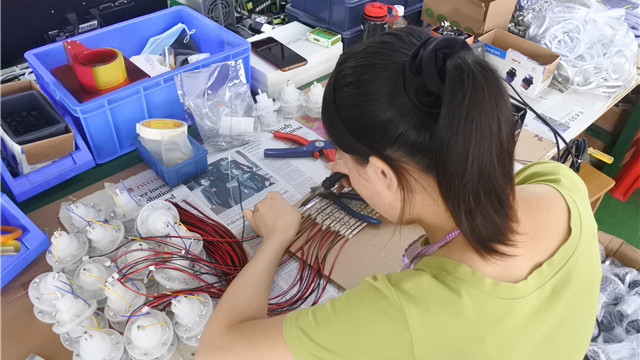
Guangzhou, as China's absolute center for optical-electronic and medical aesthetic hardware manufacturing, offers unparalleled advantages in raw material aggregation, rapid-prototype iterations, and high-precision quality control. By leveraging a localized assembly network, Guangzhou EssSea Beauty Co., Ltd. scales production while retaining absolute technical precision. Below is the detailed view of our precision manufacturing process flow, assuring maximum device reliability and compliance.
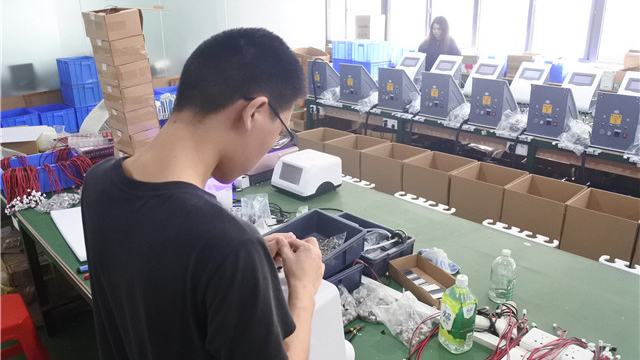
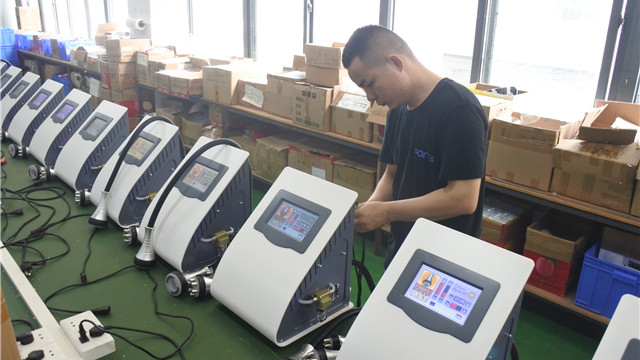
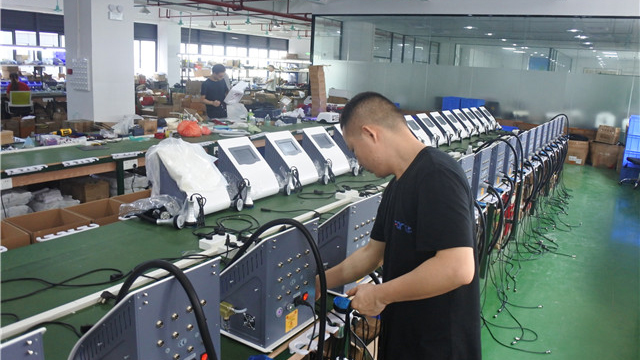
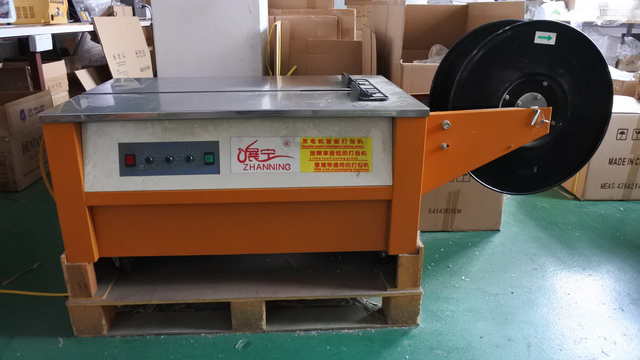
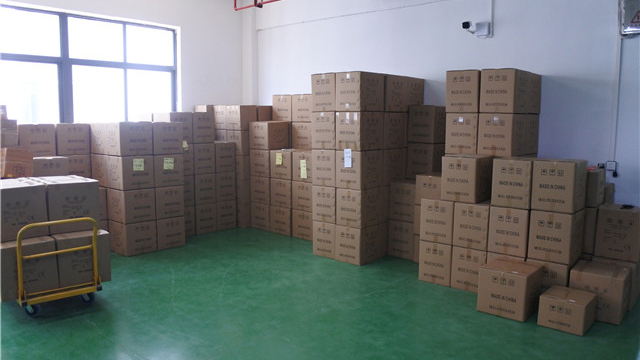
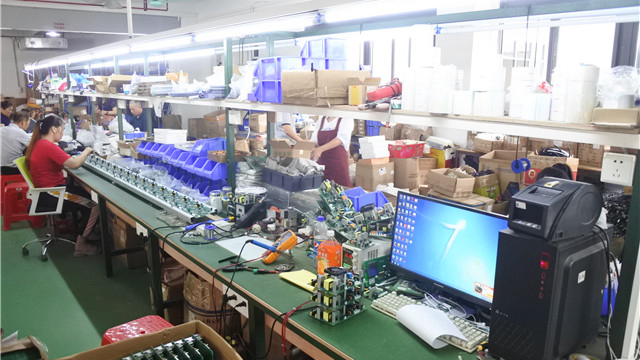
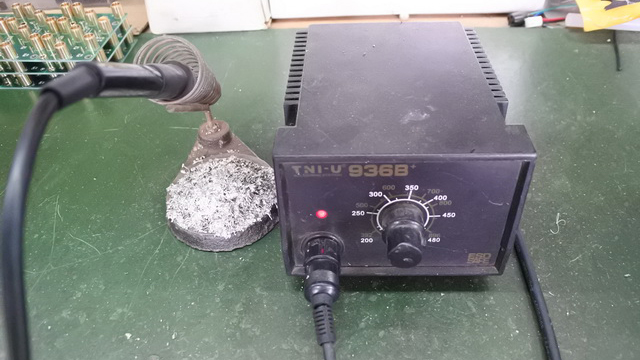
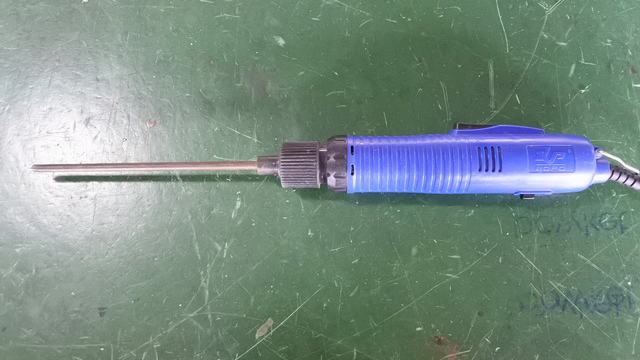

Guangzhou EssSea Beauty Co., Ltd. was established in 2013 and is located in Guangzhou, China. We are a high-tech enterprise dedicated to the research, development, production, and application of advanced beauty and aesthetic devices. Our product range includes non-invasive treatment equipment, optical technology beauty machines, and professional slimming systems designed to meet the needs of modern aesthetic clinics and beauty centers.
As a leading OEM and ODM manufacturer in Guangzhou, Guangzhou EssSea Beauty Co., Ltd. covers over 2,000 square meters of factories and offices and employs more than 50 staff members, including a dedicated R&D team of 6–8 experts. Our efficient sales and support teams ensure timely product delivery, professional technical assistance, and comprehensive after-sales service, providing solutions to all user concerns. We prioritize technological innovation and product development, continuously improving existing equipment and designing new solutions to meet market demand.
Guangzhou EssSea Beauty Co., Ltd. adheres to core values of credibility, integrity, responsibility, innovation, openness, and collaboration. Customer satisfaction is our top priority, and we are committed to providing the best OEM and ODM services to both domestic and international clients through our experienced research engineers and professional support teams.
Our products have been successfully exported to the Americas, Europe, the Middle East, Africa, and Southeast Asia, gaining recognition and trust in numerous cities worldwide. With a focus on quality, innovation, and customer service, we aim to establish long-term, mutually beneficial partnerships with our clients, creating a brighter future together.
Developing and deploying thermal imaging systems requires an acute understanding of localized compliance standards and specific applications in key international zones:
In the US and Canada, medical clinics utilize thermal imaging systems to monitor skin heat dissipation during high-frequency micro-needling RF treatments. FDA guidelines require thermal feedback mechanisms to guarantee patient safety.
European practitioners require systems to comply with CE and MDR parameters. Integrated thermographic imaging helps clinicians map vascular structures to avoid sub-dermal bruising and maximize laser efficacy.
Clinics in warmer zones require robust built-in cooling monitors (such as ice titanium technology) paired with thermal warning systems to maintain energy stability despite external humidity and temperature fluctuations.
1. Cloud-Connected Thermal Mapping: Integrating thermal sensors with cloud computing modules allows clinics to log thermal profiles. This enables post-treatment optimization and dynamic, multi-wavelength adjustment during successive therapy sessions.
2. Multi-Spectral Thermography: Future aesthetic devices will combine thermal imaging with structural optical cameras to visually overlap physiological skin layers with thermal fields in real time.
Choosing the right thermal imaging systems manufacturer requires evaluating key variables to ensure long-term clinical and industrial compatibility. Distributors should prioritize the following verification parameters:
Noise Equivalent Temperature Difference (NETD) determines the sensor's capability to differentiate minimal thermal variances. Premium clinical devices demand NETD values ≤50mK.
Sensors must auto-calibrate during operation to compensate for background thermal accumulation in the handpiece emitter, ensuring zero reading drift.
The thermal imaging module must be isolated from the machine's internal power supply unit (PSU) and heat sink to prevent internal cross-interference.
Select manufacturers offering modular firmware. This allows easy integration of thermal safety warnings directly into the primary aesthetic operating system.
 EssSea Beauty