Explore our premium clinical energy systems designed for modern dermatology clinics and aesthetic centers worldwide. Integrated diagnostic and therapeutic platforms assure optimal client outcomes.
The global market for dermatology and medical aesthetic equipment has shifted from subjective visual diagnostics to quantitative, evidence-based skin health metrics. Modern skin analysis equipment sits at the absolute core of this evolution. As aesthetic consumers demand highly personalized treatments and demonstrable results, clinical-grade skin diagnostic instruments have transitioned from auxiliary tools to fundamental clinic cornerstones.
Globally, the market for skin analysis systems is expanding at a double-digit CAGR. This acceleration is driven by key advancements in optical engineering—specifically, multi-spectral imaging arrays that use RBG (red, green, blue visible light), cross-polarized light, parallel-polarized light, and deep UV illumination. These technologies reveal subsurface vascular congestion, dermal melanin distribution, sebum activity, porphyrin concentrations, and structural elasticity dynamics before they manifest on the skin surface.
In terms of production supply chains, China has emerged as the premier manufacturing powerhouse for medical-aesthetic technology. By pairing comprehensive vertical manufacturing ecosystems with continuous R&D breakthroughs in machine vision and AI algorithms, manufacturers in China deliver high-performance diagnostic hardware that rivals traditional European and American brands at highly competitive prices. As a top China skin analysis equipment supplier, Guangzhou EssSea Beauty Co., Ltd. leads this change, providing clinical platforms built for rigorous use in medical spas, clinical practices, and scientific research institutes.
Modern medical spas and dermatology chains face a recurring challenge: client conversion and treatment retention. Traditional consultations rely heavily on the visual inspection of the practitioner, which often fails to objectively convey the severity of sub-surface issues like deep melasma, UV damage, or structural collagen depletion. Clinical skin analysis equipment changes this approach entirely by creating an objective, data-driven treatment pathway.
Multi-spectral imaging registers subsurface metrics. High-resolution sensors capture RGB, UV, and polarized light to map hydration levels, sebum production, vascular redness, and deep hyperpigmentation, creating a precise skin matrix baseline.
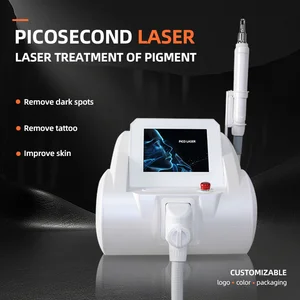
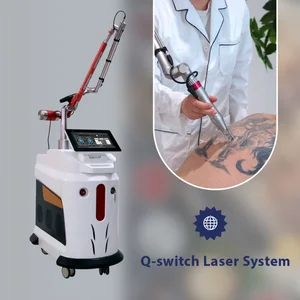
Using objective diagnostics, practitioners match patients with targeted energy treatments. For instance, high UV pigment scores guide the use of Picosecond or Q-switched lasers, while elasticity metrics justify high-intensity focused ultrasound (HIFU) therapy.
Post-treatment imaging offers clear proof of results. By comparing deep dermal structures before and after therapy, clinics provide tangible proof of progress, building patient trust and maximizing repeat visits.
Implementing this closed-loop model directly affects clinic profitability. Experience shows that clinics using systematic, image-based diagnostics see a major increase in treatment conversion rates. When clients see the sub-surface improvements of their skin layers, their appreciation of the treatment value increases, driving long-term clinic retention.
Established in 2013 in Guangzhou, China, Guangzhou EssSea Beauty Co., Ltd. is a leading high-tech enterprise specializing in the R&D, manufacturing, and distribution of advanced aesthetic and diagnostic platforms. With a production facility spanning over 2,000 square meters and a dedicated R&D division of 6 to 8 experts, we run a modern facility focused on quality and precision. Our specialized team holds deep expertise in high-demand clinical technologies: ND Yag Laser Machines, Diode Laser Hair Removal, Body Slimming Equipment, Hydra Skin Rejuvenation Systems, RF Fractional Devices, and Oxygen Multi-functional Skin Systems.
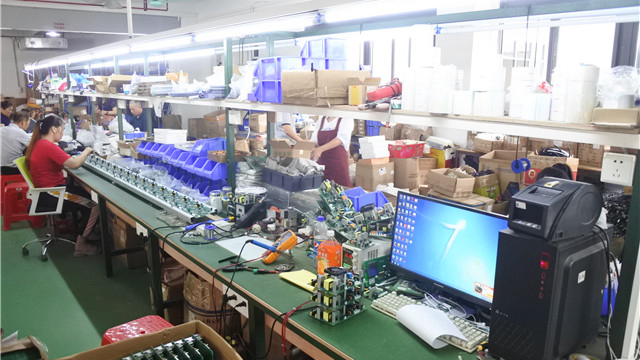
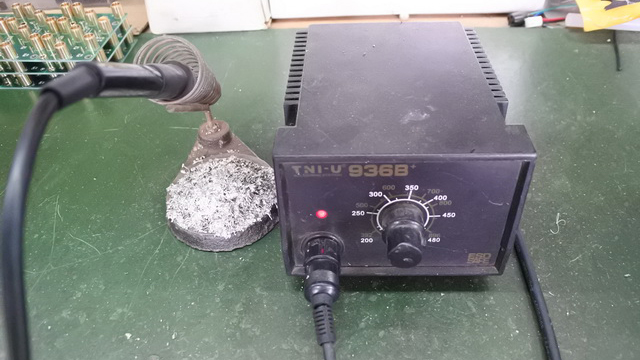
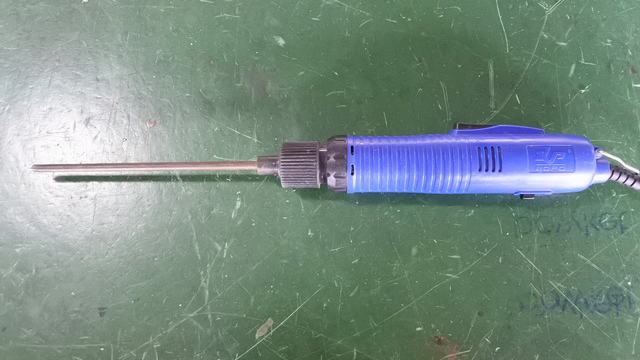
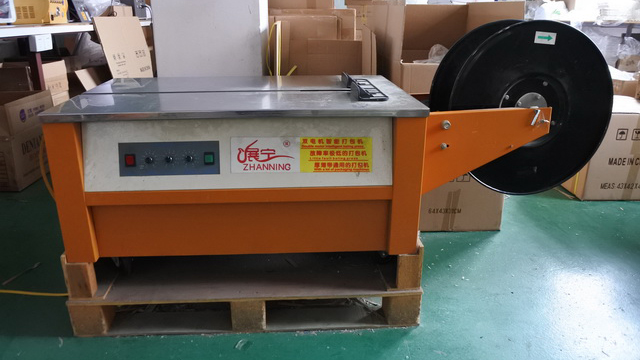
Our commitment to quality is built on strict control procedures. We manage every step of production internally, ensuring that every optical, mechanical, and electronic subsystem meets high standards before shipping. Our manufacturing process covers twelve key phases:
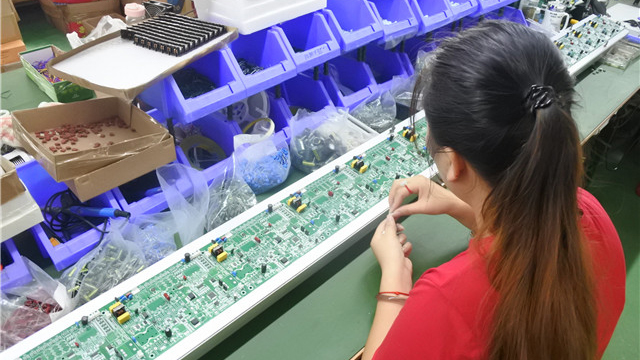
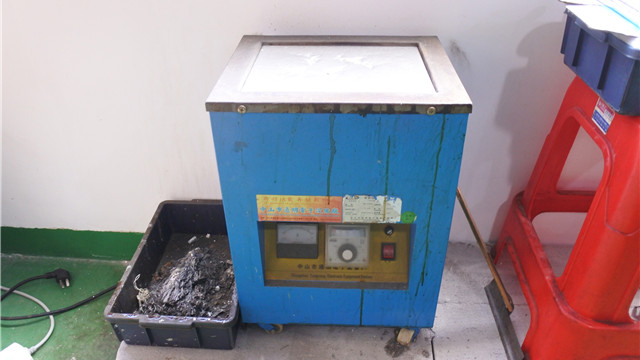
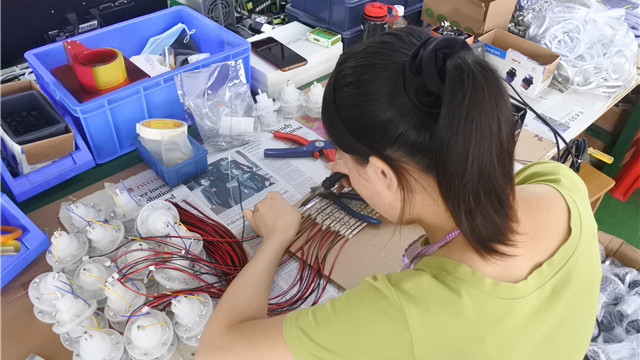
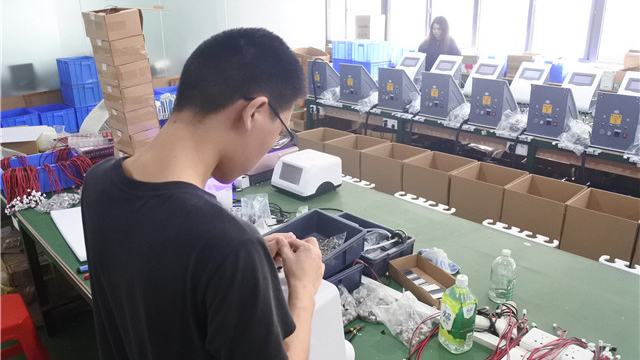
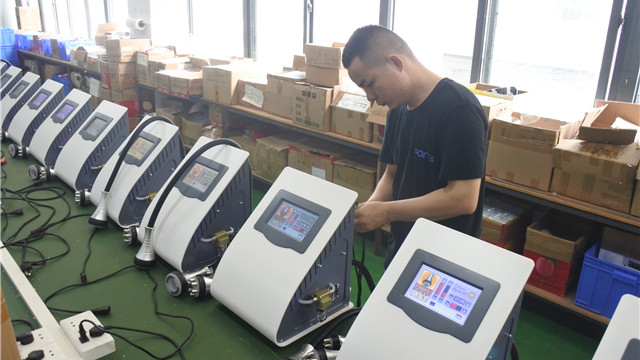
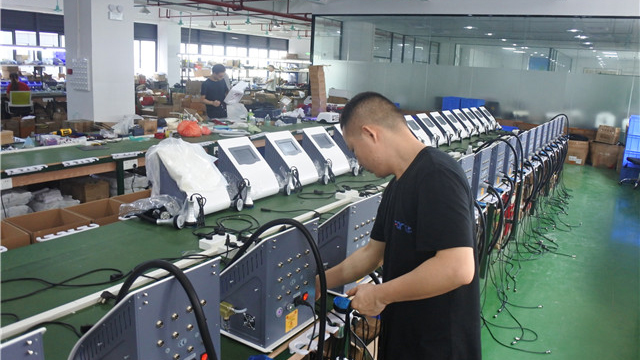
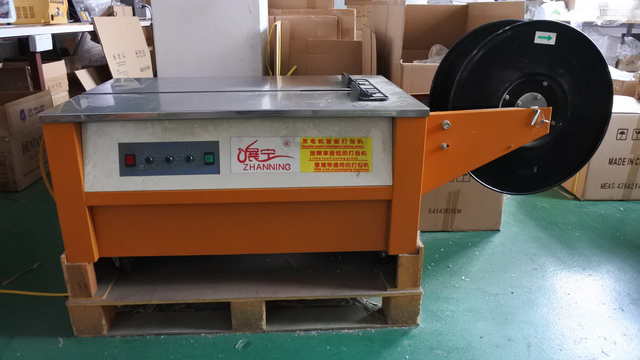
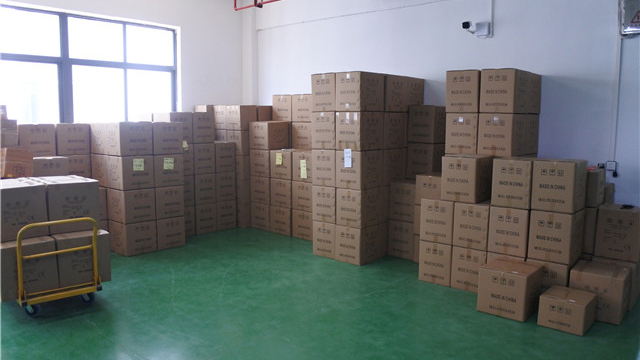

The skin diagnostics sector is moving rapidly toward artificial intelligence and predictive modeling. Traditional diagnostic platforms provide snapshot skin metrics, but the next generation of skin analysis technology uses deep-learning neural networks to deliver prognostic assessments. These advanced systems can project how a patient's skin might age over the next 5 to 10 years based on current subsurface damage.
By capturing skin data across dozens of narrow wavelength bands, hyperspectral imaging creates a precise chemical map of the dermis, identifying oxyhemoglobin, deoxyhemoglobin, and melanin layers with high clinical accuracy.
Future systems securely upload client scans to cloud-based neural networks. Comparing maps against thousands of clinical dermatological datasets ensures accurate skin classifications and eliminates practitioner bias.
Smart skin analyzers will connect directly with clinical systems like fractional lasers, RF units, and microneedles, auto-configuring energy parameters based on real-time skin thickness and moisture profiles.
At Guangzhou EssSea Beauty Co., Ltd., our engineering roadmap focuses on integrating high-resolution spectral optics directly with treatment hardware. Our goal is to build intelligent platforms that minimize user error, automate treatment recommendations, and support medical spas with reliable diagnostic data.
Clinical diagnostic equipment serves diverse roles depending on the localized operational scale and client profile of the aesthetic business:
In clinical medical settings, skin analysis systems serve as the initial step in the consultation process. They provide the objective data needed to justify medical procedures like laser resurfacing, chemical peels, and injectables, helping practitioners create structured, long-term treatment plans.
For non-medical aesthetic businesses, skin analysis tools are effective client education and sales systems. By showing clients subsurface hydration and sun damage, salons can recommend customized facials, microcurrent treatments, and retail skincare products.
Skin diagnostics are widely used by cosmetics formulation labs and product brands to track skincare efficacy. Before-and-after evaluations measure changes in moisture barriers, pigmentation, and wrinkle depth to validate product performance.
Deploying energy systems and skin diagnostic equipment internationally requires strict adherence to local safety and medical certifications. At Guangzhou EssSea Beauty Co., Ltd., we prioritize quality and global compliance across our entire portfolio, securing certifications including CE, RoHS, and US FDA 510(k) approval for key systems.
For international buyers and distributors, navigating complex import regulations can be a challenge. We provide complete support to streamline this process, including detailed technical files, EMC safety reports, and localized user guides. We also customize voltage configurations (110V/220V, 50-60Hz) to match localized grids, ensuring seamless operation in clinics worldwide.
What spectral bands are utilized in skin analysis, and what do they diagnose?
Clinical systems generally use three to five spectrum modes: RGB visible light for surface pores and wrinkles; parallel polarized light for skin texture and micro-grooves; cross-polarized light for vascular issues and red area mapping; and UV light (365nm Wood's light) for deep melanin deposition, porphyrin activity, and sebum distribution.
How do Guangzhou EssSea Beauty devices integrate with skin analysis technologies?
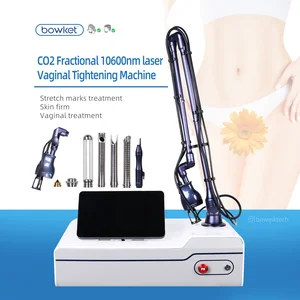
Our therapeutic machines, such as the CO2 Fractional Laser, ND Yag Laser, and RF Fractional devices, work directly alongside diagnostic assessments. Skin analysis identifies target concerns, allowing practitioners to customize system parameters for laser energy and pulse width based on patient-specific skin characteristics.
What are your OEM and ODM capabilities for international brands?
We offer comprehensive OEM/ODM services from our 2,000-square-meter facility in Guangzhou. Our 6 to 8 R&D engineers handle mechanical design, PCB engineering, software customization, and system integration. This support allows global distributors to launch custom skin analysis and therapeutic systems tailored to local markets.
What after-sales and technical support do you offer?
We provide comprehensive after-sales support, including user manuals, training videos, and live technical assistance. If a component issue occurs, we supply spare parts and guide technicians step-by-step through remote diagnostic protocols.
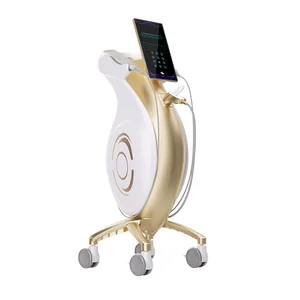
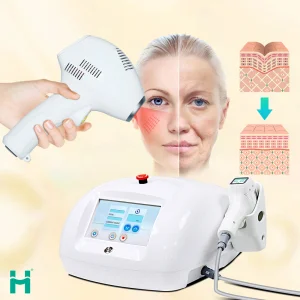
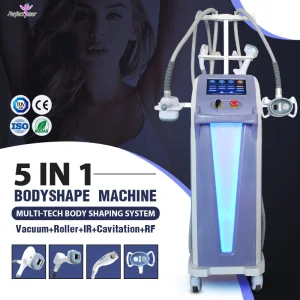
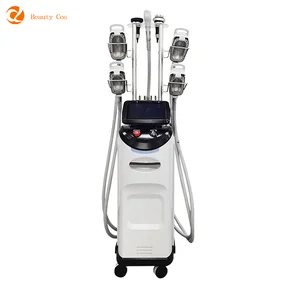
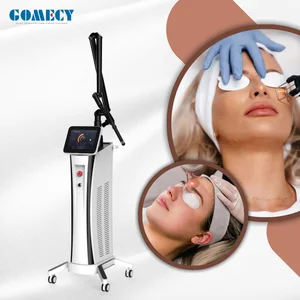
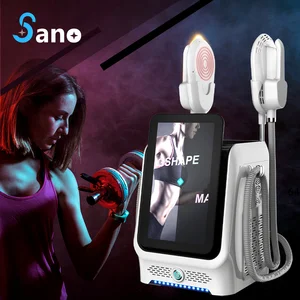
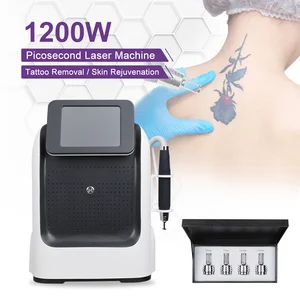
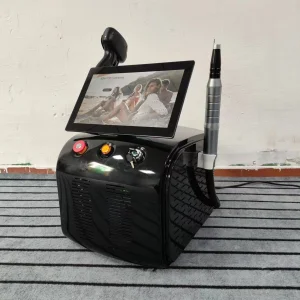
Discover our advanced systems for body contouring, facial skin tightening, and laser tattooing removal. Built with quality-calibrated components, these platforms deliver consistent results and long-term reliability.
 EssSea Beauty