Explore our highly requested medical-grade aesthetic equipment, engineered for high stability, safety, and clinical-grade results across Global Spas and Clinics.
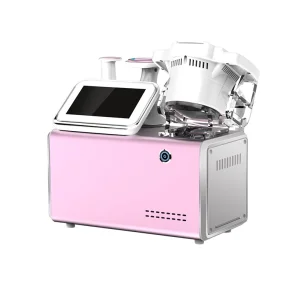
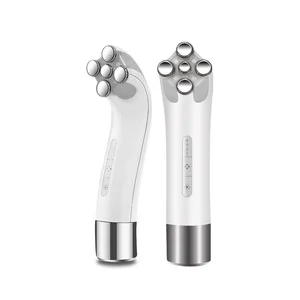
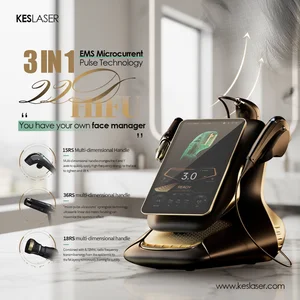
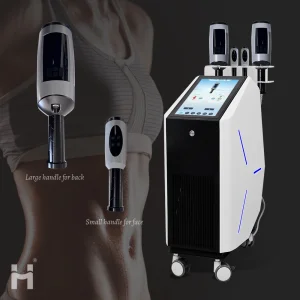
Unpacking market drivers, valuation projections, and the technological paradigm shift toward high-energy medical and home aesthetics.
The global market for therapeutic facial devices and professional body-sculpting machinery is undergoing an unprecedented expansion. Driven by a rising global aging demographic, an increasing consumer focus on non-invasive procedures, and the continuous democratization of dermatologist-level technology, the industry is projected to exceed a market valuation of USD 25 billion by 2028. This growth is sustained not only by traditional clinical hubs in North America and Western Europe but also by soaring domestic markets across the Asia-Pacific region, Latin America, and the Middle East.
Modern therapeutic devices no longer rely on single-mode treatments. The industry's technological frontier has migrated toward multi-platform systems integrating Radio Frequency (RF), High-Intensity Focused Ultrasound (HIFU), Microcurrent, LED phototherapy, and active cooling protocols. Global distributors are seeking high-efficiency partners capable of executing custom OEM/ODM projects that meet stringent safety standards (CE, FDA, RoHS, ISO 13485) while ensuring high ROI per square meter for the end-user clinics.
"The boundary between medical-grade aesthetic equipment and advanced consumer devices is fading. The contemporary buyer demands medical-grade diagnostic precision, modular adaptability, and localized treatment parameters that align with diverse patient demographics."
Why Guangzhou has emerged as the global powerhouse for aesthetic hardware fabrication and supply chain optimization.
China's dominance in the therapeutic beauty device manufacturing sector rests on two critical pillars: complete localized supply chains and unmatched engineering speed. While European or North American developers may face months-long procurement cycles for components like micro-capacitors, high-voltage transformers, or custom injection-molded casings, manufacturing hubs in South China—particularly Guangzhou—enable immediate components availability. This allows factories to design, prototype, debug, and certify complex medical-aesthetic machinery in a fraction of the traditional lead time.
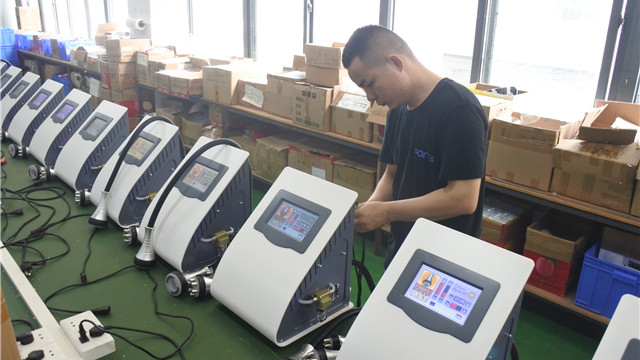
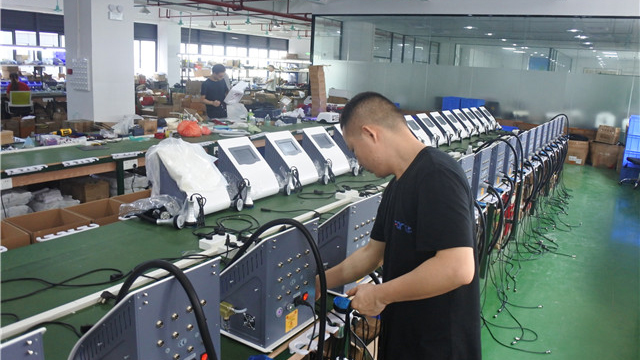
Standing at the forefront of this industrial cluster is Guangzhou EssSea Beauty Co., Ltd. Established in 2013 in Guangzhou, China, EssSea is a verified high-tech enterprise dedicated to the research, development, production, and international application of advanced aesthetic and beauty devices. Spanning over 2,000 square meters of modern facilities, the company coordinates a workforce of over 50 professionals, including a dedicated research and development team of 6 to 8 elite electro-optical and structural engineers. The company specializes in manufacturing advanced ND Yag lasers, Diode laser hair removal systems, RF fractional technologies, cavitational weight loss systems, and high-precision aesthetic lasers.
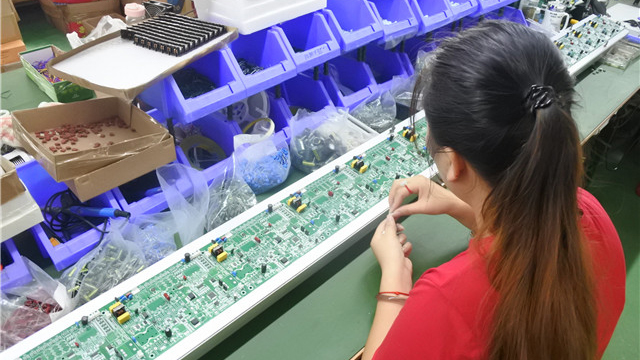
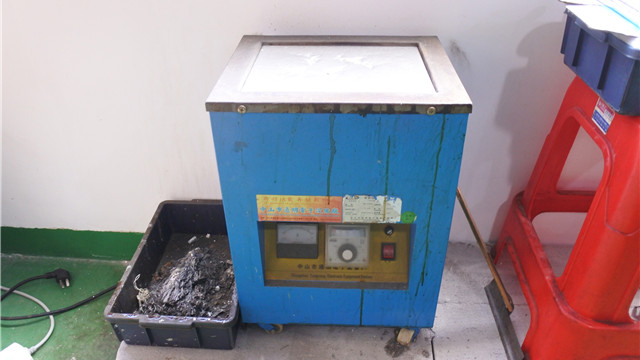
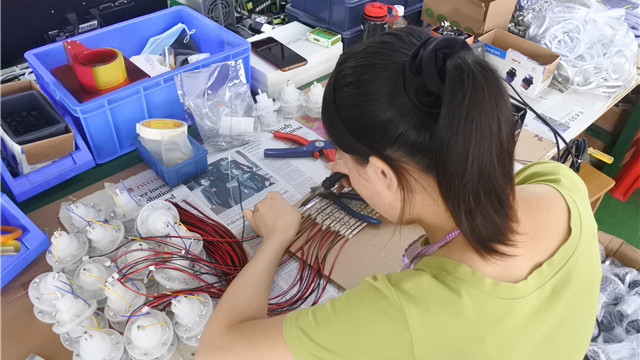
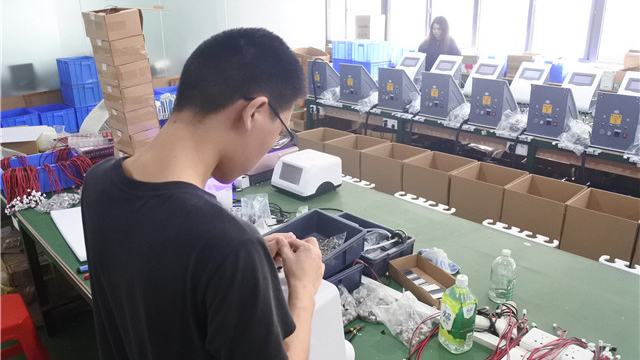
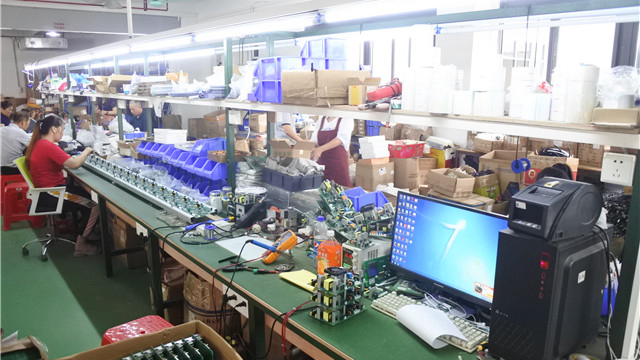
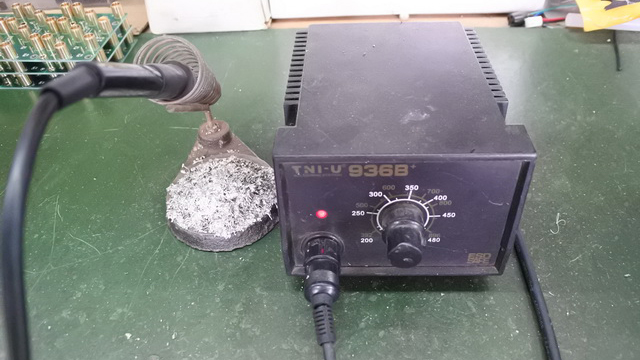
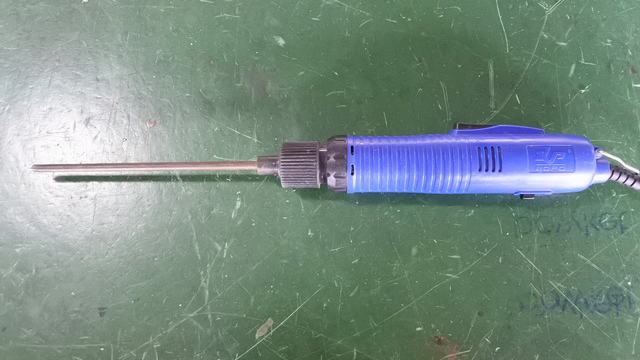
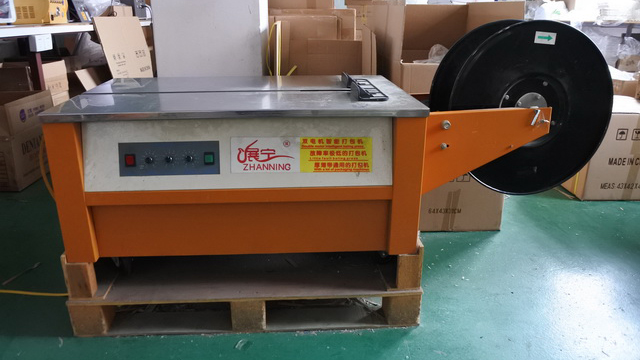
EssSea Beauty's reputation is built on strict quality control pipelines, covering everything from initial component testing to microscopic welding and extensive stress-testing of power modules. By employing advanced manufacturing workflows, such as precision tin immersion, multi-point hand welding, and dynamic electronic screwdriver calibration, the factory ensures that every system leaving the facility is optimized for long-term clinical operations.
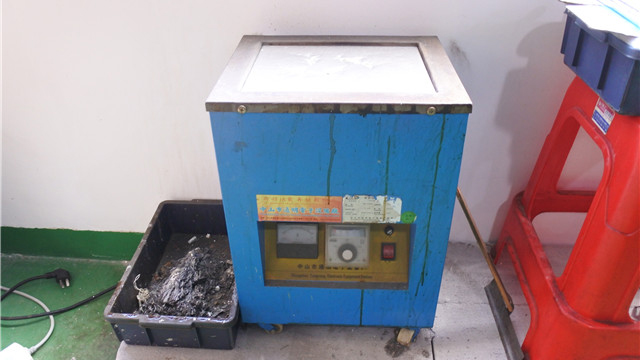
A deep clinical-technical breakdown of the primary modalities utilized in therapeutic facial and body modification devices.
To make informed purchasing decisions, global distributors must understand the biological mechanisms behind these devices. Each technology targets different layers of the dermis, subdermal fat, and muscular structure:
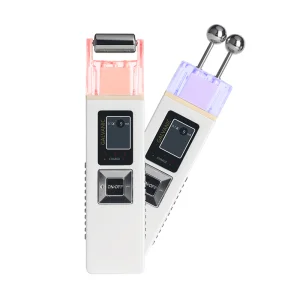
Utilizes micro-ampere currents (typically < 500 µA) to mimic the body's natural electrical impulses. This stimulates ATP (adenosine triphosphate) production, accelerating cellular repair, protein synthesis, and muscle toning in the facial SMAS layers.
Delivers high-frequency electromagnetic energy (typically 1 MHz to 5 MHz) to the dermis. The natural resistance of tissue converts this energy to heat (55°C - 65°C), triggering immediate collagen contraction and stimulating long-term neocollagenesis.
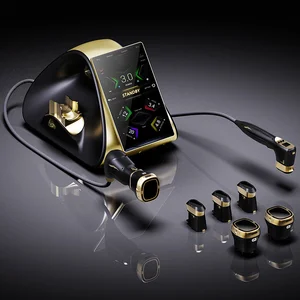
Concentrates acoustic waves at precise focal depths (1.5mm, 3.0mm, 4.5mm up to 13mm). This generates localized thermal coagulation zones (TCZs) in the SMAS layer without damaging the skin's surface, resulting in significant tissue lifting.
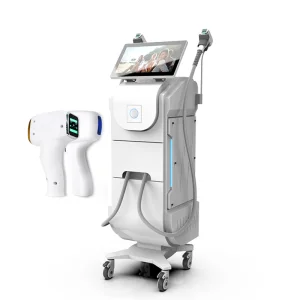
Combines three wavelengths for comprehensive hair removal. The 755nm wavelength targets superficial hair follicles, the 808nm offers deep follicle penetration, and the 1064nm wavelength ensures safe treatment for darker skin types.
Utilizes high-intensity focused electromagnetic energy to induce supramaximal muscle contractions, which are unachievable through voluntary exercise. This process stimulates rapid muscle myofibril hypertrophy while triggering fat cell apoptosis.
Emits ultra-short picosecond pulses to shatter targeted pigment particles through photomechanical force. This high-precision optical technology also has applications in glass fabrication, demonstrating the versatility of advanced laser systems.
How distinct commercial entities deploy advanced therapeutic systems to satisfy end-user requirements and regulatory expectations.
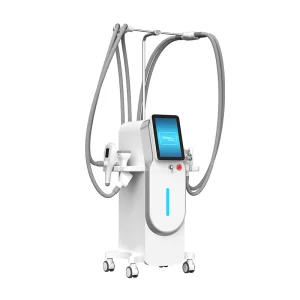
These facilities require clinical-grade, vertical machines with high power outputs and dual cooling systems. Devices like the 360MAX 25D HIFU and triple-wavelength Diode Lasers allow clinics to perform rapid, high-margin treatments. Advanced cooling interfaces minimize patient discomfort, supporting patient retention and repeat bookings.
Mobile practitioners require lightweight, durable equipment. Portable skin-tightening tools and compact microcurrent systems allow therapists to provide premium services directly to clients' homes. These systems offer the efficacy of clinical treatments in a portable, travel-friendly design.
Procuring devices for international markets requires strict adherence to safety certifications. Professional B2B buyers prioritize manufacturers like EssSea Beauty, who provide CE, RoHS, and ISO 13485 certifications. This documentation ensures compliance with local import regulations and provides liability protection for clinics and distributors.
Browse our selection of advanced aesthetic systems, featuring high-frequency body contouring systems and precision skin remodeling technologies.
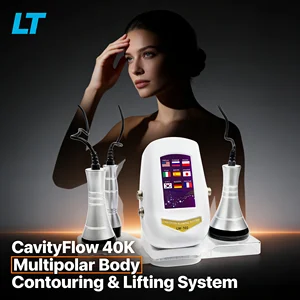
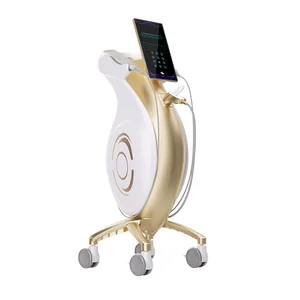
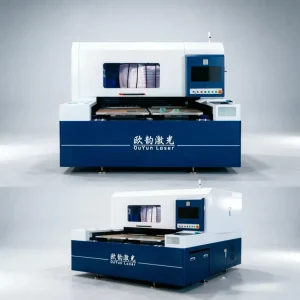
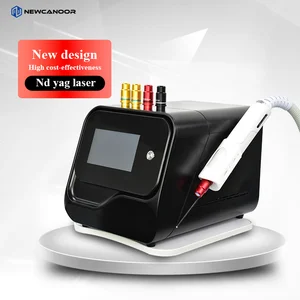
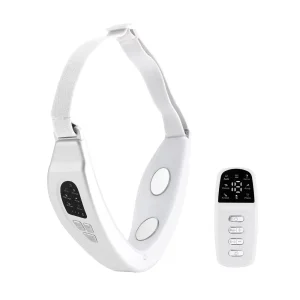
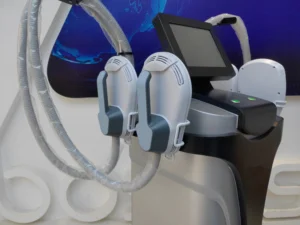
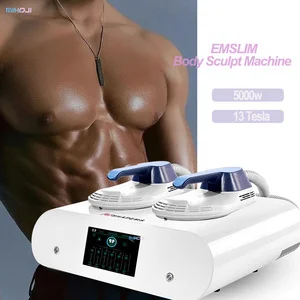
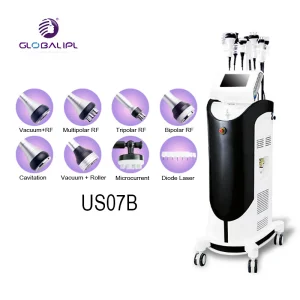
Exploring the technological advancements that will shape the aesthetic industry over the next five years.
The therapeutic device sector is evolving toward increased personalization and data integration. Key developments defining the next generation of aesthetic systems include:
Answering the most critical technical, commercial, and logistical questions from global aesthetic device buyers.
For EU imports, devices must carry a valid CE mark under the Medical Device Regulation (MDR) or show compliance with Low Voltage (LVD) and Electromagnetic Compatibility (EMC) directives for non-medical beauty systems. For US distribution, systems must be FDA cleared or registered. Materials must also comply with RoHS restrictions to prevent hazardous substances in electronic assemblies.
EssSea uses an integrated QC workflow that includes component-level screening, precision assembly, and automated testing. Every device undergoes continuous burn-in and functional validation for 48 to 72 hours under high load before packaging and shipping.
HIFU cartridges typically deliver 10,000 to 20,000 pulses, depending on the frequency, while high-quality diode laser bars provide 20 to 40 million shots. EssSea maintains a constant inventory of replacement components, allowing distributors to receive key parts quickly and minimize clinical downtime.
Yes. EssSea provides comprehensive OEM/ODM customization options. This includes software GUI localization, custom logo placement, structural casing redesigns, and modifications to energy outputs to meet the needs of specific target markets.
The presence of the Picosecond Infrared Laser Glass Cutting Machine in our catalog showcases our team's deep expertise in high-power optics and laser engineering. Developing precision glass-cutting systems requires advanced calibration of beam optics and thermal management, and we apply these same high standards to our clinical aesthetic laser lines.
Standard configurations typically ship within 7 to 10 working days. Customized OEM orders involving hardware modifications or custom branding generally require 20 to 30 days, depending on materials procurement and tooling requirements.
We provide dedicated technical support through online video diagnostics, detailed wiring diagrams, and troubleshooting manuals. For warranty issues, we ship replacement parts and modules immediately to ensure minimal disruption to clinical operations.
 EssSea Beauty