Innovative aesthetic systems designed for dermatological clinics and professional beauty salons worldwide.
Photodynamic Therapy (PDT) has transitioned from a highly specialized clinical protocol to a mainstream non-invasive treatment paradigm in global dermatology and aesthetics. Historically constrained by early-generation light sources that suffered from wide spectral margins and inconsistent thermal output, modern PDT systems utilize advanced light-emitting diode (LED) arrays capable of delivering narrow-band monochromatic light. This technological shift allows clinicians to target specific chromophores within the skin without damaging adjacent healthy tissue.
From a physiological perspective, the therapeutic efficacy of PDT relies on the target tissues' absorption of specific wavelengths. Wavelengths of 415nm (blue spectrum) stimulate endogenous porphyrins within Cutibacterium acnes, generating singlet oxygen molecules that destroy the bacteria. Meanwhile, wavelengths of 633nm (red spectrum) penetrate deeper into the dermis to stimulate cytochrome c oxidase within the mitochondrial respiratory chain, initiating ATP synthesis, fibroblast proliferation, and collagen remodeling. In professional clinical environments, multi-wavelength integration is the standard for treating acne vulgaris, actinic keratosis, photoaging, and wound healing.
For global distributors, understanding the relationship between energy densities (fluence) and treatment outcomes is key. Devices must deliver stable, high-irradiance output (typically measured in mW/cm²) to ensure that the required energy density (J/cm²) is administered within a practical clinical timeframe. High-irradiance systems reduce treatment times, improve client turnover in clinics, and increase overall profitability.
How procurement professionals evaluate optical energy systems to ensure long-term clinical safety and commercial viability.
Lower-tier LED chips suffer from wide spectral drift, which reduces treatment efficacy and risks adverse skin reactions. Premium manufacturers utilize narrow-band semiconductor arrays with a tolerance of ±5nm, ensuring targeted light absorption.
Therapeutic irradiance must remain uniform across the treatment area. Quality systems feature precise reflector arrays and optical lenses to prevent hotspots, maintaining stable power densities above 50 mW/cm².
Continuous-duty LED panels generate heat that can degrade diode lifetime and power output. Internal cooling systems, copper PCB substrates, and aluminum alloy heat sinks ensure stable light emission over long treatment sessions.
A comprehensive analysis of leading photomedicine equipment manufacturers, based on technological innovation, engineering quality, and global B2B support.
Selecting a B2B partner in the photomedicine space requires balancing hardware quality, regulatory compliance, and budget. Our evaluation highlights the industry's top players, focusing on their primary manufacturing strengths, target markets, and technology platforms.
| Manufacturer | Key Strengths | Primary Wavelengths | Compliance & Certifications | OEM/ODM Ability |
|---|---|---|---|---|
| Guangzhou EssSea Beauty Co., Ltd. | High-irradiance arrays, robust R&D, custom housings | 415nm, 590nm, 633nm, 850nm | CE, ISO 13485, RoHS compliant | Comprehensive (Full Customization) |
| Omnilux | Clinical studies, strong brand recognition | 415nm, 633nm, 830nm | FDA 510(k), CE, TGA | Limited (Standardized Catalog) |
| Dermalux | Tri-wave concurrent delivery systems | 415nm, 633nm, 830nm | Medical CE, ISO 13485 | Not Offered |
| Lutronic | High-end multi-platform integration | Multiple (Laser & LED) | FDA, CE, MDSAP | Not Offered |
| Celluma | Flexible, ergonomic shape-conforming designs | 465nm, 640nm, 880nm | FDA, CE Medical Class IIa | Very Limited |
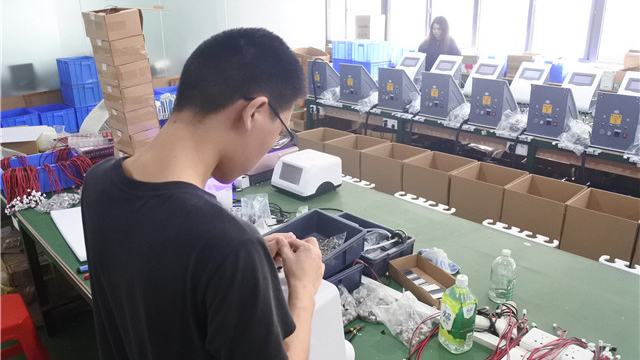
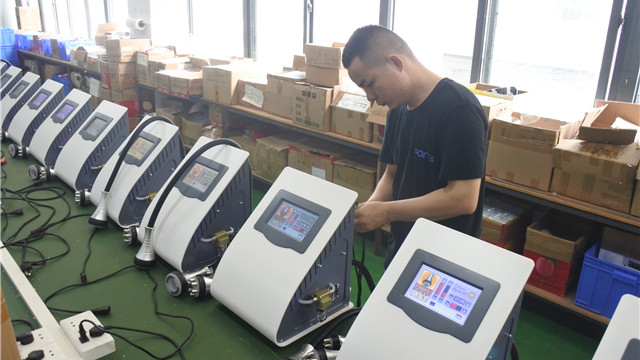
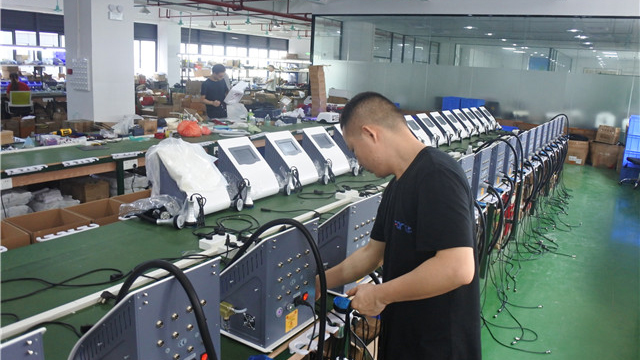
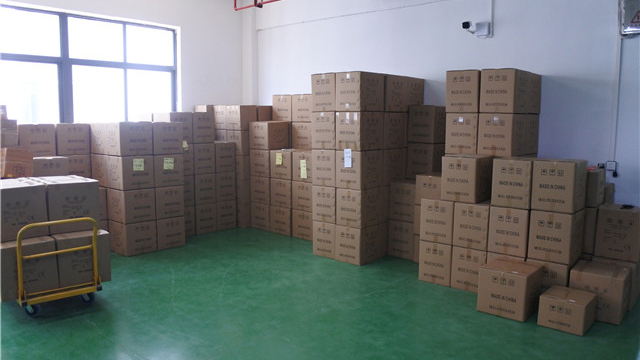
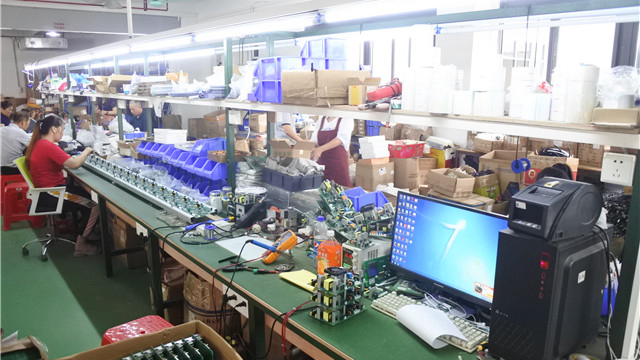
Operating a 2,000+ square meter factory in Guangzhou, China, we combine advanced optical engineering with strict quality control pipelines.
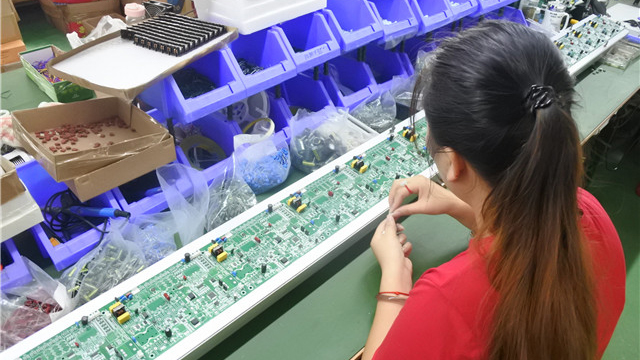
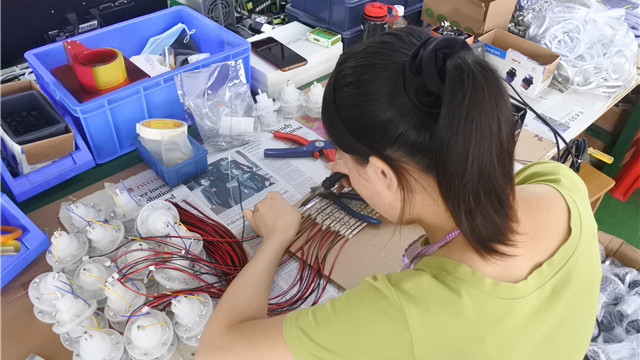
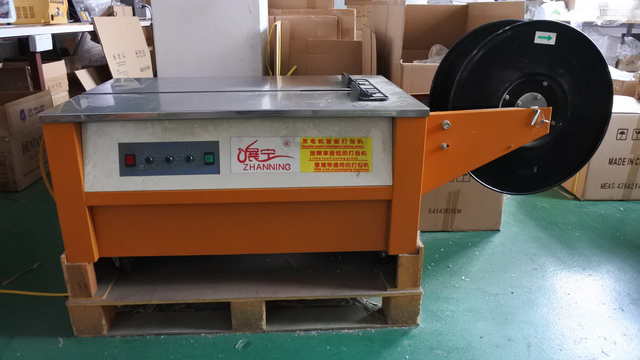
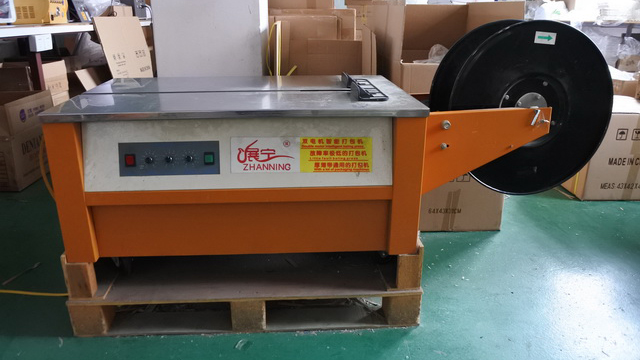
Founded in 2013, Guangzhou EssSea Beauty Co., Ltd. has established itself as a reliable OEM and ODM partner for aesthetic and medical device distributors worldwide. With a dedicated team of over 50 employees, including 6 to 8 R&D experts, we manage the entire manufacturing cycle. This extends from initial printed circuit board assembly (PCBA) to spectral wavelength validation, cabinet design, and final mechanical packaging.
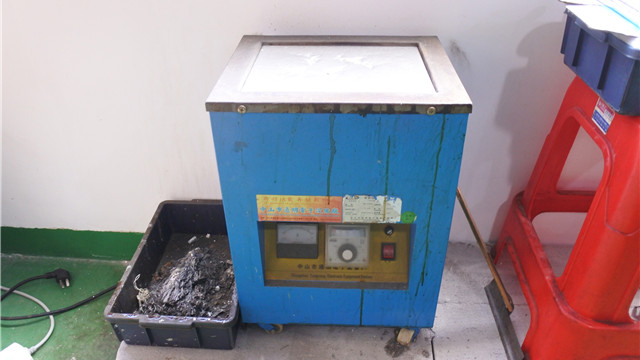
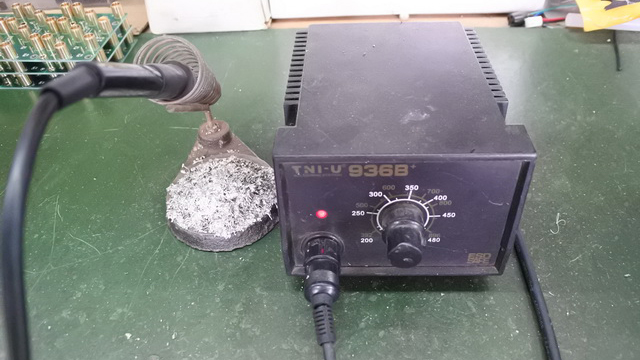
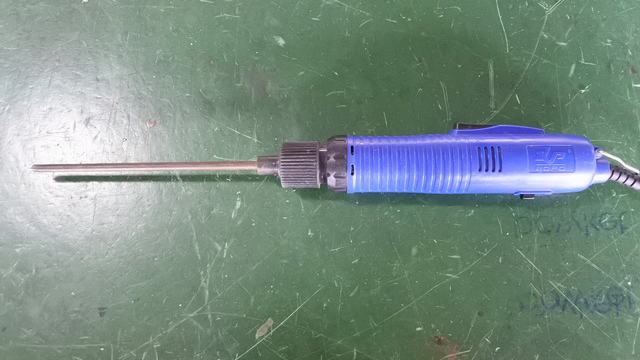
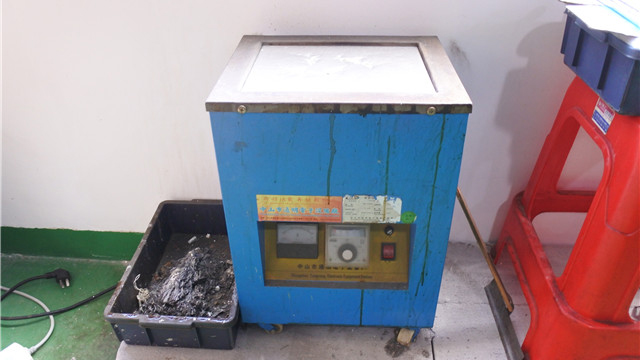
Our manufacturing workflow utilizes state-of-the-art diagnostic equipment to ensure each light-emitting element meets rigorous energy output standards. Through systematic component testing, we verify that every diode delivers stable, target-wavelength phototherapy without spectral power degradation.
The phototherapy landscape is evolving rapidly. Next-generation systems are moving beyond static emitter designs toward adaptive, sensor-driven energy delivery. The integration of skin hydration sensors and colorimetric scanners allows devices to dynamically adjust output power based on real-time skin feedback.
Additionally, multi-wavelength sequential pulsing is replacing continuous-wave delivery in clinical applications. By pulsing wavelengths (e.g., alternating 633nm and 830nm at millisecond intervals), manufacturers can reduce skin accommodation and enhance cellular signaling pathways. These technological advancements help clinics deliver better patient outcomes and improve their return on investment.
By embedding high-resolution diagnostic cameras into PDT consoles, systems can now map bacterial populations via fluorescence imaging. This capability allows the system to recommend personalized treatment durations and target areas, standardizing treatment quality across all operators.
Understanding regulatory requirements and regional standards is critical for international B2B buyers and distributors.
In the United States, PDT systems intended for acne, pain management, or wrinkle reduction must obtain FDA 510(k) clearance. B2B buyers should verify that devices are registered under the correct product codes before importing.
The transition from the Medical Device Directive (MDD) to the Medical Device Regulation (MDR) in Europe has introduced stricter requirements for aesthetic energy devices. Distributors must verify the manufacturer's technical files and CE documentation.
For APAC and the Middle East, importers often require certificates of free sale alongside ISO 13485 quality credentials. Working with a manufacturer that provides comprehensive compliance support simplifies local product registration.
Answering key technical and commercial questions for B2B buyers evaluating PDT and aesthetic laser platforms.
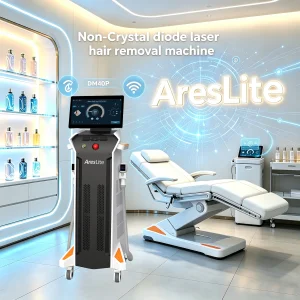
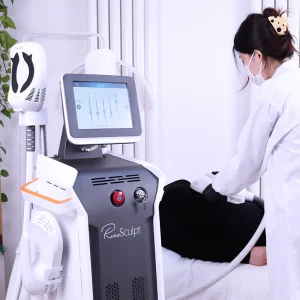
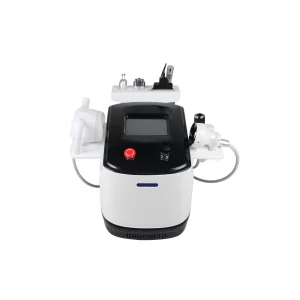
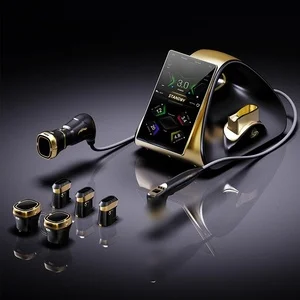
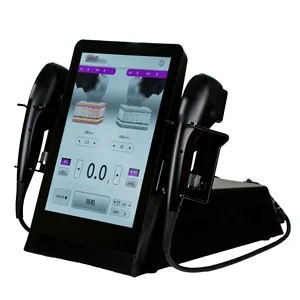
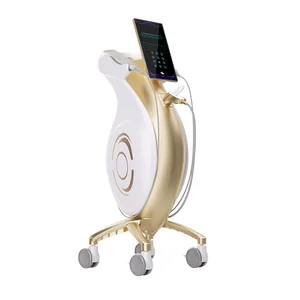
Advanced non-invasive platforms designed to expand treatment offerings and improve client outcomes in competitive markets.
 EssSea Beauty