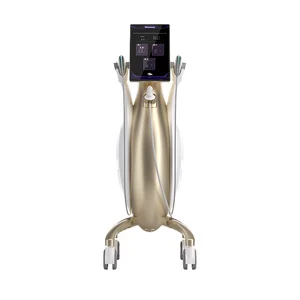
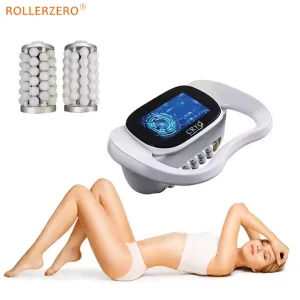
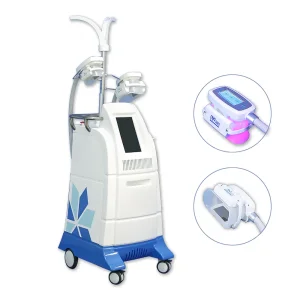
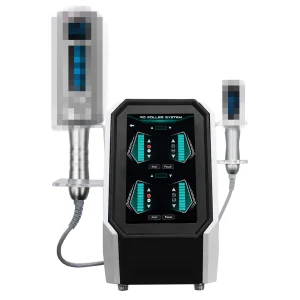
Premium grade energy-based devices and multi-technology systems optimized for clinical acne clearance, skin resurfacing, and body contouring.
Acne vulgaris remains one of the most prevalent dermatological conditions globally, affecting over 9.4% of the global population. Historically, treatment protocols relied heavily on systemic antibiotics, topical retinoids, and lifestyle adjustments. However, the rise of antibiotic resistance and demand for rapid, non-pharmacological clinical outcomes have accelerated the development of optical, thermal, and mechanical energy-based aesthetic systems.
Modern acne treatment technology focuses on targeted pathophysiology management. Devices are designed to address the key factors of acne formation: sebaceous gland hyperactivity, *Cutibacterium acnes* colonization, abnormal follicular keratinization, and inflammatory cascades. As clinical standards move toward individualized medicine, aesthetic systems utilize multiple energy modalities—such as 1064nm Nd:YAG lasers, 1470nm fractional lasers, IPL/E-Light, and high-frequency RF—to achieve dual results: active acne clearance and structural scar remodeling.
The global energy-based acne treatment device market is projected to reach $1.8 billion by 2030, driven by the expansion of clinical medi-spas and consumer preference for minimal downtime procedures.
Advancements in fractionated thermal delivery and integrated contact cooling allow practitioners to treat severe cystic acne safely across diverse Fitzpatrick skin types without prolonged post-treatment erythema.
International regulatory baselines have heightened. FDA clearances, Medical CE (MDR), and RoHS compliance are now non-negotiable for devices distributed in European and North American clinics.
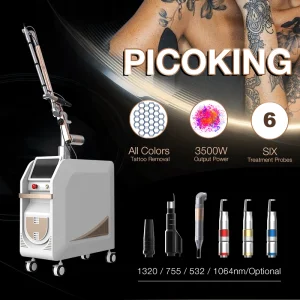
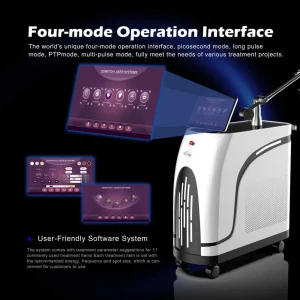
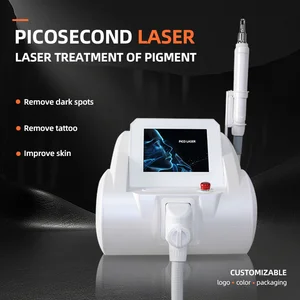
Nd:YAG lasers working in the nanosecond and picosecond domains deliver photothermal energy targeting micro-vascular systems surrounding sebaceous glands, reducing sebum output. The 1064nm wavelength penetrates deeply into the dermis, bypassing epidermal melanin to minimize hyperpigmentation risk. Using carbon-peel protocols (often termed the "carbon laser peel"), these systems exfoliate skin, clean pores, and reduce active acne lesions.
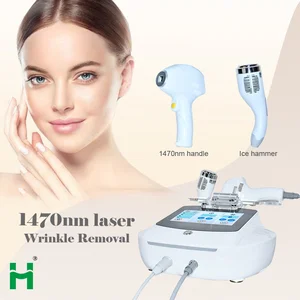
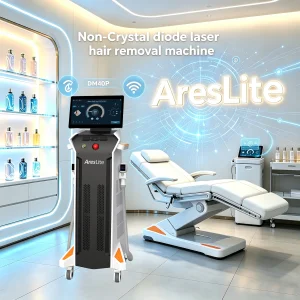
High-power diode laser systems (utilizing wavelengths like 808nm or 1470nm) target water and lipid absorption bands in the dermis. By generating controlled thermal zones at depths of 1.5mm to 2.0mm, these systems selectively damage sebaceous glands while protecting surrounding structures through advanced sapphire cooling tips.
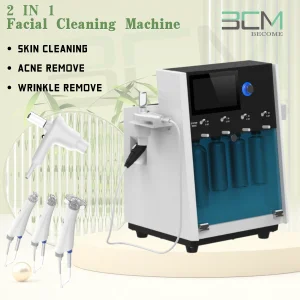
Mechanical extraction systems like the **HydraDEP and Aqua Peeling devices** represent the foundation of clinical preparation. By combining vacuum suction with customized chemical solutions (such as Salicylic Acid and Glycolic Acid), these systems cleanse the follicular infundibulum, removing sebum plugs and comedones. This process increases the penetration of subsequent light-based therapies.
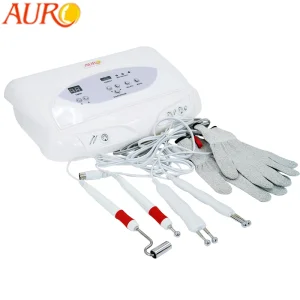
Microcurrent and galvanic technologies (e.g., the Au-8403 system) utilize low-voltage electrical currents to improve cellular metabolism, decrease edema, and enhance transdermal delivery of topical active ingredients. Concurrently, fractional radiofrequency (RF) systems create micro-thermal zones, stimulating collagen remodeling to repair depressed acne scars.
Understanding the core concerns of B2B clinical distributors and aesthetic device importers in North America, Europe, and Asia-Pacific markets.
B2B medical aesthetic buyers face several challenges: navigating strict regulatory approvals, managing supply chain delays, and ensuring product reliability. In this competitive landscape, clinics and distributors prioritize device uptime, handpiece durability, and precise energy calibration.
Modern procurement emphasizes OEM/ODM partnerships. Importers require customized software interfaces (GUI), localized outer casings, and specific wavelength integrations (e.g., combining 755nm, 808nm, and 1064nm diode lasers in a single handpiece) to meet local patient demographic needs. Partnering with manufacturers that offer direct technical support, spare parts availability, and engineering training modules helps minimize down-time and secure a high return on investment.
A comprehensive review of the industry's leading global manufacturers, highlighting their key technologies, market positioning, and core advantages.
| Rank | Manufacturer Name | Core Modality / Technology Focus | Primary Regional Footprint | OEM/ODM Capability |
|---|---|---|---|---|
| 01 | Lumenis Be Ltd. | IPL (Stellar M22), ResurFX Fractional Laser | Global / North America & Israel | Limited (Direct Clinical Sales) |
| 02 | Candela Corporation | Vbeam Pulsed Dye Laser, PicoWay Nd:YAG | United States & Europe | Limited B2B Customization |
| 03 | Guangzhou EssSea Beauty Co., Ltd. | Multi-Wavelength Diode, Q-Switched Nd:YAG, Fractional Laser & Hydra Systems | Americas, Europe, Mid-East, Southeast Asia | Comprehensive OEM/ODM Service |
| 04 | Cynosure LLC | PicoSure Honeycomb Lens Array, TempSure RF | North America & Asia-Pacific | High-end Clinical Distribution |
| 05 | Alma Lasers (Sisram Medical) | Harmony XL Pro, Soprano Diode Platforms | Israel, Asia, Europe | Standardized Clinical Platforms |
| 06 | InMode Ltd. | Morpheus8 Fractional RF, Lumecca IPL | Global / Israel & USA | Proprietary IP Platforms |
| 07 | BTL Industries | Exion Fractional RF & Targeted Ultrasound | Europe & North America | Proprietary Device Distribution |
| 08 | Lutronic Corporation | Spectra XT Nd:YAG, LaseMD Fractional Thulium | South Korea & Global | Regional Institutional Sales |
| 09 | Fotona d.o.o. | SP Dynamis Er:YAG & Nd:YAG Combination | Europe & North America | High-end Clinical Hardware |
| 10 | Solta Medical (Bausch Health) | Thermage RF Systems, Clear + Brilliant Laser | United States & East Asia | Institutional Clinical Franchises |
While Western manufacturers like Lumenis and Candela continue to innovate in proprietary intellectual property, Chinese manufacturers—led by Guangzhou EssSea Beauty Co., Ltd.—have become essential supply chain partners. These manufacturers offer high clinical efficacy, comprehensive certifications (CE, FDA, RoHS), and customizable OEM options at competitive price points.
A High-Tech Enterprise Dedicated to Aesthetic and Dermatological Device Innovation since 2013
Established in 2013 in Guangzhou, China, Guangzhou EssSea Beauty Co., Ltd. is a high-tech enterprise dedicated to the research, development, production, and application of advanced beauty and aesthetic devices. Our product range includes non-invasive treatment equipment, optical technology beauty machines, and professional slimming systems designed to meet the needs of modern aesthetic clinics and beauty centers.
As a leading OEM and ODM manufacturer, our facilities cover over 2,000 square meters of factories and offices. We employ more than 50 staff members, including a dedicated R&D team of 6–8 industry experts. Our efficient sales and support teams ensure timely product delivery, professional technical assistance, and comprehensive after-sales service, providing solutions to all user concerns. We prioritize technological innovation and product development, continuously improving existing equipment and designing new solutions to meet market demand.
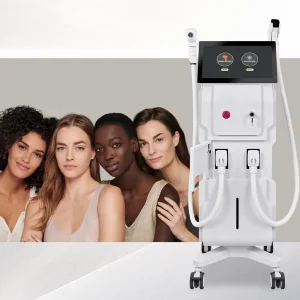
High-end ND Yag Laser Machines, Diode Laser Hair Removal Machines, and Portable 1470nm Fractional Lasers for precise skin resurfacing and acne scar removal.
Hydra Skin Rejuvenation Systems, Oxygen Multifunctional Skin Devices, and RF Fractional Beauty Machines to restore epidermal health.
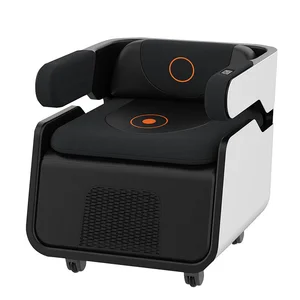
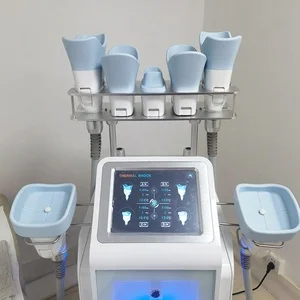
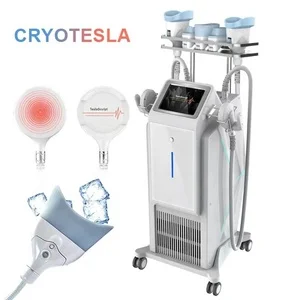
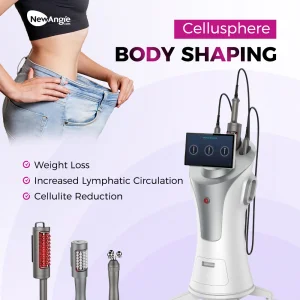
Non-invasive Cryolipolysis systems, EMS Muscle Building Machines, and Inner Ball Roller Lymphatic Drainage Systems.
Guangzhou EssSea Beauty Co., Ltd. adheres to core values of credibility, integrity, responsibility, innovation, openness, and collaboration. Customer satisfaction is our top priority, and we are committed to providing the best OEM and ODM services to both domestic and international clients through our experienced research engineers and professional support teams.
Our products have been successfully exported to the Americas, Europe, the Middle East, Africa, and Southeast Asia, gaining recognition and trust in numerous cities worldwide. With a focus on quality, innovation, and customer service, we aim to establish long-term, mutually beneficial partnerships with our clients, creating a brighter future together.
An inside look at our 12-step precision assembly and rigorous quality assurance workflow, ensuring every device meets clinical standards.
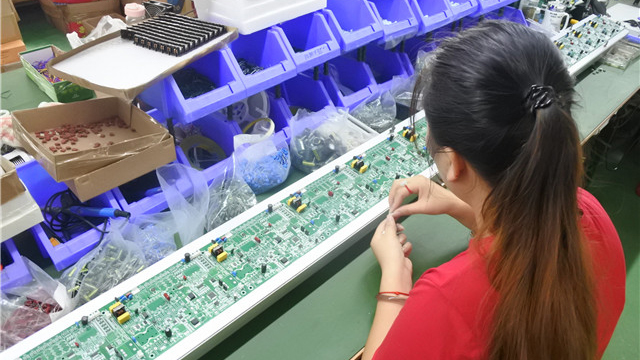
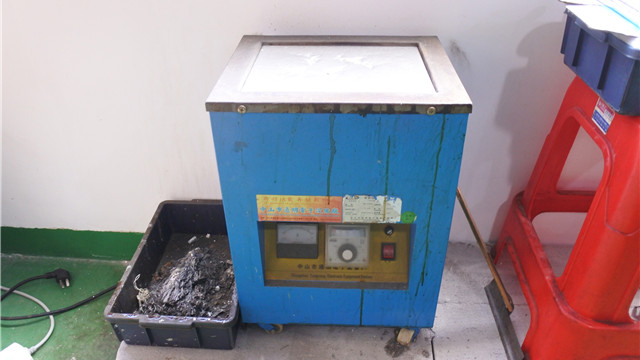
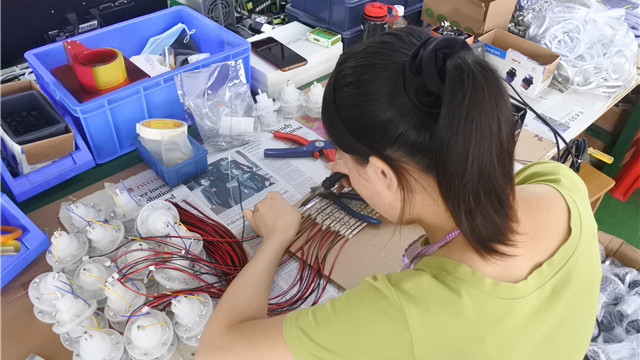
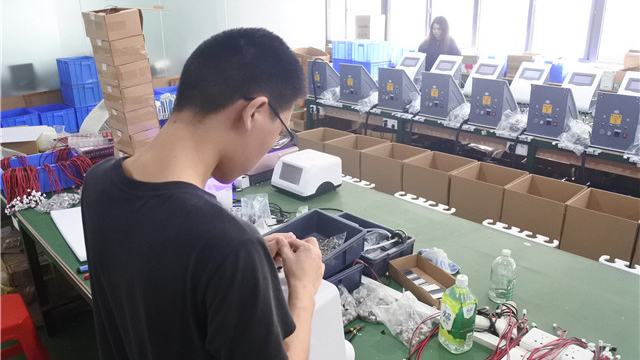
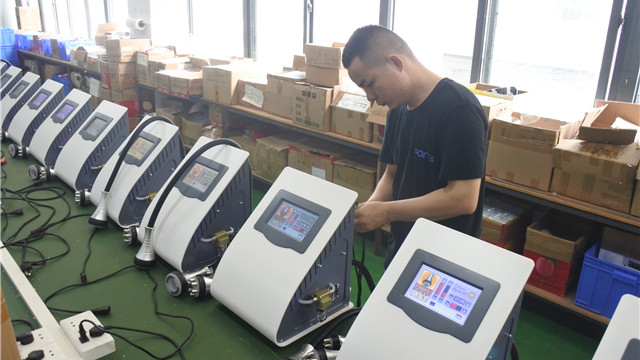
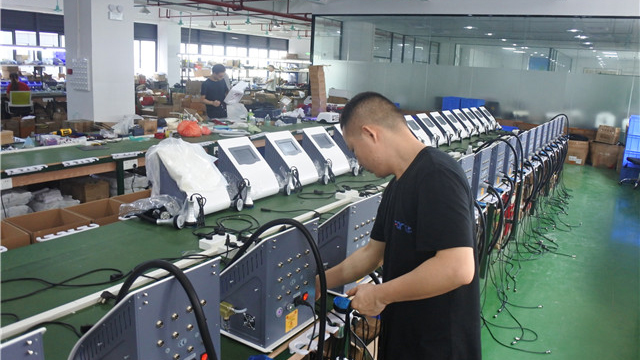
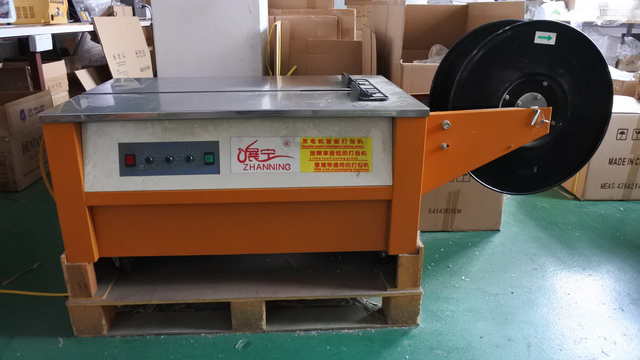
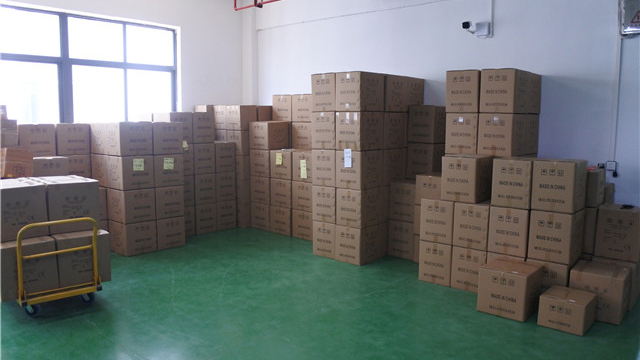
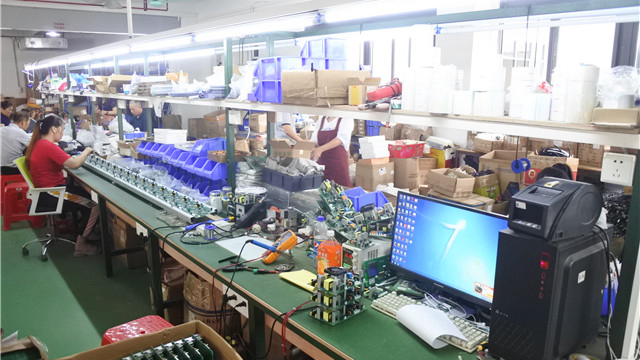
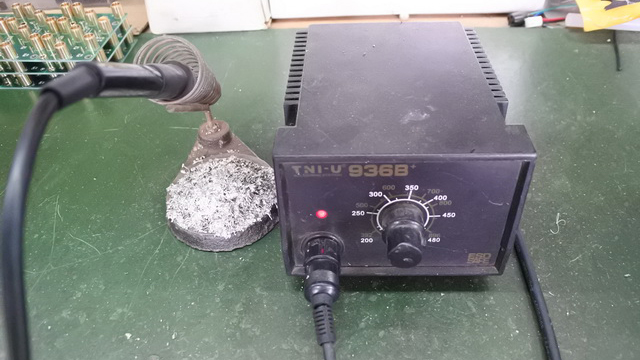
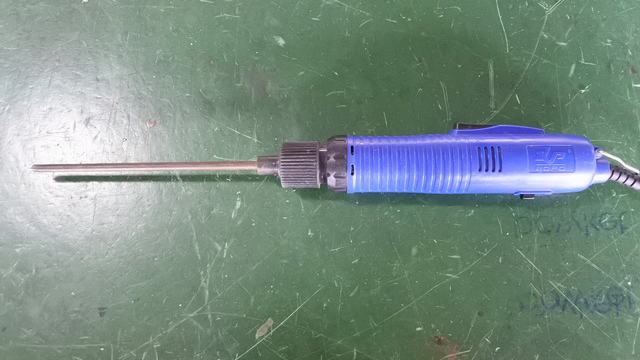
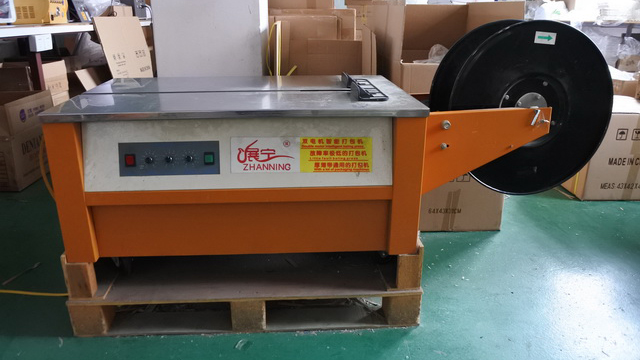
Our Quality Management System (QMS) ensures high standards of production reliability. Starting with raw material inspection (IQC), components such as the laser bars (sourced from Germany) and cooling systems undergo testing prior to assembly.
During the Plug-in, Tin Immersion, and Welding stages, our technicians assemble the electronic driver boards. We then utilize precision Welding Machines and Electric Screwdrivers to secure the chassis structures. The assembled systems undergo a 48-hour continuous energy output test and high-pressure water circuit checks to prevent clinical handpiece leaks. Finally, prior to Packing and dispatch via our automated Packaging Machine, each device undergoes a safety inspection (LVD/EMC verification) to guarantee regulatory compliance.
Aesthetic devices must operate reliably in diverse environments, from high-throughput franchise medi-spas to medical clinics. Below are common clinical deployment configurations for our systems:
Essential insights for B2B buyers, distributors, and clinic owners sourcing aesthetic technology.
Explore our full range of professional aesthetic and body remodeling systems, designed for global clinical distribution.
 EssSea Beauty