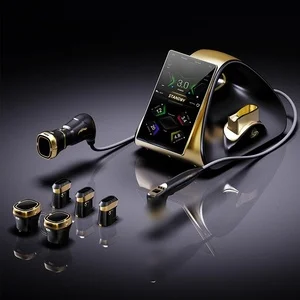
Explore our cutting-edge configurations manufactured in our advanced Guangzhou production line.
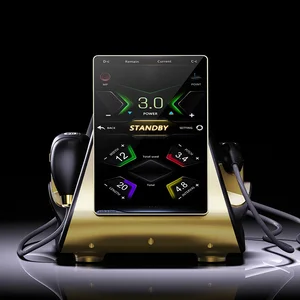
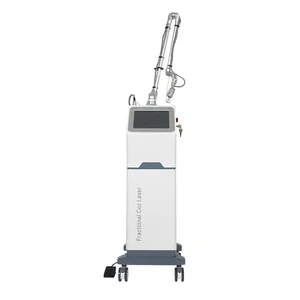
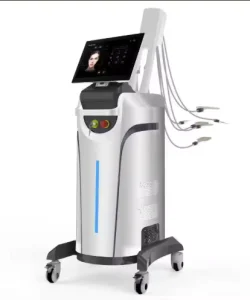
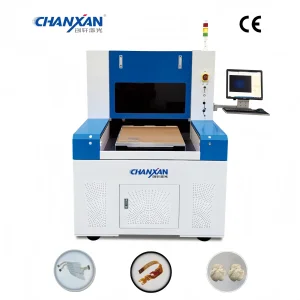
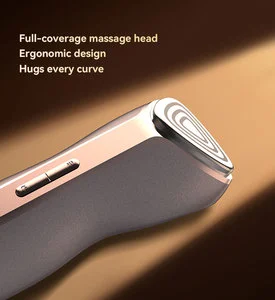
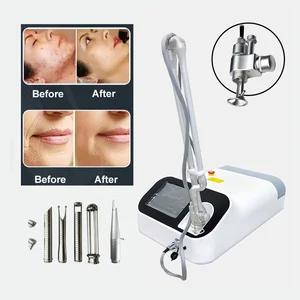
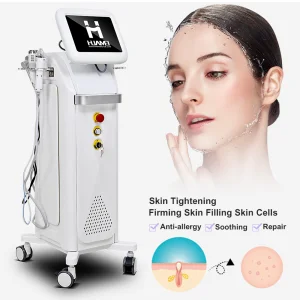
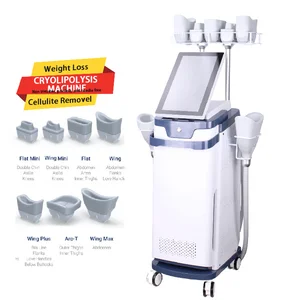
Picosecond laser technology represents a monumental shift in dermatological and industrial material fabrication paradigms. By delivering ultra-short optical pulses in the picosecond domain (10-12 seconds), these advanced systems achieve peak energy delivery thresholds that conventional Q-switched nanosecond lasers simply cannot match. This mechanism relies on a photoacoustic shockwave rather than photothermal heat accumulation.
In clinical contexts, such as tattoo removal, hyperpigmentation treatments, and fractional skin rejuvenation, this photoacoustic effect shatters targeted melanin or exogenous pigment into microscopic particles that the body's lymphatic system can readily clear. Because the laser interaction duration is far below the Thermal Relaxation Time (TRT) of human tissue, collateral thermal damage is virtually eliminated, yielding minimal risk of post-inflammatory hyperpigmentation (PIH).
"The shift from photothermal to photomechanical destruction is the defining feature of high-end picosecond systems. For B2B buyers and clinical distributors, verification of pulse duration stability at the factory level remains the single most important factor ensuring clinical efficacy and safety."
Furthermore, the applicability of this technology transcends medical cosmetics. Ultra-short pulse lasers are critical in high-precision micro-machining, including the cutting of Polyimide (PI) films, copper-clad laminates, and metal foils for flexible electronics. The zero-thermal-impact footprint allows clean edges down to the micrometer level.
Our profile, manufacturing capability, and core capabilities as a leading high-tech manufacturer.
Established in 2013 in Guangzhou, China, Guangzhou EssSea Beauty Co., Ltd. is a high-tech enterprise dedicated to the research, development, production, and application of advanced beauty and aesthetic devices. We specialize in non-invasive treatment equipment, optical technology beauty machines, and professional slimming systems designed to meet the demands of modern aesthetic clinics, medical spas, and industrial procurement agents globally.
Operating from a state-of-the-art facility covering over 2,000 square meters of factories and offices, we employ more than 50 highly skilled staff members. This includes a dedicated R&D team consisting of 6 to 8 optical, mechanical, and electrical engineering experts. Our specialized team is constantly improving existing configurations and designing new, market-driven therapeutic solutions.
We manage customer relationships through core values: credibility, integrity, responsibility, innovation, openness, and collaboration. Customer satisfaction is our highest priority, which drives us to offer extensive OEM and ODM services to overseas and domestic partners.
Our products are successfully exported to the Americas, Europe, the Middle East, Africa, and Southeast Asia. We maintain long-term partnerships built on trust, robust warranty structures, and timely technical support.
By controlling the source component assembly—ranging from high-power diode bars sourced from Germany to reliable capacitors from Japan—we guarantee that our platforms operate with maximum stability even in high-throughput clinics.
A transparent look inside our manufacturing pipeline. We follow strict quality control protocols to ensure clinical stability.
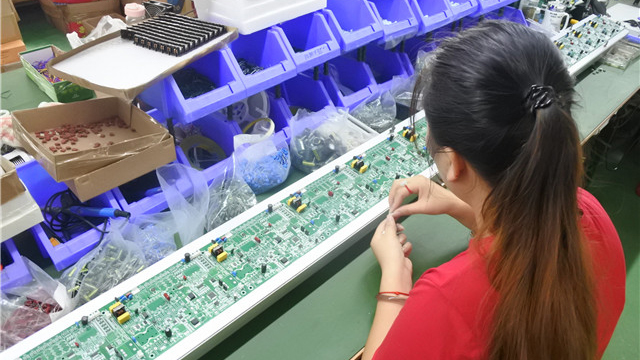
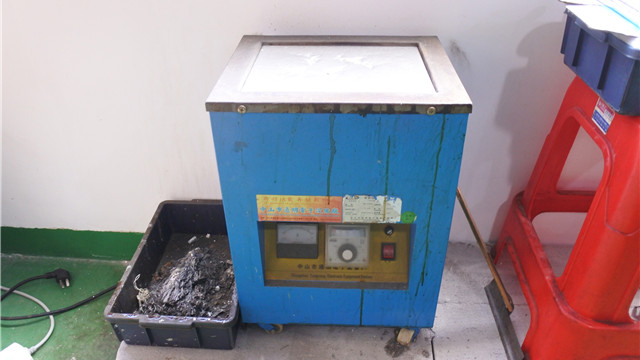
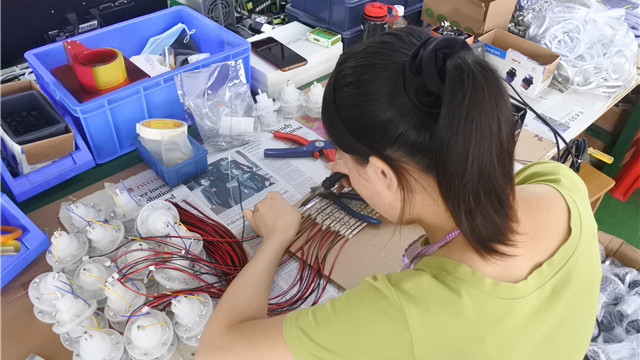
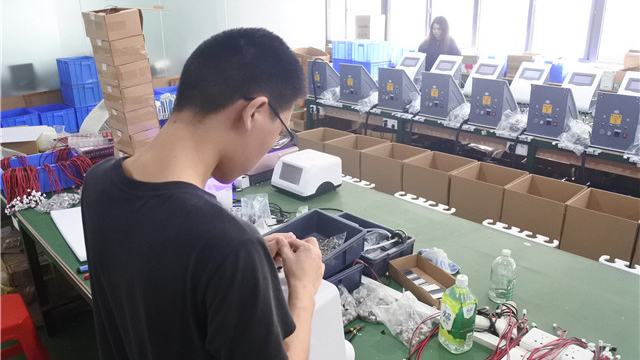
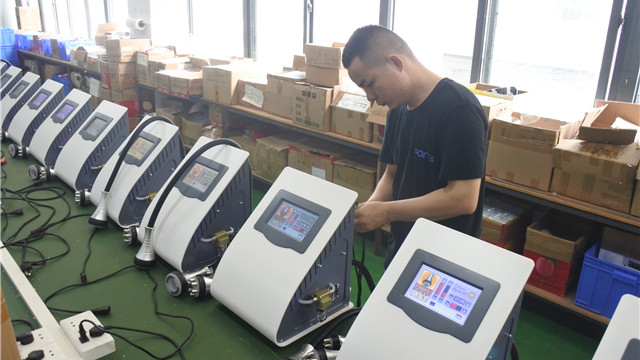
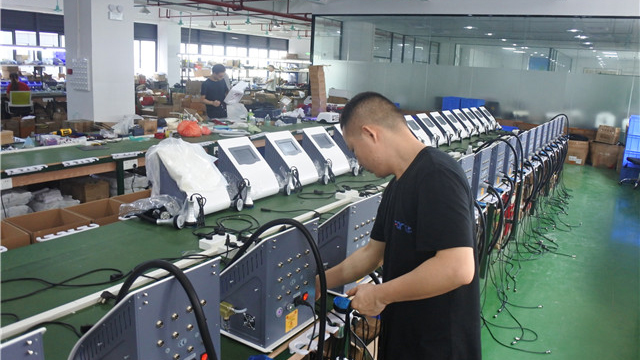
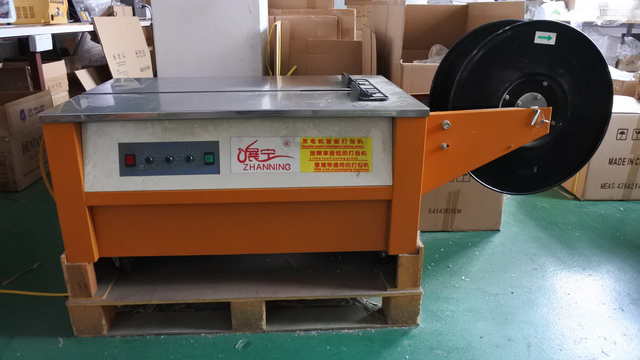
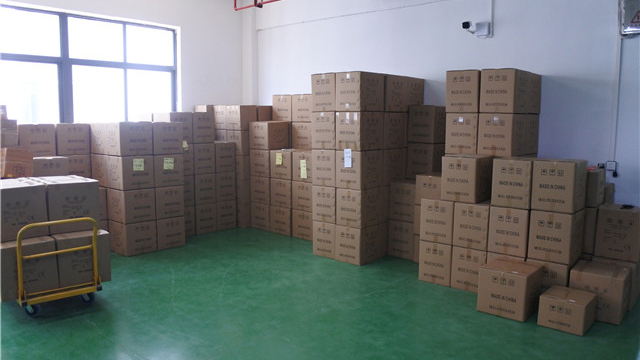
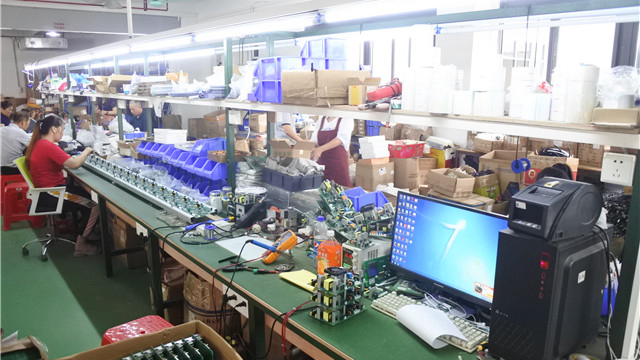
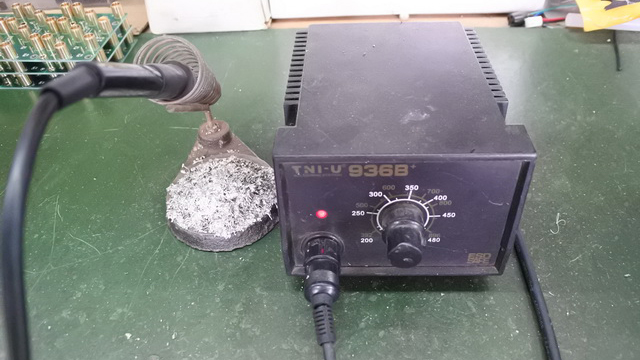
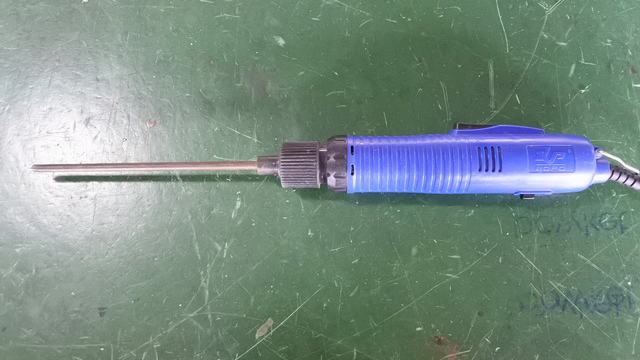
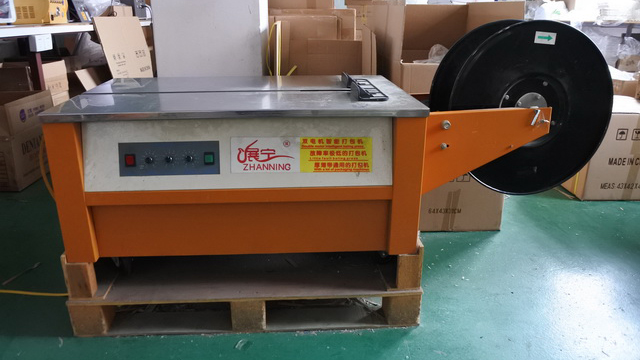
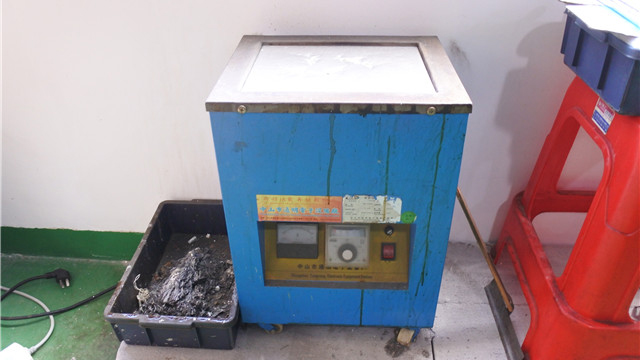
Laser arm alignment is performed in a clean-room environment. Because picosecond pulses rely on a precise optical pathway through articulated arms (often imported from South Korea), minor dust micro-particles can cause energy hot-spots. Our strict assembly testing prevents laser lens damage and ensures energy output balance across thousands of treatment hours.
Understanding the differences in energy delivery, clinical outcomes, and hardware components.
Shifts the clinical mechanism of action from heating targeted cells to acoustic mechanical fragmentation. The rapid rise in temperature inside the target particle creates high pressure, causing it to collapse into dust.
Operating between 300 to 500 picoseconds, these lasers allow dermatologists to use lower laser fluences while achieving equivalent or superior clearing compared to older nanosecond platforms.
Through specialized micro-lens arrays (MLA) or diffractive focus lenses, picosecond lasers generate Laser-Induced Optical Breakdown (LIOB) in the epidermis/dermis without damaging the stratum corneum.
China's picosecond laser manufacturing ecosystem has evolved from component assembly to advanced in-house R&D. Historically, Western medical brands dominated clinical laser sales due to proprietary optical designs. Today, Chinese manufacturers leverage local optic supply chains alongside imported key components (e.g., German laser bars, Japanese capacitors, and Korean articulated guiding arms) to build competitive high-performance systems.
By sourcing from Guangzhou EssSea Beauty Co., Ltd., international clients bypass middlemen markups, gaining direct access to technical support and customizeable OEM/ODM chassis, software, and light delivery optics. This significantly lowers clinic barrier-to-entry while maintaining compliance with major safety standards.
A B2B checklist for optical parameter validation, safety certifications, and supply chain logistics.
When importing clinical energy-based devices, compliance is critical. A reputable manufacturing plant must provide verified certifications depending on the destination market:
Before signing an OEM contract, distributors should verify the following engineering details:
1. Energy Calibration: Request proof of energy uniformity across the beam profile (e.g., a flat-top beam profile is superior to Gaussian beams for tattoo removal).
2. Cooling Integration: Look for dual compressor or TEC cooling loops to ensure the system operates reliably during long clinic shifts.
3. Handpiece Optic Guarantees: Articulated light-guiding arms require shockproof packaging to prevent lens misalignment during international transit.
Addressing the technical, clinical, and logistical questions most frequently asked by global B2B buyers.
A true picosecond laser operates with a pulse width of less than 1 nanosecond (commonly between 300ps to 750ps). This extremely fast pulse generates high peak power, resulting in a photomechanical (photoacoustic) reaction that shatters pigments without causing thermal damage to the surrounding skin. In contrast, nanosecond lasers rely more on photothermal energy, which heats the target tissue and carries a higher risk of side effects like scarring or hyperpigmentation.
Our multi-wavelength systems typically feature 1064nm (ideal for deep pigments and dark ink tattoo removal) and 532nm (for superficial red, orange, and yellow pigments). Many systems also support 755nm (highly selective for melanin) and 585nm/650nm dye handpieces, allowing clinics to treat a wide spectrum of pigment depths and tattoo colors.
We use high-grade components, including German-engineered diode arrays, heavy-duty Japanese capacitors, and custom-calibrated optical lenses. Our production process includes a multi-step quality assurance protocol featuring tin immersion, precise laser welding, and high-energy stress testing. Every machine undergoes 72 hours of continuous power testing before final packing.
We offer extensive OEM/ODM support, including hardware modifications (custom outer shells, custom branding, and custom colorways), software interfaces (multi-language support, custom UI layouts, and parameter pre-sets), and optical component configurations (articulated arm selections, spot size adapters, and custom wavelengths).
All Guangzhou EssSea Beauty machines come with a comprehensive 1-year warranty. We provide 24/7 technical troubleshooting support via video calls, supply spare parts, and offer digital operation manuals and clinical training resources to ensure your technical staff can operate and maintain the systems with confidence.
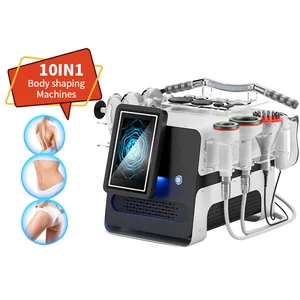
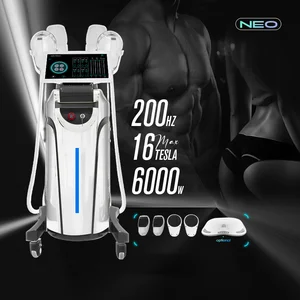
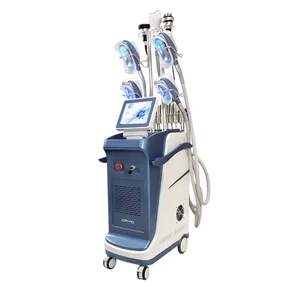
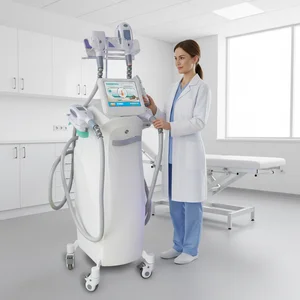
Explore our multi-functional solutions, body contouring systems, and laser options for clinics and distributors.
 EssSea Beauty