
Hyperpigmentation, particularly solar lentigines (commonly referred to as age spots, senile freckles, or liver spots), represents one of the fastest-growing therapeutic fields within the global non-invasive aesthetic industry. Driven by an aging baby-boomer demographic, increasing exposure to solar ultraviolet radiation, and a rising awareness of dermatological health, the demand for high-performance pigment clearance systems has expanded rapidly.
In Western Europe and North America, the market is characterized by a shift from temporary topical therapies to permanent, technology-driven physical treatments. Aesthetic clinics and dermatology practices are investing heavily in light-based and energy-based medical devices to satisfy patients demanding high-speed clearance with minimal downtime. Industrially, the manufacture of these systems requires extreme electronic and optical precision, involving high-voltage stability, solid-state laser physics, and advanced cooling mechanisms. Leading clinical institutes rely on B2B partnerships with established original equipment manufacturers (OEMs) and original design manufacturers (ODMs) to bridge the gap between scientific advancement and commercial viability.
Information Gain Key Metric: Research shows that modern patients prioritize non-thermal mechanical pigment breakdown (photoacoustic effects) over thermal coagulative therapies, as it drastically reduces the incidence of Post-Inflammatory Hyperpigmentation (PIH), especially in Fitzpatrick Skin Types III-VI.
The technological progression of age spot removal systems is governed by the law of selective photothermolysis. Over the past decade, several trends have emerged that define the current generation of machinery:
Understanding localized regulatory environments and patient demographics is essential for distributors and clinic operators alike:
North American Medspas: High clinical output and marketing requirements favor rapid-fire, high-wattage desktop and portable picosecond lasers. Treatments are often packaged as fast lunch-break procedures, demanding robust engineering that can run continuously without overheating.
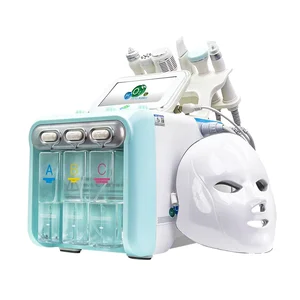
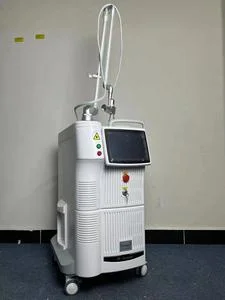
European Medical Aesthetics: Strongly regulated by CE MDR, European practices emphasize patient safety, energy calibration, and device durability. There is a strong demand for multi-functional systems like 7-in-1 Hydrodermabrasion and Fractional CO2 systems that can treat pigmentation alongside overall skin texture restoration.
Asia-Pacific & Middle East: High melanin density in Asian and Middle Eastern populations (Fitzpatrick Skin Types IV-VI) makes them prone to hyperpigmentation under aggressive thermal treatments. Consequently, clinical centers prioritize gentle, low-fluence Nd:YAG lasers, Q-Switched Picolasers, and RF Skin Tightening devices that bypass direct heat-induced epidermal shock.
The engineering of aesthetic and laser systems is moving toward intelligent, adaptive frameworks. Over the next five years, we anticipate three major breakthroughs in the development of pigment-removal devices:
| Technology Pillar | Current Standard (2025) | Future Standard (2030) | Clinical Value |
|---|---|---|---|
| Diagnostic Integration | Visual inspection & manual parameter setup | AI-assisted real-time skin melanin index analysis | Automated energy calibration, zero over-treatment risk |
| Pulse Width | 450ps - 750ps Picosecond pulse widths | Ultra-short sub-300ps photoacoustic pulses | Enhanced mechanical pigmentation shattering |
| Energy Source | Traditional flashlamp-pumped chambers | Solid-State Diode-Pumped (DPSS) modules | Lifespan up to 30 million shots, minimal maintenance |
Guangzhou EssSea Beauty Co., Ltd. was established in 2013 and is located in Guangzhou, China. We are a high-tech enterprise dedicated to the research, development, production, and application of advanced beauty and aesthetic devices. Our product range includes non-invasive treatment equipment, optical technology beauty machines, and professional slimming systems designed to meet the needs of modern aesthetic clinics and beauty centers.
As a leading OEM and ODM manufacturer in Guangzhou, Guangzhou EssSea Beauty Co., Ltd. covers over 2,000 square meters of factories and offices and employs more than 50 staff members, including a dedicated R&D team of 6–8 experts. Our efficient sales and support teams ensure timely product delivery, professional technical assistance, and comprehensive after-sales service, providing solutions to all user concerns. We prioritize technological innovation and product development, continuously improving existing equipment and designing new solutions to meet market demand.
Our specialization includes:
Guangzhou EssSea Beauty Co., Ltd. adheres to core values of credibility, integrity, responsibility, innovation, openness, and collaboration. Customer satisfaction is our top priority, and we are committed to providing the best OEM and ODM services to both domestic and international clients through our experienced research engineers and professional support teams.
Our products have been successfully exported to the Americas, Europe, the Middle East, Africa, and Southeast Asia, gaining recognition and trust in numerous cities worldwide. With a focus on quality, innovation, and customer service, we aim to establish long-term, mutually beneficial partnerships with our clients, creating a brighter future together.
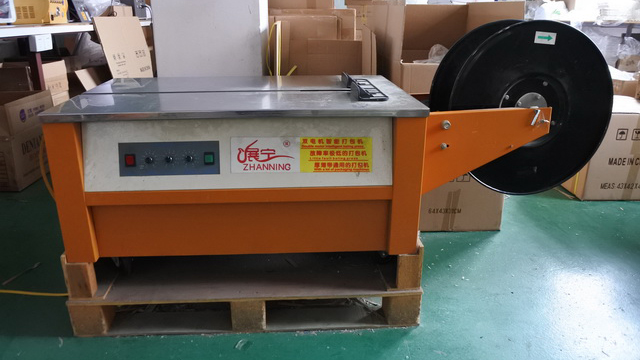
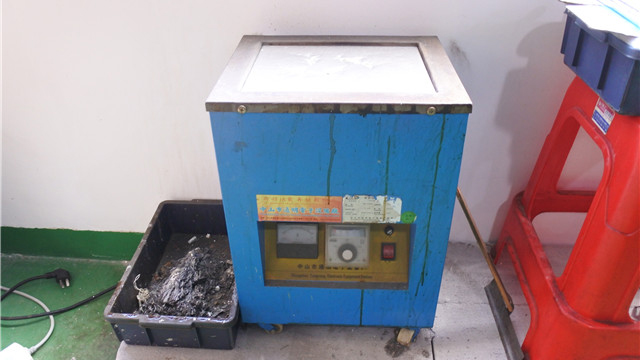
Every device shipped from our Guangzhou factory undergoes a rigorous, multi-layered quality control workflow. Below are the verified operational processes of our assembly line:
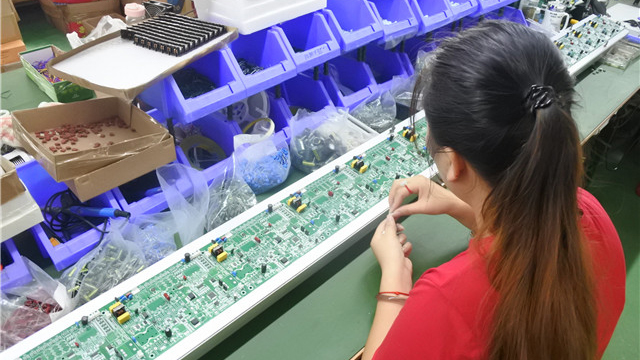
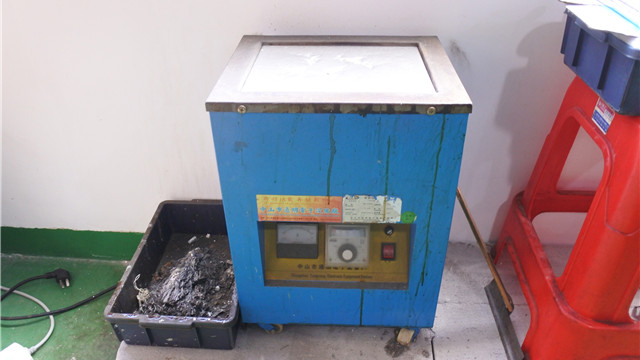
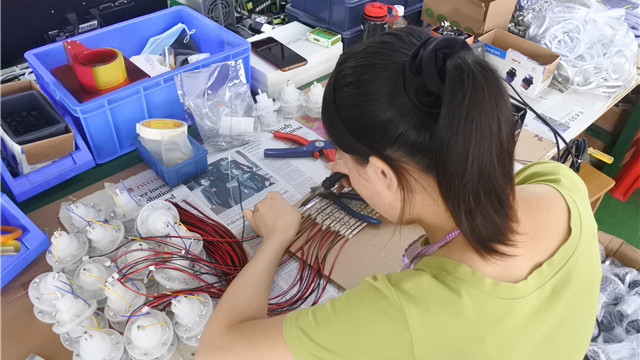
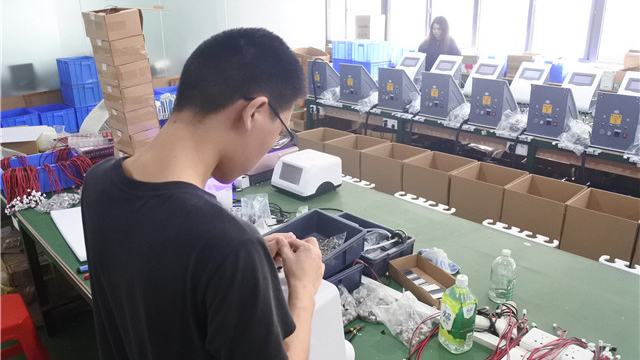
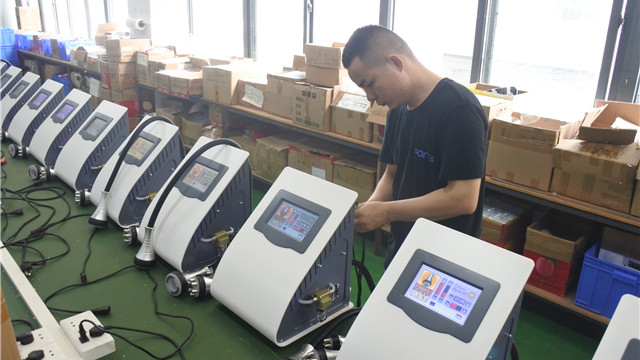
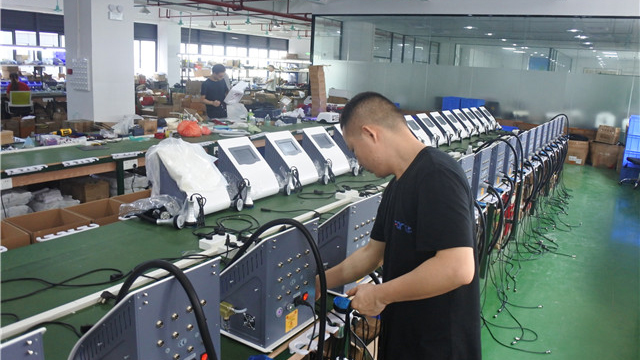
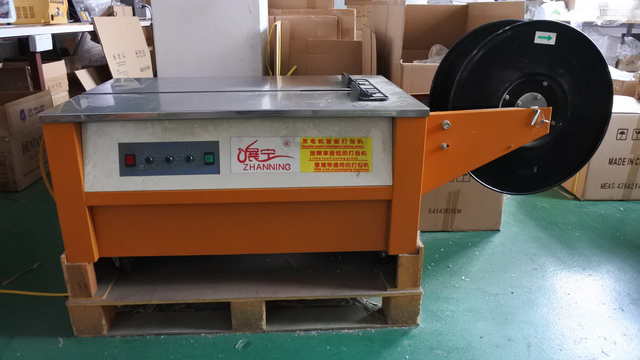
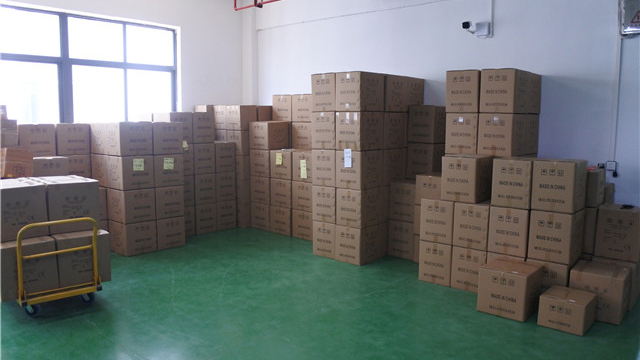
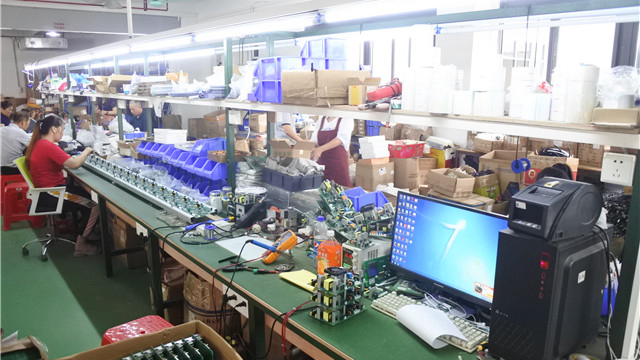
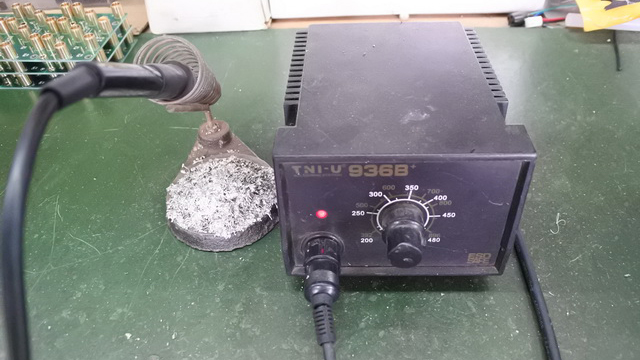
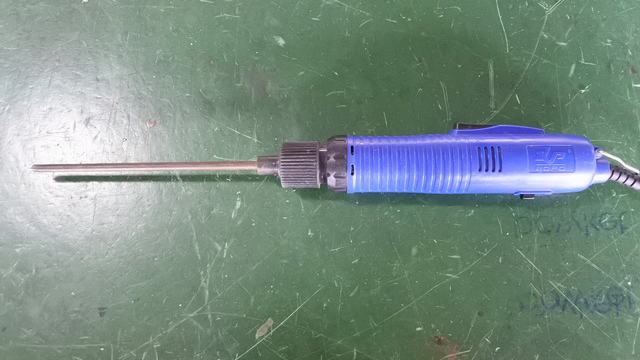
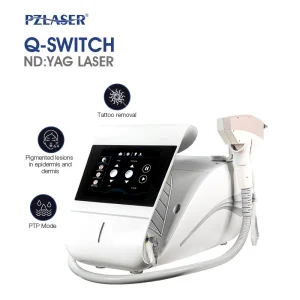
Our Nd:YAG laser systems operate on the principle of selective photothermolysis. By outputting specific wavelengths, such as 532nm for superficial epidermal lesions and 1064nm for deeper dermal pigments, the laser energy is absorbed exclusively by the target melanin. Because the pulse width (nanosecond or picosecond) is shorter than the thermal relaxation time of the melanosome, the heat is confined to the pigment, causing it to break down without thermal injury to the surrounding dermal layers.
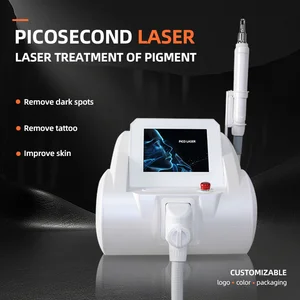
Nanosecond lasers rely on a photothermal effect, heating the pigment to break it apart, which poses a higher risk of hyperpigmentation in darker skin types. Picosecond lasers generate a photoacoustic effect, using rapid pulses to mechanically shatter melanin into microscopic dust. This process requires fewer treatment sessions and reduces the thermal impact on the skin.
Guangzhou EssSea Beauty Co., Ltd. offers comprehensive OEM and ODM services. We customize system software, user interfaces, outer casings, and technical specifications (such as adding CE/FDA-compliant safety interlocks, voltage stabilization, and modular power filters) to ensure the imported machinery meets all safety requirements of your local regulatory body.
Regular maintenance includes changing the deionized cooling water every 1 to 3 months, keeping the optical handpiece lens clean using anhydrous alcohol, and ensuring the environmental temperature is kept within 18°C to 26°C. Our devices are equipped with automatic alarm sensors to alert operators if water flow rate, level, or temperature fluctuates outside safe parameters.
Efficient cooling protects the epidermis from thermal buildup, reducing pain and preventing epidermal burns. Our high-power laser systems integrate copper radiators, semiconductor thermoelectric cooling (TEC) plates, and continuous sapphire crystal contact tips to maintain consistent cooling temperatures.
Ablative fractional CO2 treatments generate microscopic treatment zones, resulting in tiny scabs (MENDs) that naturally shed in 5 to 7 days. Patients are advised to apply medical-grade repair creams and strict SPF protection. Total dermal remodeling and spot clearance are typically visible within 3 to 6 weeks.
Yes, but parameters must be carefully managed. The 1064nm wavelength is the safest option for dark skin types due to its lower relative absorption in epidermal melanin compared to 532nm. Using lower fluences, larger spot sizes, and proper cooling helps prevent post-inflammatory hyperpigmentation.


 EssSea Beauty