EssSea Beauty


1. The Global & Industrial Landscape of Skin Diagnostic Systems
In the rapidly evolving global aesthetic and dermatological medical sectors, the integration of skin diagnostic equipment has transitioned from a supportive utility to a core foundational prerequisite. Clinical research indicates that targeted therapy programs based on digital quantification see a massive rise in retention rates, alongside a drastic drop in adverse treatment effects. Global B2B procurement patterns show that modern dermatology practices, medical spas, and aesthetic networks no longer rely on manual inspections. Instead, they demand highly accurate, multispectral analysis platforms.
Currently, the global market for skin diagnostic instruments is witnessing a robust compound annual growth rate (CAGR). This expansion is fueled by rising customer awareness, progress in algorithmic software, and the push for objective skincare consultations. China has emerged as a key manufacturing and engineering hub for this shift. By combining complex optical systems with agile software development and large-scale manufacturing capacity, Chinese suppliers deliver medical-grade equipment at highly competitive price-to-performance ratios.
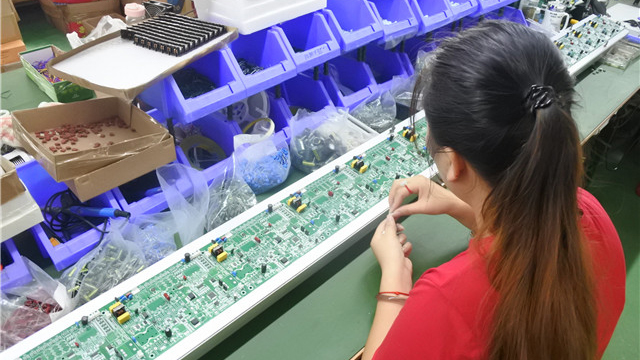
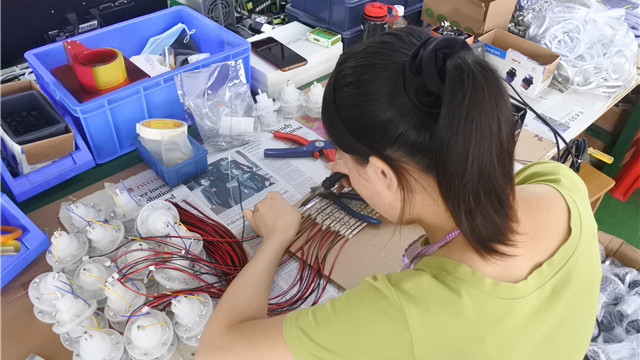
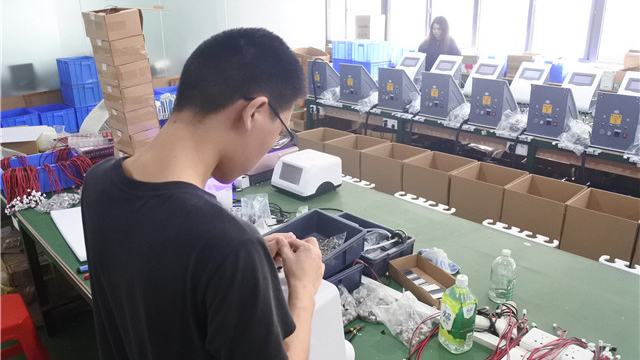
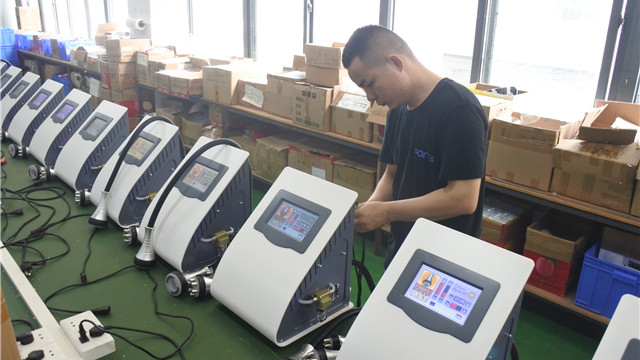
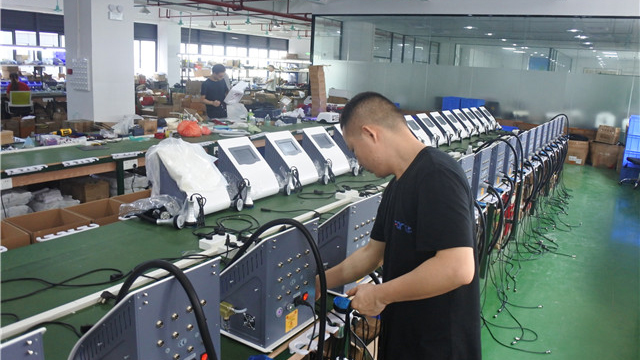
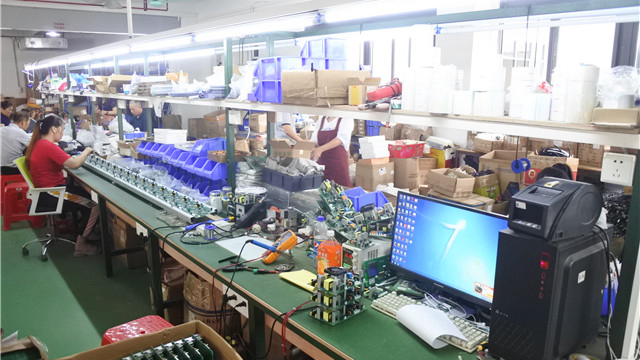
From a B2B procurement standpoint, sourcing skin diagnostic equipment from specialized Chinese factories offers distinct strategic advantages. These extend far beyond basic cost-efficiency. Manufacturers in Guangzhou, such as Guangzhou EssSea Beauty Co., Ltd., have spent over a decade integrating their supply chains. They combine advanced lens manufacturing, digital sensors, and artificial intelligence models directly within their local facilities. This allows international clinics, medical brands, and distributors to customize equipment, update firmware quickly, and maintain strict quality standards that comply with international certifications.