Explore our top-tier advanced aesthetic systems engineered for international clinics and professional distributors.
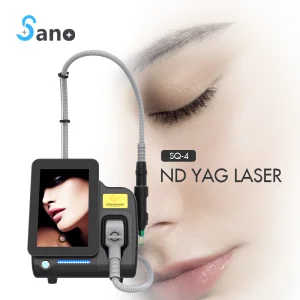
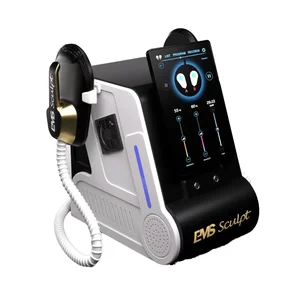
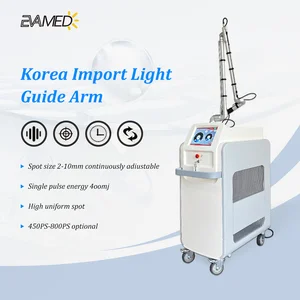
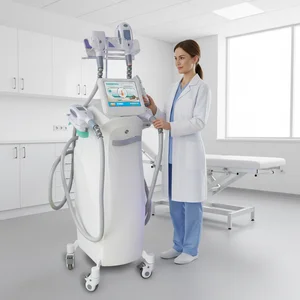
In the rapidly changing world of aesthetic medicine, the search for non-surgical treatments with minimal downtime has led to major innovations. Traditionally, fractional CO2 lasers, erbium lasers, and radiofrequency (RF) microneedling have been the primary options for skin resurfacing and tissue tightening. However, Plasma Skin Renewal (PSR) technology represents a major technological shift. By using the fourth state of matter—ionized gas—plasma devices offer a unique combination of epidermal sublimation and deep dermal remodeling without the thermal complications often seen with optical-based laser treatments.
Unlike lasers, which rely on specific chromophores (like water, melanin, or hemoglobin) to absorb light energy, plasma skin renewal devices are non-chromophore-dependent. This makes them highly versatile, allowing practitioners to safely treat a wider range of skin types (Fitzpatrick Scales I-VI) with a lower risk of post-inflammatory hyperpigmentation (PIH). The plasma energy creates rapid heating in the target tissue, leaving the outer skin layer intact to act as a natural biological dressing that protects the healing layers underneath. This results in faster recovery times and high patient satisfaction.
The global demand for high-end plasma skin renewal devices is growing rapidly across North America, the European Union, the Middle East, and Asia-Pacific. Medical spas, aesthetic clinics, and dermatological hospitals are actively updating their equipment to offer advanced, low-risk options. B2B buyers—ranging from large-scale medical device distributors to independent franchise clinics—require high-quality machinery that is certified, reliable, and cost-effective.
Dermatology clinics require devices that meet strict international regulatory standards. Global buyers look for ISO 13485 quality systems, CE medical marks, and FDA clearances to ensure safety and legal compliance in their local markets.
A key business factor is the cost per treatment. High-quality plasma factories focus on designing systems with durable handpieces and affordable tip attachments, helping clinics maximize their return on investment (ROI).
Distributors often need unique body casing designs, localized software interfaces, custom screen interfaces, and brand-specific logos. Access to reliable OEM and ODM support is essential when selecting a manufacturing partner.
China's manufacturing sector has evolved from simple assembly lines into an advanced industry powered by Factory 4.0 principles. In Guangzhou, the hub of the beauty equipment industry, companies like Guangzhou EssSea Beauty Co., Ltd. combine deep supply chain integration with rigorous quality management.
Established in 2013, Guangzhou EssSea Beauty Co., Ltd. is a high-tech enterprise focused on the research, development, production, and distribution of advanced aesthetic systems. Spanning over 2,000 square meters of modern facilities, EssSea employs a dedicated team of over 50 specialists, including an R&D department of 6 to 8 medical device engineers. By manufacturing key components in-house and utilizing local supply chains, EssSea guarantees production stability, quick turnarounds, and competitive pricing for global partners.
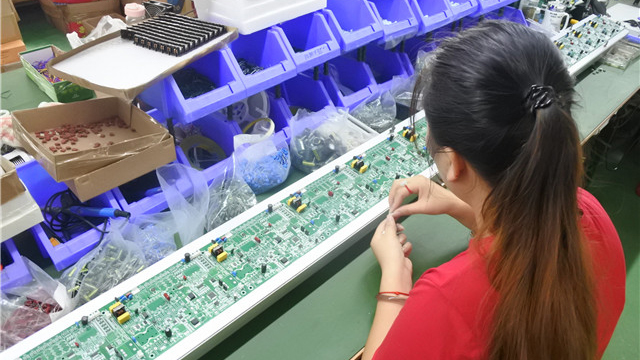
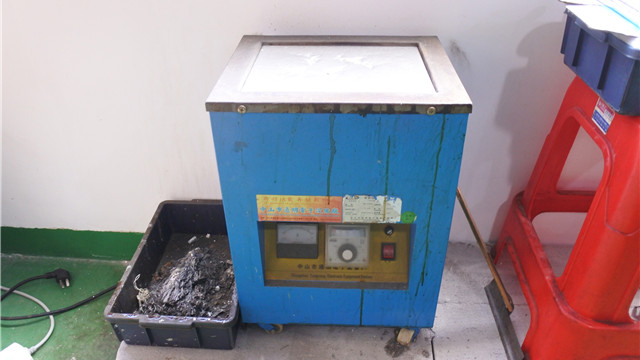
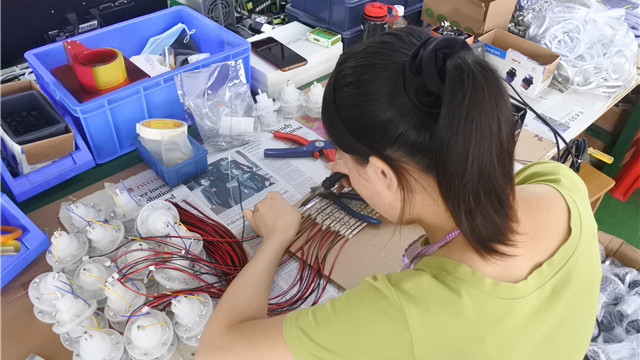
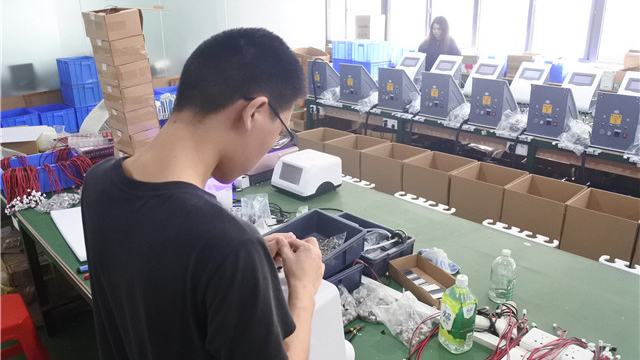
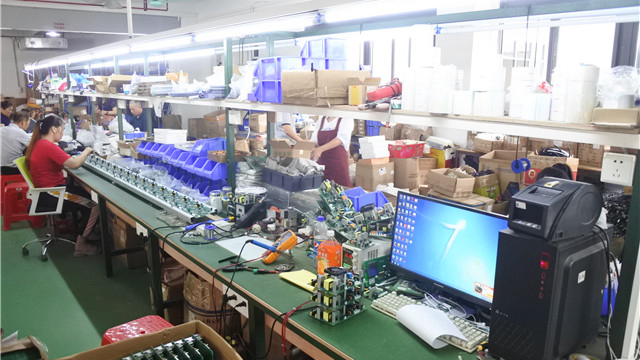
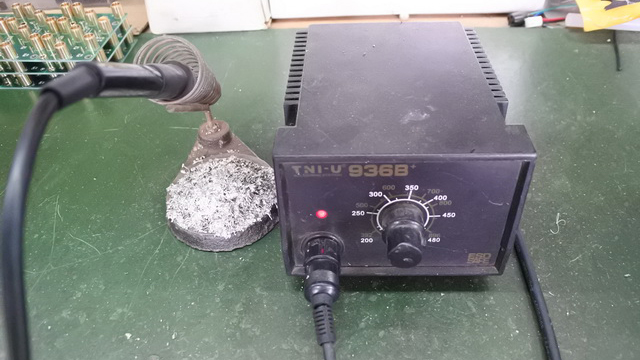
EssSea's manufacturing processes—ranging from precise PCB surface mounting to temperature testing and multi-phase safety inspections—showcase the high quality of modern Chinese manufacturing.
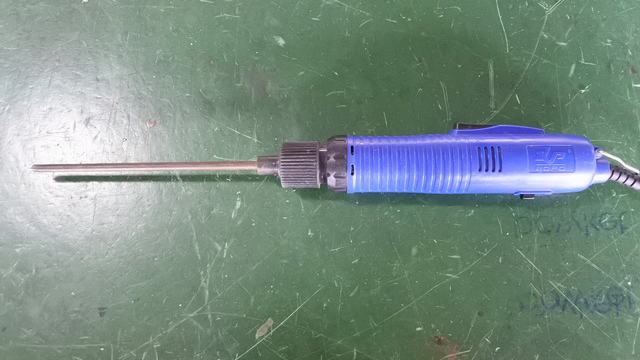
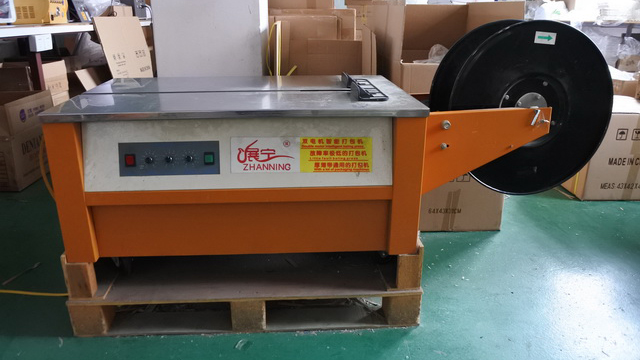
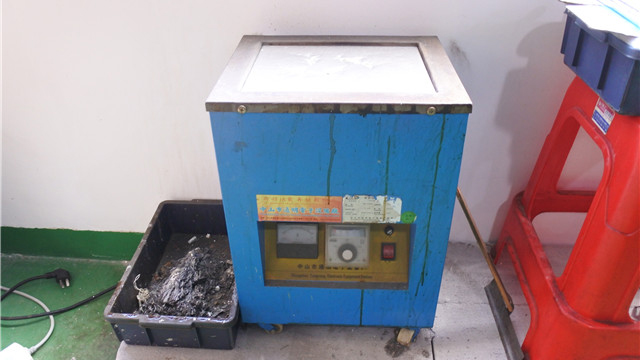
Take a look inside the manufacturing process of Guangzhou EssSea Beauty, highlighting our detailed testing and precision assembly steps.
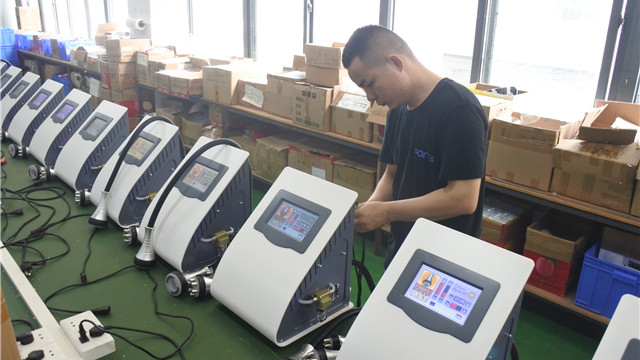
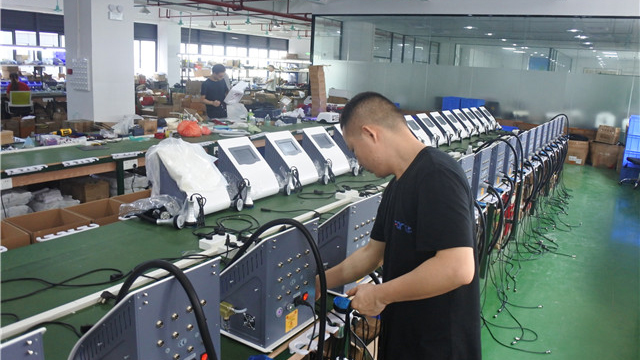
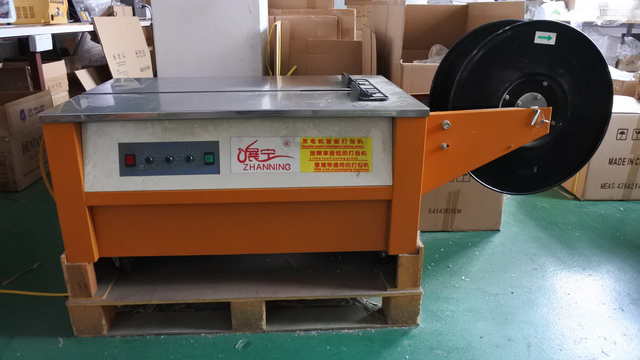
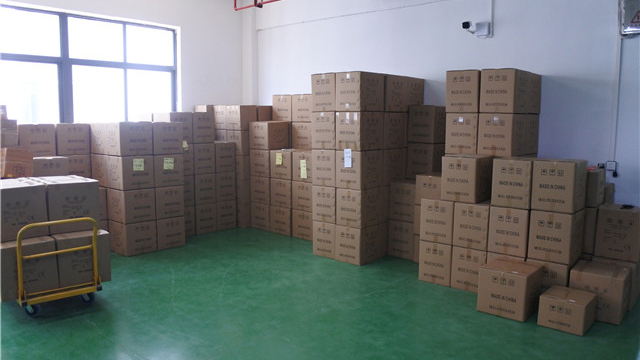
Modern plasma skin renewal machines are designed with versatile programs to meet the needs of different clinical settings. Whether in high-end medical spas in New York or specialized dermatology clinics in London, these devices are used to address a variety of skin concerns:
Fractional plasma energy ablates deep scar tissue and stimulates fibroblasts to produce new collagen and elastin, helping to smooth out stubborn atrophic and rolling acne scars.
Using micro-plasma arcs, practitioners can target lax skin on the upper and lower eyelids. This triggers immediate tissue contraction and tightening, serving as a non-invasive alternative to traditional eyelid surgery.
The controlled exfoliation provided by plasma therapy helps target and break down superficial melanin deposits, leading to a more even skin tone and helping to resolve age spots, solar lentigines, and melasma.
To truly appreciate why plasma devices are becoming the preferred choice for skin renewal, it is helpful to look at the underlying science. Plasma is an ionized gas composed of positive ions, free electrons, neutral molecules, and active chemical species. When this energy is directed at the skin, it transfers heat in a controlled, uniform manner.
In aesthetic medicine, plasma devices generally fall into two main categories:
At higher energy levels, plasma causes sublimation, directly converting solid tissue into gas. This allows for precise targeting of unwanted skin lesions and fine lines. The surrounding tissue experiences a controlled thermal effect, which activates the body's natural wound healing response. Over the following weeks, fibroblasts increase their production of type I and type III collagen, leading to firmer, smoother, and more youthful-looking skin.
Get authoritative answers to the most common questions about plasma skin renewal technologies and factory partnerships.
A fractional CO2 laser works by targeting water in the skin, which vaporizes columns of tissue and leaves open microscopic wounds. In contrast, plasma skin renewal devices use ionized gas, which is not absorbed by specific skin targets like water or pigment. The energy is delivered evenly across the skin, maintaining the outer stratum corneum as a natural barrier. This reduces recovery times, lowers the risk of post-treatment infections, and significantly decreases the chance of post-inflammatory hyperpigmentation.
Guangzhou EssSea Beauty Co., Ltd. follows strict quality control procedures across our 2,000-square-meter facility. This includes manual circuit component installation (plug-in phase), wave soldering (tin immersion), precise manual welding, structural assembly, multi-hour electrical stress testing, calibration, and thorough safety inspections before packing. Our QC team verifies every unit to ensure it meets our internal standards and international requirements.
Yes, we offer comprehensive OEM and ODM services. Thanks to our in-house R&D team of 6 to 8 experienced engineers, we can customize hardware casing designs, incorporate brand logos, modify system software, update graphical interfaces, and adjust performance specifications to help you meet the requirements of your local market.
Depending on the energy levels used, patients typically experience mild redness and skin flaking for 3 to 7 days. Because the outer layers of the skin remain intact during the procedure, recovery is generally straightforward, and patients can return to their daily routines much faster than they would after traditional laser skin resurfacing.
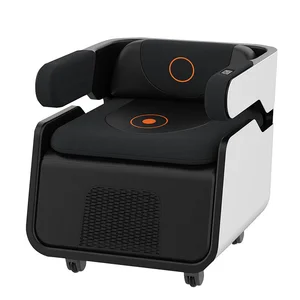
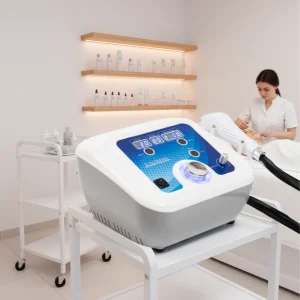
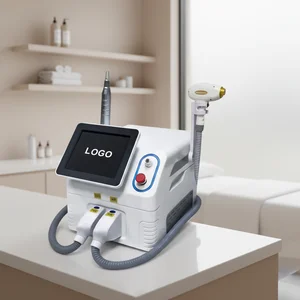
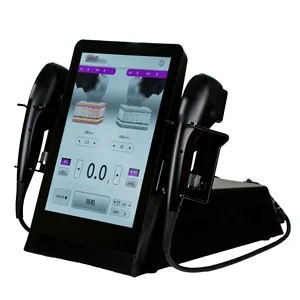
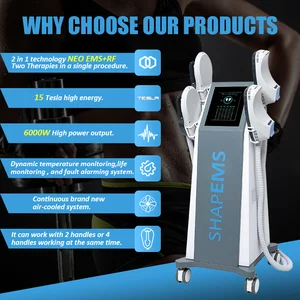
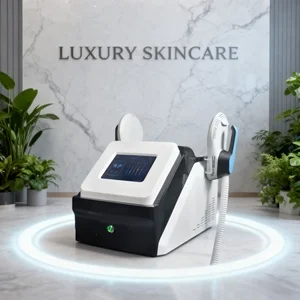
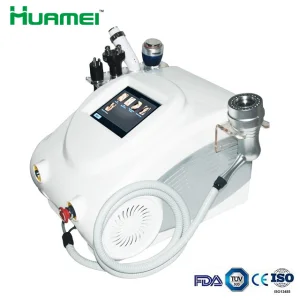
Discover more of our advanced body contouring, hair removal, and skin rejuvenation machines designed for professional use.
 EssSea Beauty