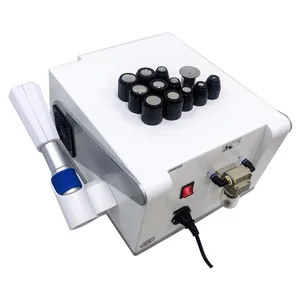
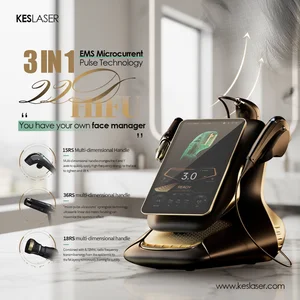
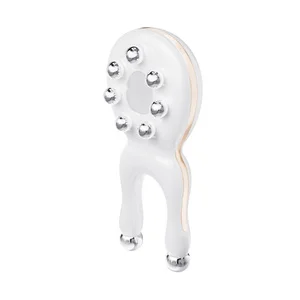
Pioneering high-power systems designed for international clinics, medspas, and aesthetic practices demanding surgical-grade efficacy and durability.
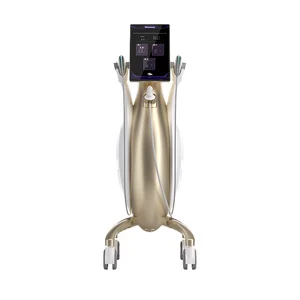
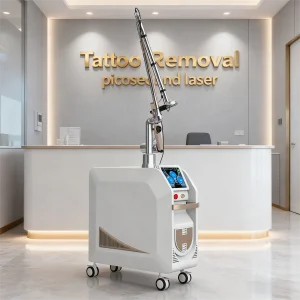
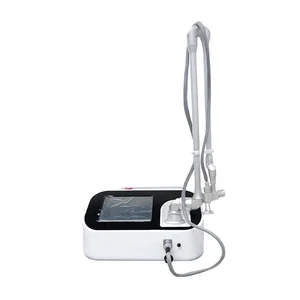
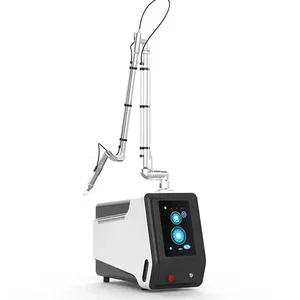
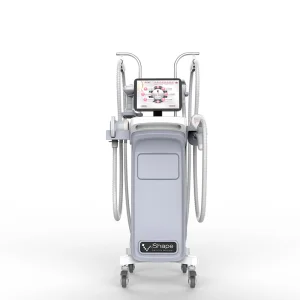
Executive Synopsis: The global medical and aesthetic market has experienced an unprecedented transition towards non-invasive energy-based therapies. Leading this paradigm shift is Photobiomodulation (PBM) realized through engineering-grade LED Treatment Panels. In this white paper, we explore how targeted wavelengths (specifically 630nm, 660nm, 810nm, and 830nm) interact at the mitochondrial level, the industrial manufacturing ecosystems that support the global export of these systems, and why China’s Guangzhou industrial corridor has established itself as the center of global engineering authority.
Photobiomodulation (PBM) therapy relies on the targeted delivery of narrow-band light wavelengths to organic tissue. Unlike thermal lasers, which ablate or coagulate tissue, LED panels use non-coherent light sources to stimulate intracellular activity. Our research and development efforts at Guangzhou EssSea Beauty Co., Ltd. center on the clinical application of the optical windows where biological absorption is minimized, allowing deep tissue penetration.
The primary mechanism of action of LED treatment panels is the absorption of photons by chromophores within the cells, specifically the enzyme Cytochrome c Oxidase (CcO) located in the mitochondrial respiratory chain. During this photophysical event:
A high-performance LED treatment panel must incorporate precision-engineered wavelengths to achieve targeted physiological outcomes:
Step-by-step documentation of our ISO-compliant production line at Guangzhou EssSea Beauty Co., Ltd. from component integration to final shipment inspection.
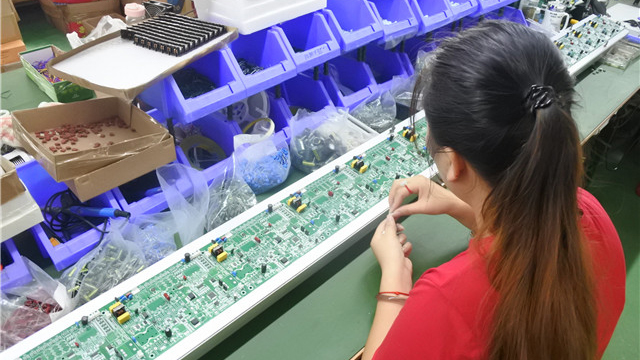
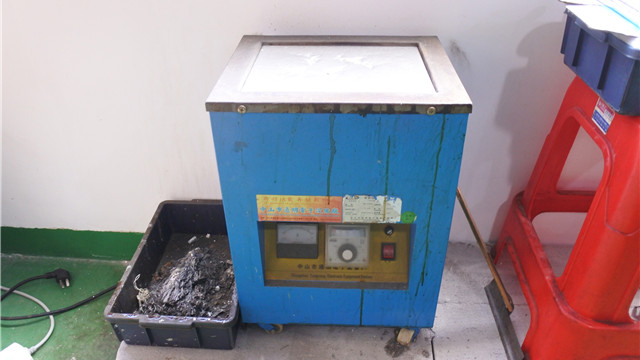
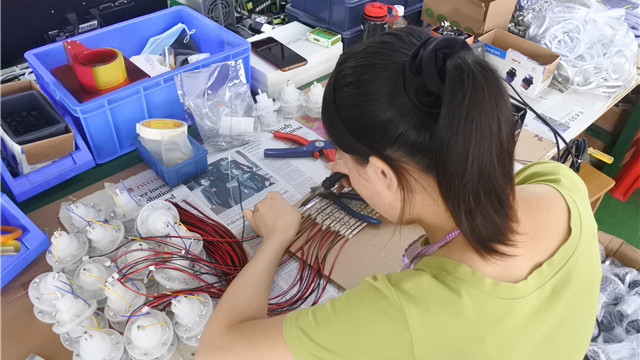
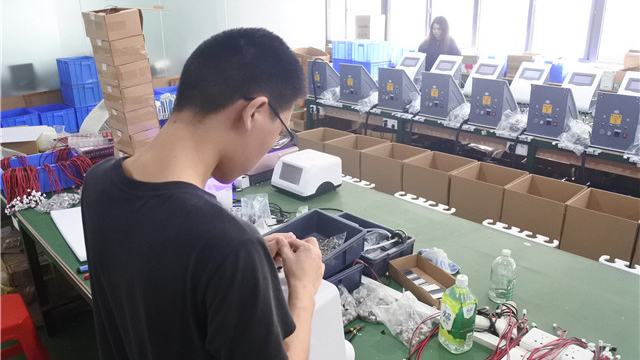
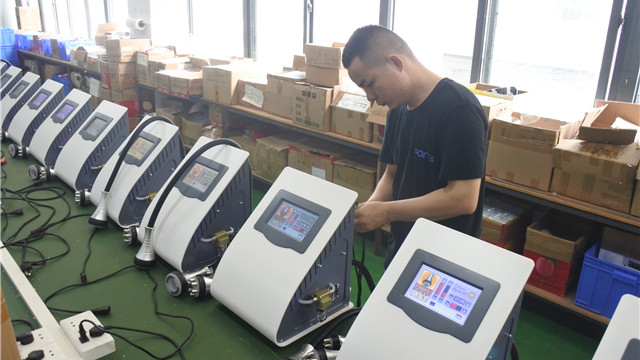
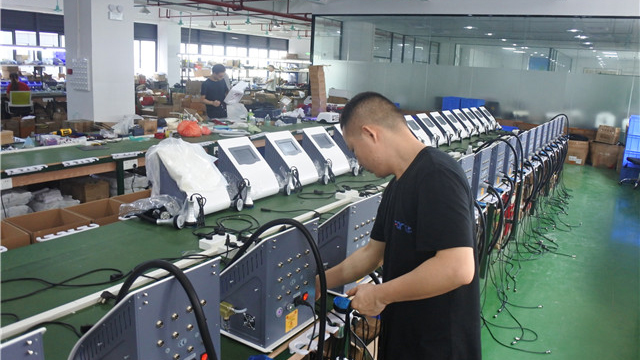
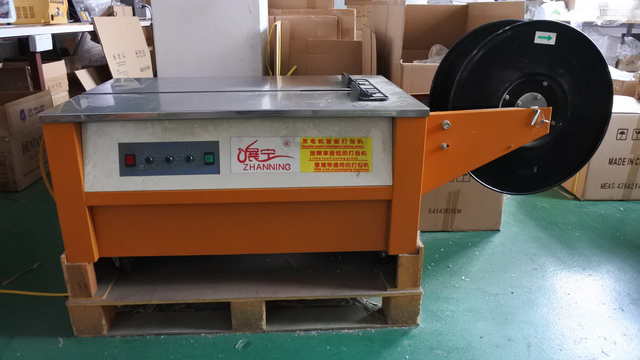
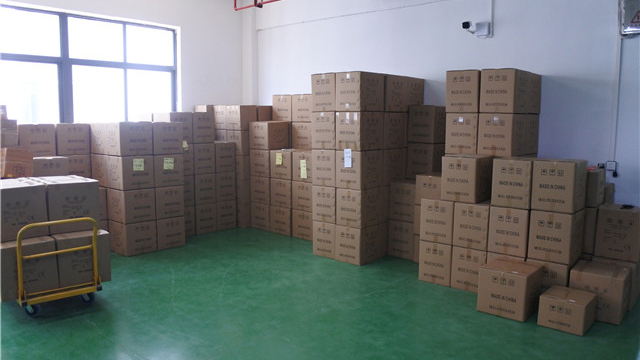
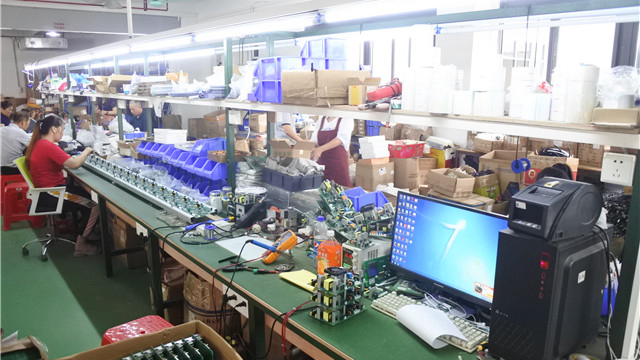
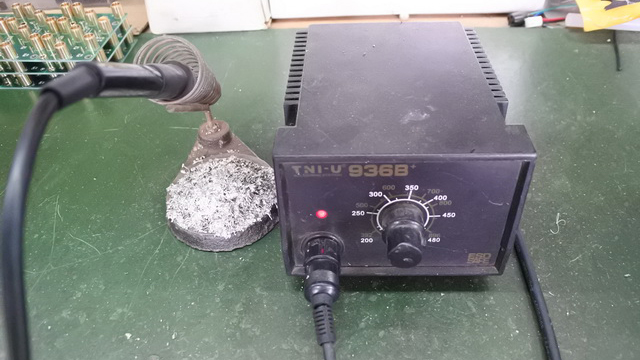
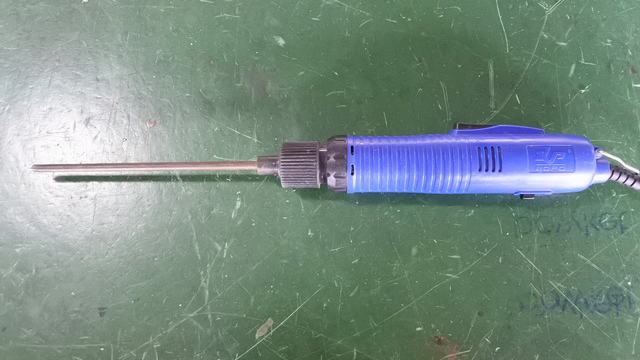
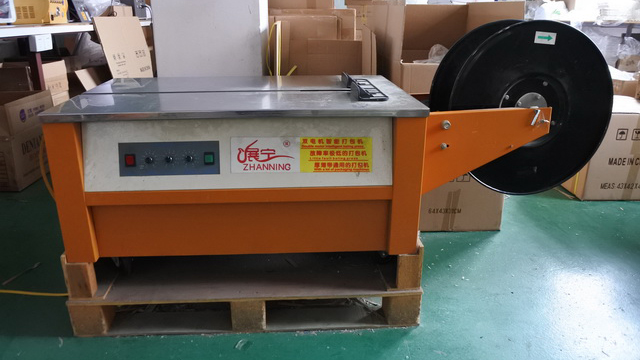
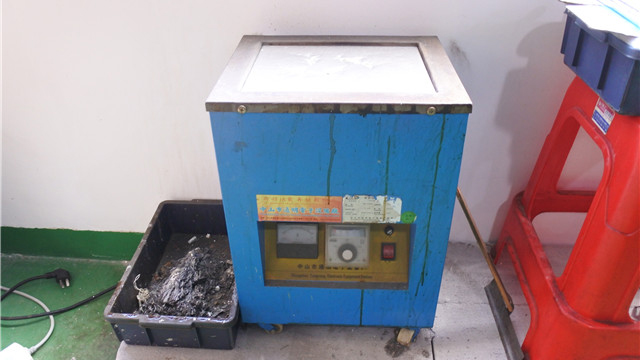
Guangzhou remains the premier global hub for beauty and medical equipment development. The concentration of component suppliers, testing laboratories, and logistics networks allows for faster iteration times and lower production costs. Guangzhou EssSea Beauty Co., Ltd. leverages this ecosystem to manage custom projects with high precision.
Our facility covers over 2,000 square meters, housing production spaces alongside testing and inspection areas. We maintain cleanrooms for sensitive optical components, preventing particulate contamination of laser diodes and LED arrays. This infrastructure enables customized product development through two main channels:
When selecting professional LED treatment systems, technical buyers must focus on specific performance indicators rather than basic wattage ratings.
Irradiance represents the power density of delivered light per unit area, typically measured in milliwatts per square centimeter (mW/cm²). High-quality panels deliver sufficient irradiance at functional distances (e.g., 6" to 12" from the skin) to trigger biological activity without causing skin irritation. We utilize spectroradiometers during our quality control phase to ensure uniform light output across the entire active treatment area.
For health and safety compliance, managing Electromagnetic Fields (EMF) is critical. Cheaply constructed LED drivers can emit high levels of electromagnetic radiation. Our design process incorporates shielded power supplies and grounded aluminum housing to minimize EMF emissions, ensuring safe operation during prolonged treatment sessions.
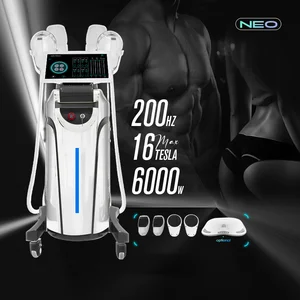
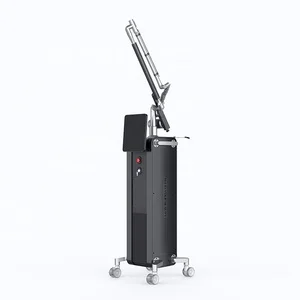
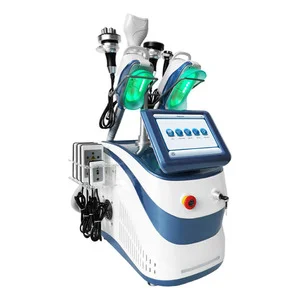
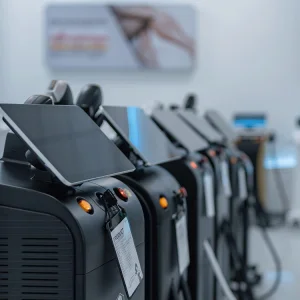
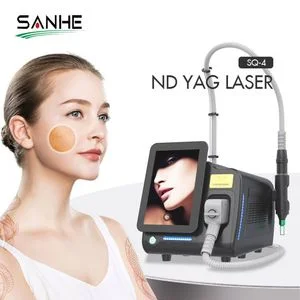
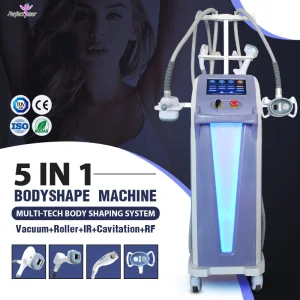
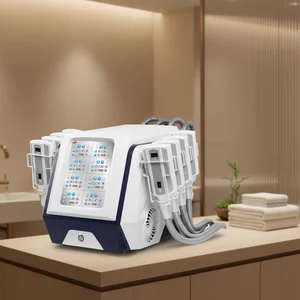
Guangzhou EssSea Beauty Co., Ltd. offers a wide range of aesthetic technologies, including:
Our dedicated R&D team consists of 6 to 8 experts specializing in optoelectronic engineering and mechanical design, ensuring continuous updates to our product line.
We implement rigorous, multi-stage testing at every production step, maintaining consistent quality across all production runs.
We export globally to regions including the Americas, Europe, the Middle East, Africa, and Southeast Asia, offering dedicated logistical support.
Answers to essential questions regarding regulatory compliance, quality control, and custom options for importing aesthetic equipment from China.
Buyers should verify that the manufacturer maintains ISO 13485 certification for medical device quality management. Products must hold certifications corresponding to the target market: CE marking for European markets, FDA clearance for the United States, and RoHS compliance to confirm the absence of hazardous substances in the electrical components.
We use high-specification LED chips and maintain strict quality standards during assembly. Using spectrometer measurements at our testing stations, we verify that each panel emits stable, targeted wavelengths (630nm/660nm red, 810nm/850nm NIR) under continuous load.
Our customization services cover housing designs, custom wavelength configurations, PCB layouts, customized control interfaces, and brand integration. Our 6-8 R&D engineers work directly with buyers to design and build systems tailored to specific clinic requirements.
We use shock-absorbent packaging, custom-molded inserts, and reinforced exterior cases to protect fragile optics during transport. We work with established logistics partners to coordinate delivery across the Americas, Europe, the Middle East, and Asia.
Advanced systems engineered to expand clinic service capacity and deliver high ROI through reliable clinical performance.
 EssSea Beauty