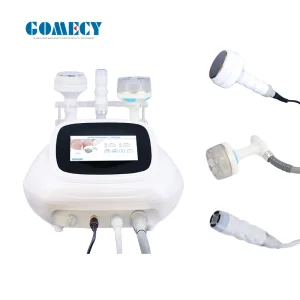
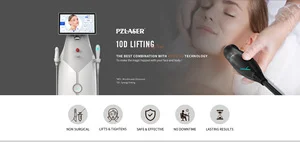
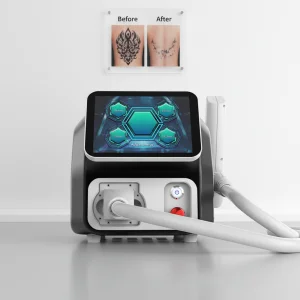
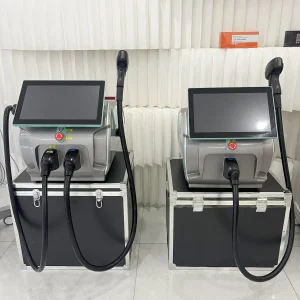
Discover our globally certified flagship systems incorporating advanced environmental protection, cooling management, and moisture control technologies.
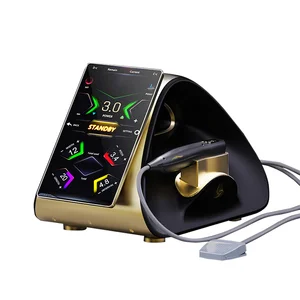
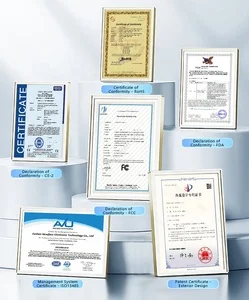
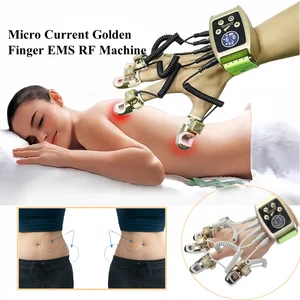
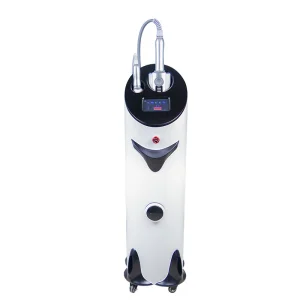
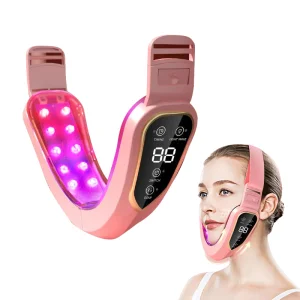
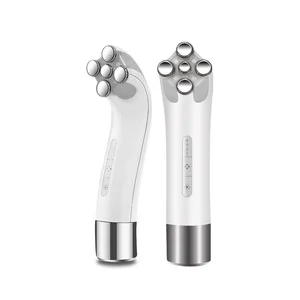
In high-precision electronics, optical assemblies, and medical laser system development, the micro-climate inside the housing determines long-term stability and system survival. As devices shrink and power densities rise, the threat of humidity-induced failures is highly critical. A CE Certified Moisture Control Device is no longer an optional accessory; it is a foundational component to safeguard sensitive parts from condensation, insulation breakdown, and micro-corrosion.
When moist ambient air comes into contact with surfaces cooled below the local dew point—such as diode laser arrays, thermoelectric coolers (TECs), or RF amplifiers—liquid water forms instantly. This condensation leads to catastrophic optical scattering, short-circuits, and degraded efficiency. By using active and closed-loop control systems, manufacturers can keep internal relative humidity (RH) within safe levels (typically under 20% to 35% RH), extending component lifetimes and preventing unexpected maintenance costs.
Continuous dampness degrades sensitive copper joints, aluminum frames, and thin-film optical coatings, causing long-term structural failures.
High relative humidity reduces the breakdown voltage of air gaps, increasing the risk of high-voltage arcing in intense RF and laser discharge systems.
Condensation on laser output windows or focusing lenses causes beam distortions, focal shifts, and potential optical damage.
Industrial climate management is moving away from passive silica gel packets toward smart, active electronic moisture control systems. Modern devices use advanced Peltier modules, regenerable polymers, and digital microcontrollers to monitor and manage moisture in real time. These smart systems feature IoT connectivity, allowing users to track relative humidity (RH) levels remotely and schedule preventive maintenance before any failures occur.
Global regulations are also driving this change. Cleanrooms, medical clinics, and industrial manufacturing sites require strict compliance with RoHS, REACH, and CE directives. This regulatory push encourages the adoption of energy-efficient, eco-friendly systems that operate without chemical refrigerants or single-use desiccants, reducing both environmental impact and operational costs.
Procurement departments look for specific criteria when sourcing moisture control devices for medical systems or high-precision equipment. They require high-reliability components that offer a long mean time between failures (MTBF), minimal maintenance needs, and compact sizes that fit easily into existing system housings. Additionally, compliance with certifications like CE, FDA 510(k), and UL is critical to ensure smooth international distribution and reliable performance under varying climate conditions.
Partnering with an OEM/ODM provider that offers customized housing sizes, tailored mounting plates, and adjustable electrical inputs is vital for smooth system integration. Modern supply chain managers favor manufacturers who can deliver fully tested sub-assemblies directly to their production lines, reducing installation time and lowering overall assembly costs.
Established in 2013 and located in the manufacturing hub of Guangzhou, China, Guangzhou EssSea Beauty Co., Ltd. is a high-tech enterprise dedicated to the research, development, production, and application of advanced beauty, medical, and aesthetic systems. Covering over 2,000 square meters of modern factory space, we maintain a dedicated R&D team of 6–8 engineers specializing in thermal management, optoelectronics, and micro-climate control systems.
Technological innovation is central to our operations. We specialize in designing and manufacturing systems that require precise cooling, moisture prevention, and stable power outputs. Our high-performance medical systems are built with integrated environmental protection modules, ensuring reliable, continuous operation in clinics and medical centers worldwide.
Our core manufacturing capabilities include:
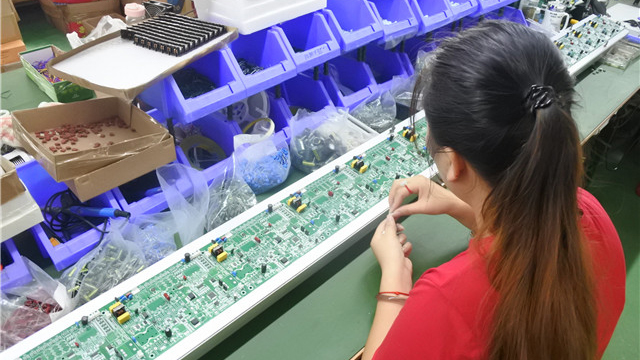
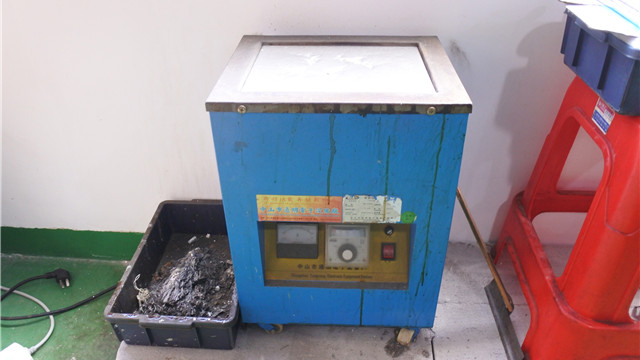
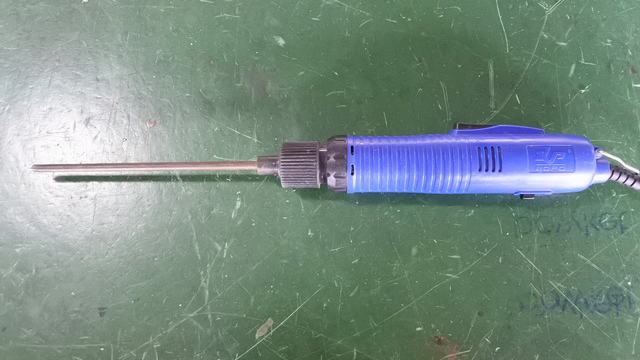
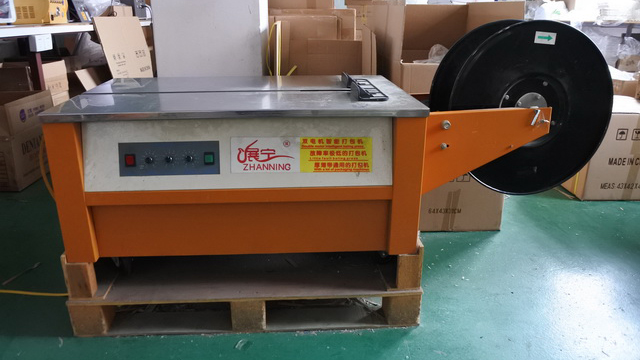
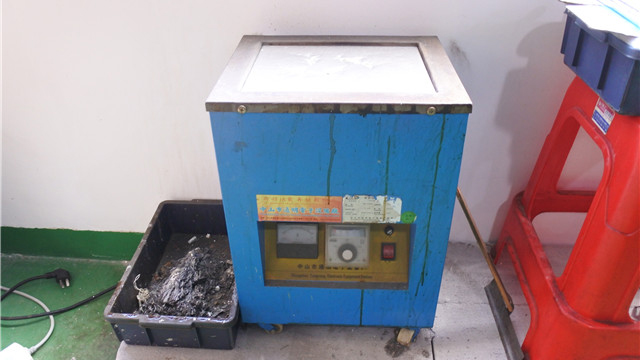
Our manufacturing facility in Guangzhou features specialized assembly areas, automated wave-soldering systems, climate-controlled testing rooms, and strict Quality Assurance (QA) inspection lines. We track every assembly step—from raw components to final packaging—to guarantee complete process transparency, high production yields, and full reliability. This structured approach ensures every device meets our rigorous quality standards before shipping.
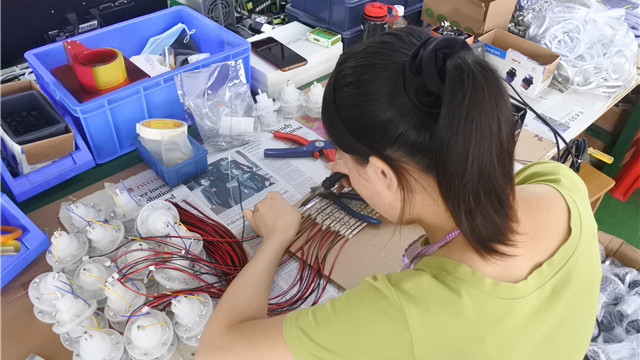
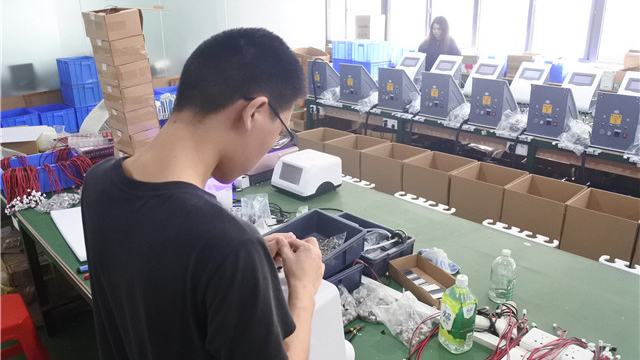
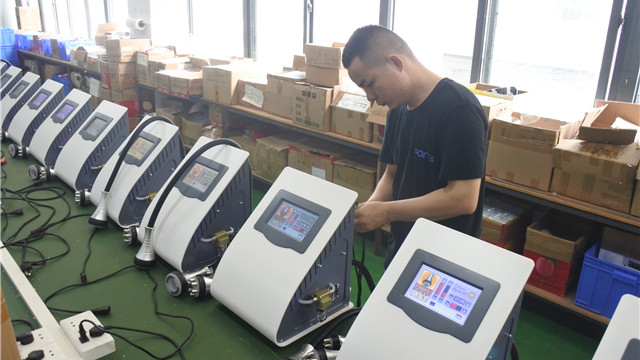
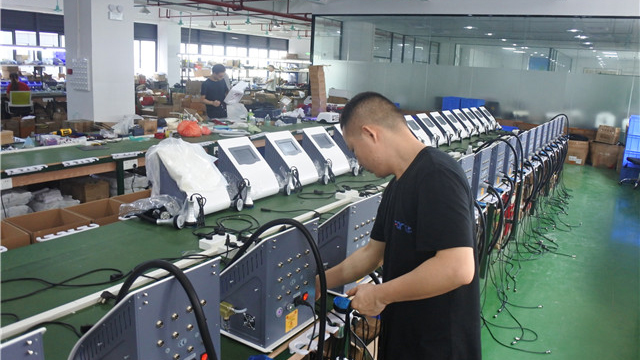
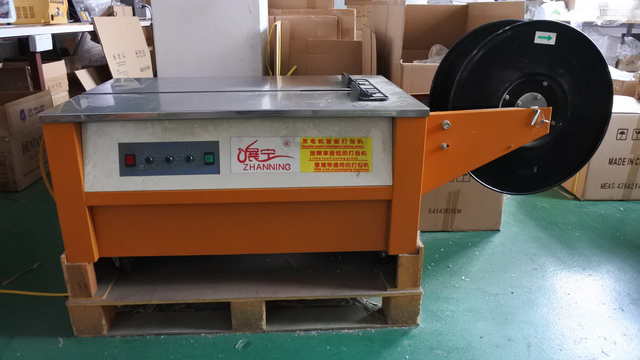
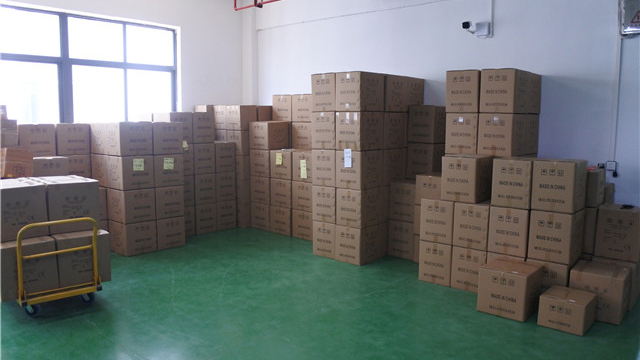
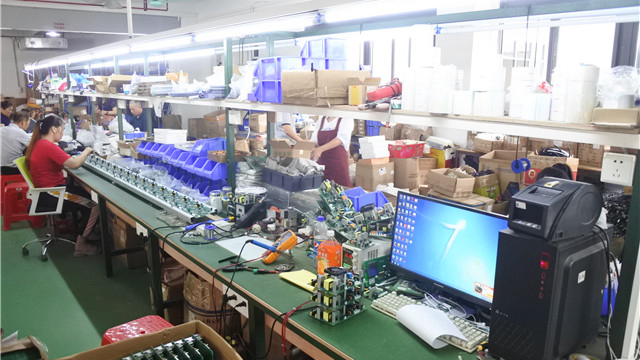
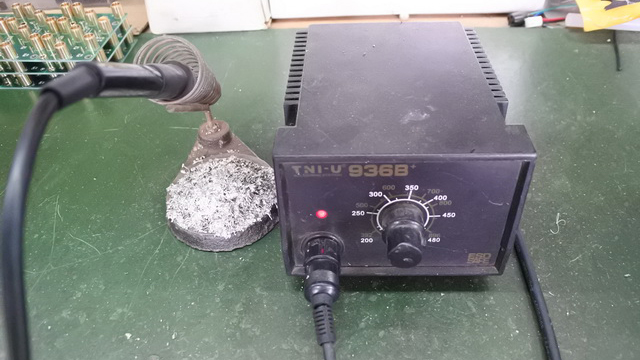
High-precision climate control is essential across various demanding industries:
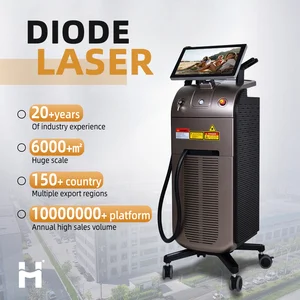
1. Aesthetic & Medical Lasers: Inside Nd:YAG or multi-wavelength diode laser hair removal systems, laser emitters run on high-power electrical currents that generate significant heat. Active cooling with thermoelectric coolers (TECs) is required to maintain safety and efficiency. However, lowering the temperature below the ambient dew point risks condensation on the delicate diode facets, which can cause optical damage or micro-arcing. Built-in moisture control units prevent this by maintaining a stable, dry environment around the optical pathways.
2. High-Frequency Radiofrequency (RF) Systems: RF-based skin-tightening and fat-reduction systems rely on high-voltage, high-frequency circuits. Uncontrolled humidity levels can lower the insulation resistance of the surrounding air, leading to electrical breakdown or component wear. Implementing desiccant-based or mechanical moisture control ensures consistent treatment outputs and protects internal electronics.
3. Advanced Industrial Optoelectronics: Telecommunication transceivers, industrial cutting lasers, and semiconductor fabrication equipment operate under tight environmental specifications. A dedicated moisture control device helps prevent optical scattering and sensor drift, ensuring high precision in variable humidity climates.
Deep engineering answers on implementing moisture control devices within high-power electronic and optoelectronic systems.
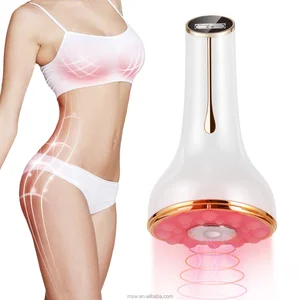
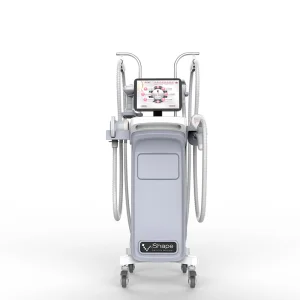
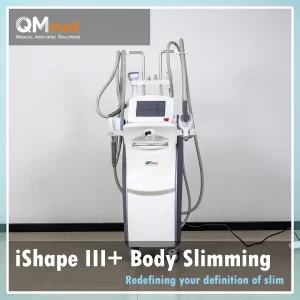
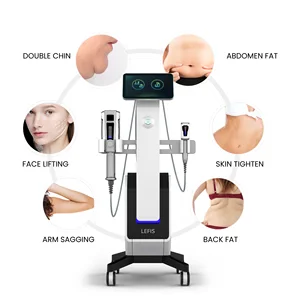
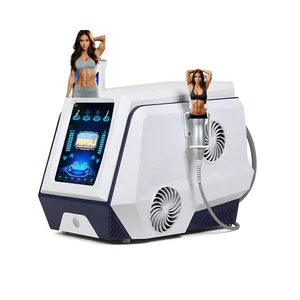
Advanced body sculpting, skin rejuvenation, and laser systems engineered for high reliability, clinical safety, and global market compliance.
 EssSea Beauty