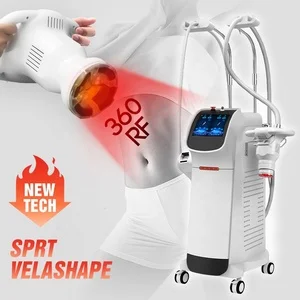
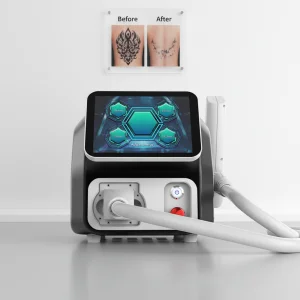
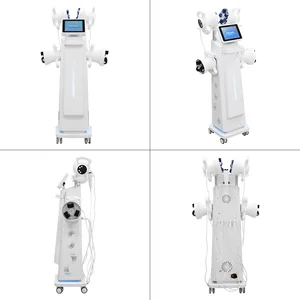
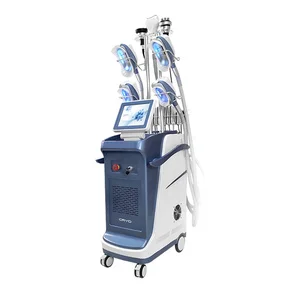
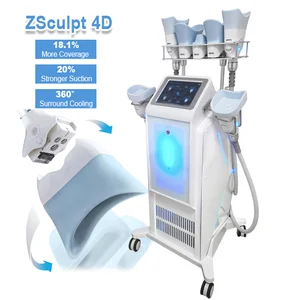
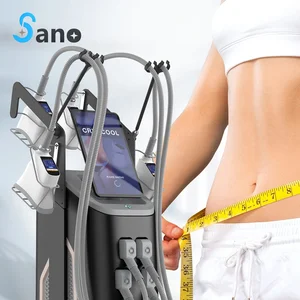
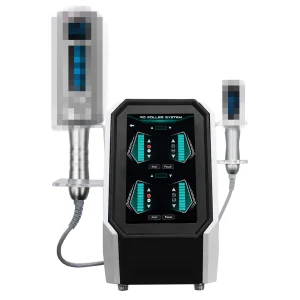
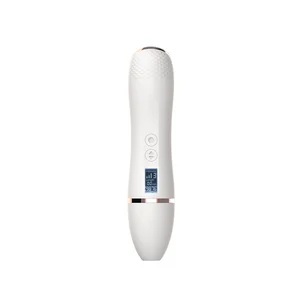
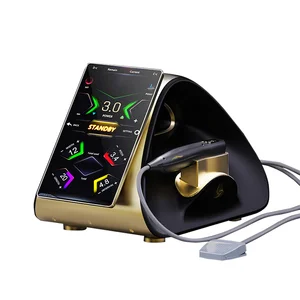
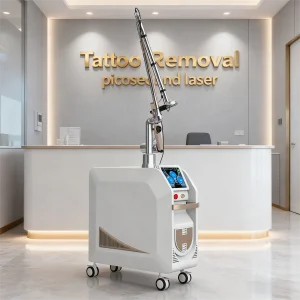
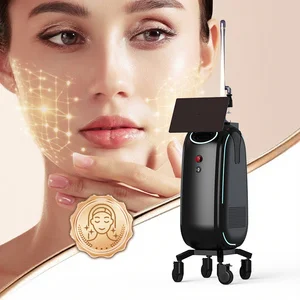
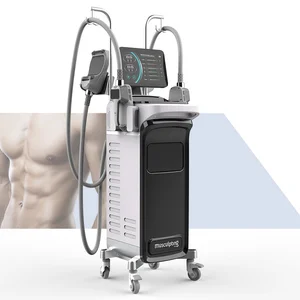
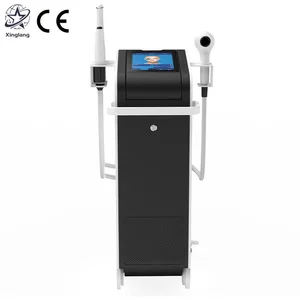
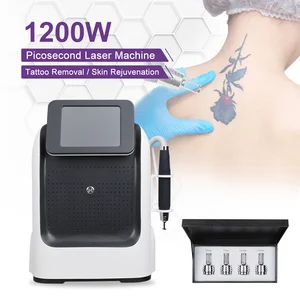
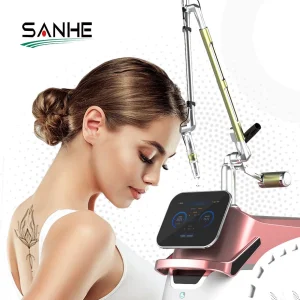
The global aesthetic market has witnessed a paradigm shift toward non-invasive, thermal-based skin therapies. Among these, Cryotherapy Facial Devices have emerged as a cornerstone technology for modern clinical skincare. By leveraging localized cold therapy (ranging from 0°C to -10°C), these devices induce a controlled "thermal shock" in skin tissues. This process stimulates microvascular response—known as the Hunting Reaction—where blood vessels constrict to protect core temperature and subsequently dilate to flush the target area with nutrient-rich, oxygenated blood.
From an industrial perspective, the global demand for cryotherapy facial machines is driven by three main factors: the rising consumer avoidance of invasive surgical facelifts, the immediate visible efficacy of cold therapy on dermal inflammation and edema, and the compatibility of cryotherapy with other energy-based treatments (such as Radiofrequency and Laser resurfacing). Crucially, clinical safety is governed by regulatory certification, making CE Certification the baseline entry requirement for professional deployment in European and international markets. B2B buyers must partner with manufacturers that adhere strictly to EN 60601-1 standards to ensure electrical and mechanical safety in high-stress clinical settings.
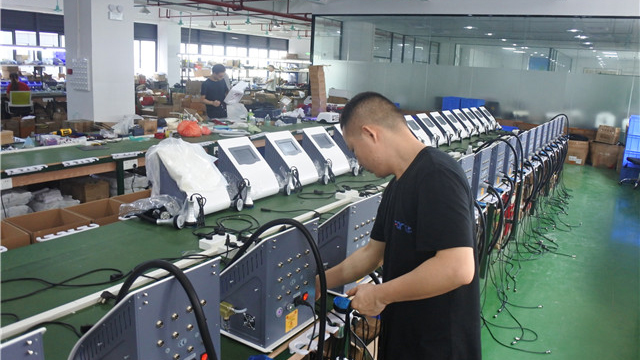
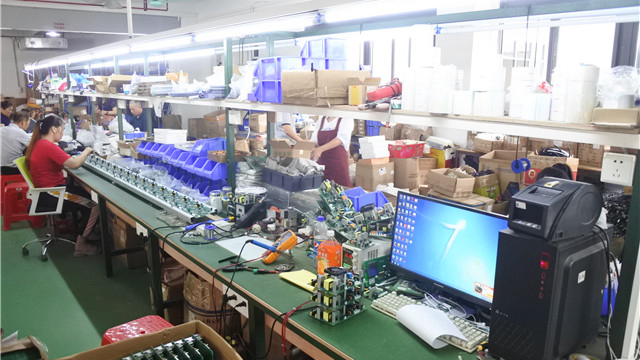
Established in 2013, Guangzhou EssSea Beauty Co., Ltd. has grown into a leading high-tech enterprise dedicated to the research, development, production, and application of advanced beauty and aesthetic devices. Strategically located in Guangzhou, China's largest beauty electronics hub, our modern facility covers over 2,000 square meters of manufacturing space and offices. Backed by a dedicated R&D team of 6–8 clinical engineers, we continuously push the limits of optoelectronic, thermal shock, and mechanical engineering to create market-leading aesthetic systems.
Our diverse and comprehensive specialization includes:
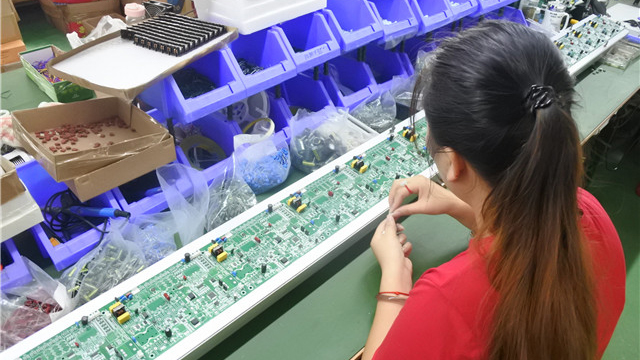
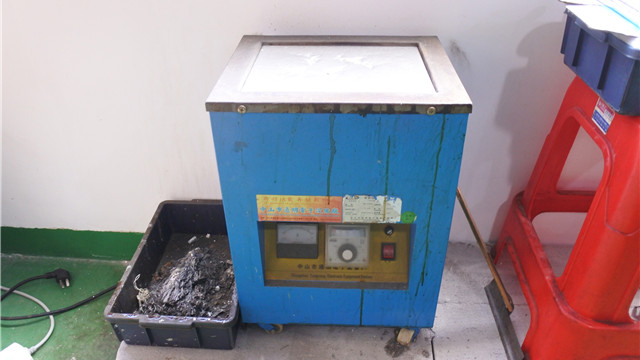
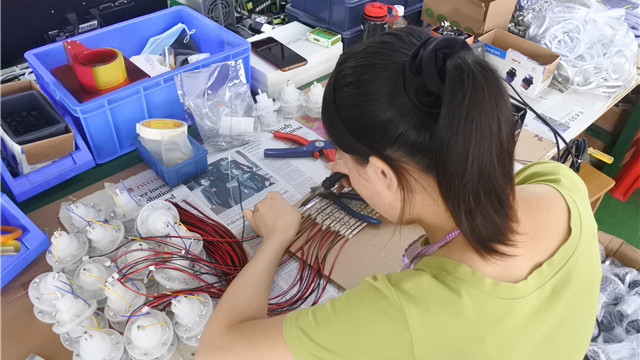
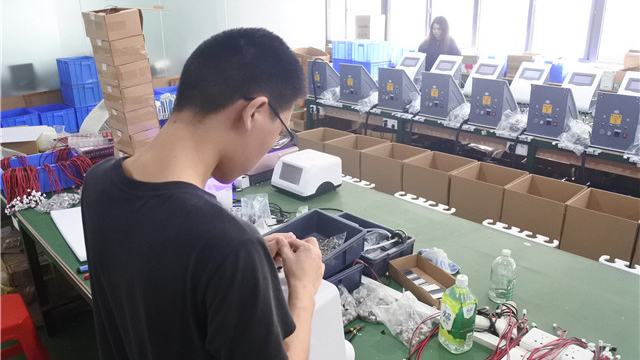
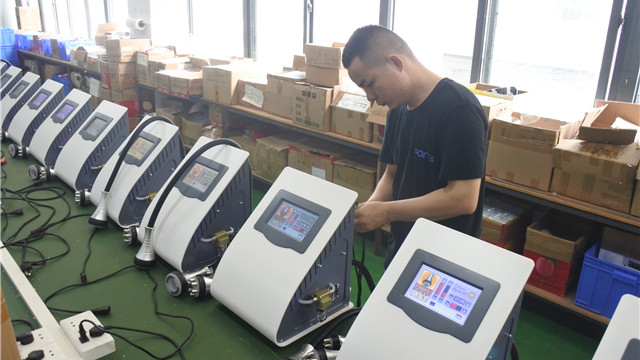
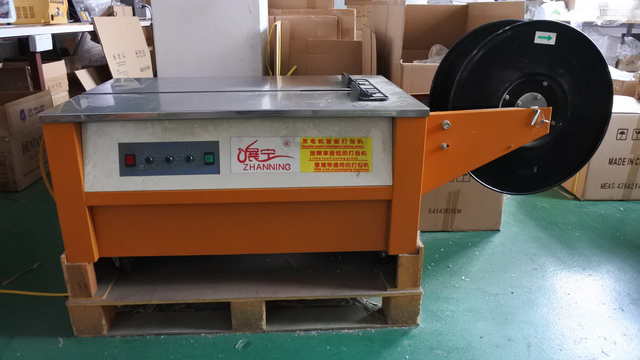
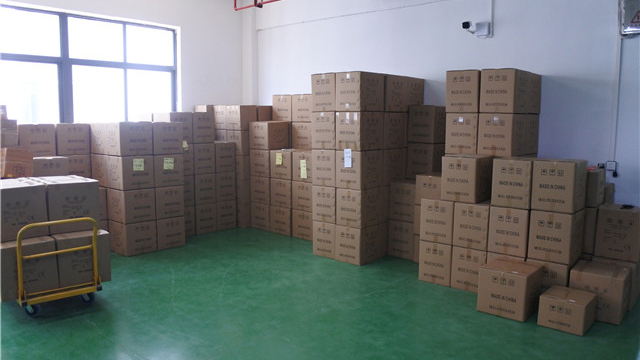
At Guangzhou EssSea Beauty Co., Ltd., we prioritize technology, manufacturing efficiency, and strict quality control. Our facility leverages advanced automation, computerized testing, and a highly skilled workforce of over 50 specialists to guarantee rapid production turnaround, robust product builds, and professional support services, giving our global partners a distinct competitive advantage.
Cryotherapy facial devices utilize thermoelectric cooling (based on the Peltier effect) to safely lower skin temperatures without risking epidermal damage. When applied to the skin, this localized hypothermia triggers several clinical responses:
The sudden cooling of tissues causes rapid vasoconstriction, redirecting blood from superficial layers to the deep cardiovascular circulation. As the skin warms back up to ambient temperature, rebound vasodilation occurs, flushing the treated area with fresh blood, oxygen, and nutrients. This microvascular stimulation revitalizes dull skin, enhances cell turn-over, and aids the natural recovery pathways of the skin.
Thermal shock creates a safe, controlled micro-stress within the dermis. This stress triggers fibroblasts to initiate collagen and elastin synthesis. Over multiple sessions, these structural proteins tighten the skin matrix, reducing the appearance of fine lines, wrinkles, and localized sagging.
Cold therapy is highly effective at reducing swelling and fluid retention. The mechanical massage of the cold handpiece over lymphatic pathways helps move stagnant fluids, contouring the jawline, depuffing the under-eye area, and clearing metabolic waste products from facial tissue.
Professional medical spas combine cryotherapy with invasive procedures (like chemical peels, lasers, and microneedling) to instantly soothe erythema, minimize downtime, and enhance the overall treatment experience.
High-end spas offer cryo-facials as stand-alone treatments for instant skin brightening, hydration, and puffiness reduction. These treatments are popular with clients preparing for red-carpet events or special occasions.
Board-certified dermatologists utilize cryotherapy to calm active inflammatory acne, soothe eczema-prone skin, and support overall skin health using clinically validated cooling protocols.
Distributors buy our customizable OEM/ODM platforms to brand their own lines of CE-certified aesthetic systems, offering their regional networks reliable technology with local technical support.
The aesthetic device industry is trending toward multi-technology platforms. Standard single-function devices are being replaced by units that combine cryo-cooling with electroporation, thermal shock, RF, or LED therapy. This integration allows clinicians to offer multi-stage treatments with one machine, maximizing spa treatment room efficiency and boosting ROI.
Additionally, modern devices feature smarter control systems. Real-time temperature sensors in the handpiece constantly monitor the epidermis to prevent thermal injury, adjusting power levels automatically to keep the cooling effect stable throughout the session.
Guangzhou, China is the heart of the global beauty hardware supply chain. Partnering with a manufacturer like Guangzhou EssSea Beauty Co., Ltd. offers significant strategic advantages:
A CE certificate proves that the device complies with European safety, health, and environmental standards. For aesthetic devices, it verifies that the electrical components, thermal outputs, and structural materials meet international quality rules (such as LVD and EMC directives), protecting the clinic from liability and ensuring patient safety.
Our cryotherapy machines use advanced thermal sensors in the handpieces to monitor skin temperature in real time. The software automatically cuts power if the temperature falls below set safety limits, keeping the cooling treatment stable, effective, and safe.
Yes, cryotherapy is an excellent post-treatment step after heat-generating procedures like Radiofrequency (RF), IPL, or CO2 lasers. The cooling effect relieves heat discomfort, reduces skin redness, and accelerates healing, which helps improve patient satisfaction.
Standard orders ship within 7 to 15 working days. Custom OEM/ODM orders, which may require custom case molding, software engineering, and branding, typically take 30 to 45 days. We provide timelines and regular updates for all custom projects.
 EssSea Beauty