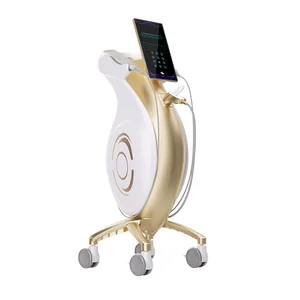
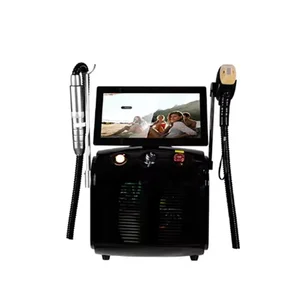
Explore our certified medical-grade beauty machinery optimized for modern aesthetic clinics, medical spas, and high-growth distributors worldwide.
Analyzing market dynamics, clinical demands, and the rapid shift from 2D imaging to multi-spectral diagnostic structures.
In the contemporary landscape of clinical dermatology and high-end aesthetic medicine, the deployment of CE certified 3D skin analysis technology has transitioned from a premium differentiator to an absolute diagnostic prerequisite. Traditional 2D face scans are inherently constrained by environmental ambient lighting variances, perspective distortions, and the complete inability to evaluate skin surface texture depth, volumetric changes, or sub-surface vascular structures. Modern 3D skin scanners resolve this limitation by merging structured-light technology, polarization filters, and deep-learning diagnostic models.
Export markets across the European Union, North America, and APAC regions have demonstrated a robust CAGR of over 12.4% for spatial optical diagnostic hardware. Clinicians utilize these systems not just as consultation aids, but as objective validation engines. By capturing sub-millimeter topography of wrinkles, pores, and sebum distribution, clinics can establish a scientific baseline. This baseline is critical to justify and track the efficacy of invasive thermal, optical, or chemical treatments over time.
"Modern 3D skin analysis does not merely capture images; it measures dermal changes. With sub-millimeter structured light grids, it map facial architecture and vascular patterns in real-time, eliminating subjective bias."
Navigating the shift toward Artificial Intelligence (AI) predictive models and hyperspectral hardware integration.
Transitioning from standard RGB and UV to narrow-band hyperspectral imaging. This allows developers to isolate specific light absorption spectrums, directly measuring hemoglobin concentration and deep melanin profiles without invasive biopsying.
Utilizing Generative Adversarial Networks (GANs) and vast multi-ethnic datasets to predict aging trajectories over 5, 10, and 15 years. This provides interactive patient visual paths and increases uptake of preventative therapies.
Connecting diagnostic devices to centralized cloud infrastructure. High-end platforms leverage open RESTful APIs to feed diagnosis reports directly into enterprise Electronic Medical Records (EMR) and CRM databases.
To assist global buyers and importers in evaluating standard platforms versus next-generation 3D hardware systems, we have compiled the definitive technological matrix below:
| Diagnostic Dimension | Traditional 2D Imaging Systems | Advanced 3D Multi-Spectral Analyzers | Clinical Utility & Value |
|---|---|---|---|
| Volumetric Mapping | Unsupported (Flat images) | Supported (Sub-millimeter structured light) | Accurate evaluation of dermal fillers and age-related volume loss. |
| Vascular Isolation | Approximate color filtering | Cross-polarized optical filters (PL) | Identifies deeper spider veins, rosacea patterns, and subsurface inflammation. |
| Pore Depth Extraction | Estimated via shade analysis | Structured dynamic light triangulation | Provides accurate metrics on pore expansion and sebum clearance efficacy. |
| Environmental Variance | High (Sensitive to ambient light) | Zero (Closed darkroom optical chamber) | Ensures perfect pre-and-post treatment comparison repeatability. |
Delivering certified medical and aesthetic hardware to the global market since 2013.
How global distributors and aesthetic clinics integrate diagnostic technologies to scale revenue and build E-E-A-T.
For high-acuity clinical environments, accuracy is paramount. A CE-certified analyzer serves as a diagnostic anchor, allowing dermatologists to track pigmentation disorders, pre-cancerous actinic keratosis, and inflammatory skin conditions. Visual progress records also serve to build patient trust and compliance with long-term prescription regimens.
For franchises, standardizing consultation quality across multiple locations is a major challenge. Integrated 3D diagnostic systems ensure that every customer receives an identical, objective, data-backed skin report, regardless of the aesthetician's experience level. This uniform standard of care simplifies upselling and enhances brand loyalty.
Skincare formulators and manufacturing laboratories utilize clinical-grade 3D analysis to document the efficacy of active ingredients (such as retinoids, peptides, and antioxidants). Real-time tracking of fine-line depth reduction and barrier repair metrics provides verified, scientific data for product claims and regulatory compliance filings.
By offering detailed diagnostic reports, luxury day spas can elevate their services. The automated report system generates personalized product and service recommendations based on the patient’s scan, increasing in-house skincare retail sales by up to 35% within the first quarter of deployment.
A behind-the-scenes look at Guangzhou EssSea Beauty’s state-of-the-art production assembly and quality control pipelines.

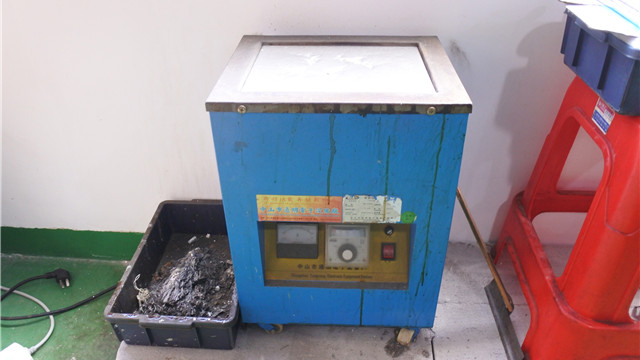

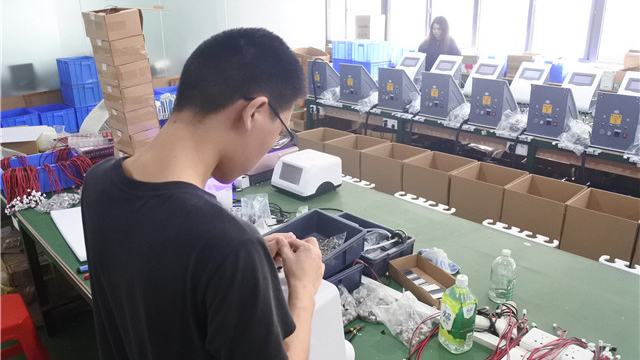
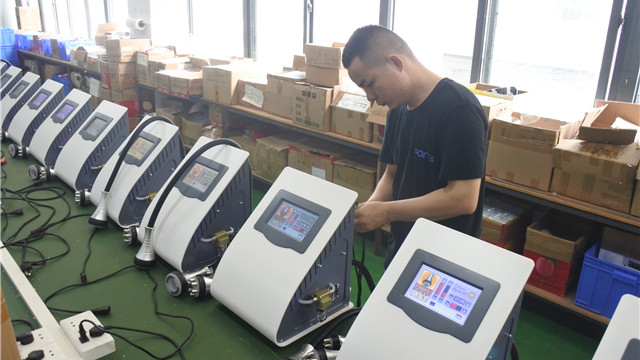
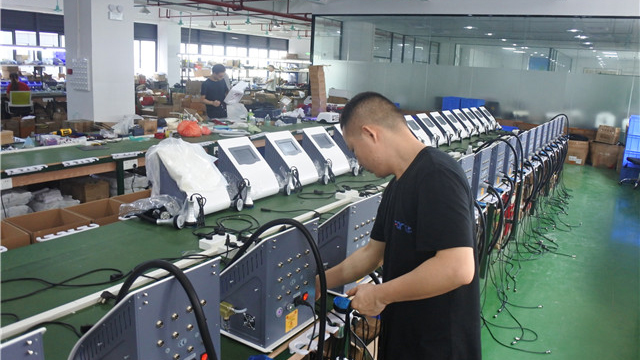


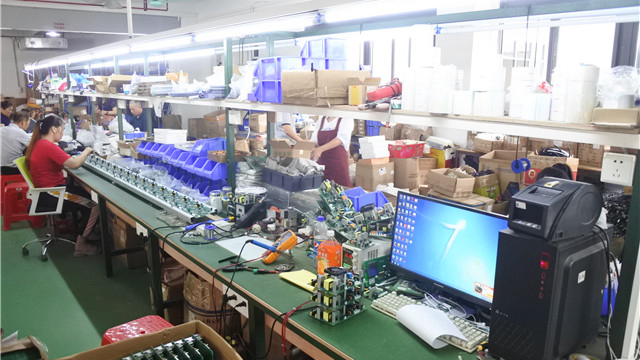
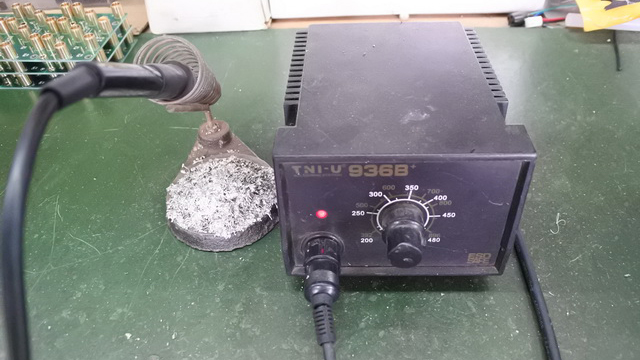
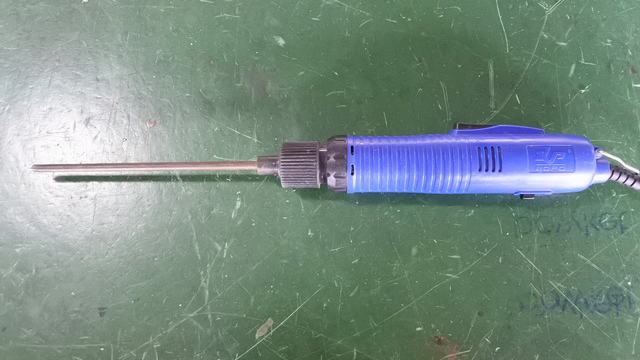

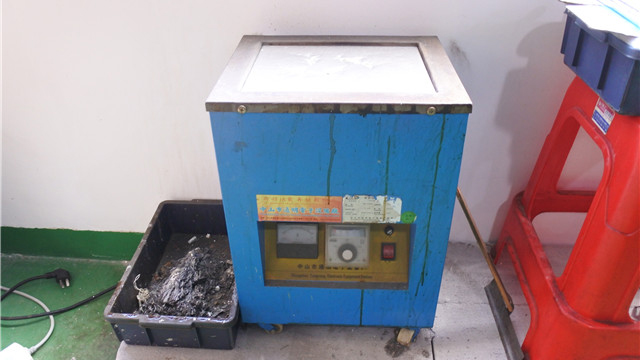
Established in 2013 in Guangzhou, China, Guangzhou EssSea Beauty Co., Ltd. is a high-tech enterprise dedicated to the research, development, production, and application of advanced aesthetic and beauty devices. Spanning a facility of over 2,000 square meters and backed by a highly specialized R&D team of 6–8 clinical engineers, our production lines follow strict international quality protocols. Every single component—from raw PCBs undergoing soldering, plug-in, and tin immersion, to final hardware assembly—is subjected to 48 hours of uninterrupted thermal and functional load testing before leaving our facility.
Our specialization spans across key aesthetic hardware platforms, including:
We pride ourselves on offering flexible, high-quality OEM/ODM options to meet the needs of international distributors, clinical chains, and private labels. From customized casing designs and localized software UI translation to complete custom-built functional configurations, EssSea Beauty delivers certified performance and reliable aesthetic hardware solutions.
How 3D diagnostics serves as the core hub for clinics to optimize operational workflows and maximize client lifetime value (LTV).
Traditional consultations rely heavily on the aesthetician's subjective evaluation. Utilizing 3D diagnostics, clinics can transition to an objective consultation model. By showing patients their deep UV pigmentation, sub-surface vascular redness, and aging simulations, clinics see an average increase of 40% in initial package conversion rates. The analysis report acts as an impartial third-party expert that validates the provider's treatment recommendations.
When clients invest in high-end procedures (such as Fractional CO2, Microneedling, or HIFU), they expect measurable results. By utilizing baseline scans compared side-by-side with post-treatment images, clinics can objectively demonstrate changes in wrinkle volume, pigment density, and skin texture. This data-backed evidence reduces patient disputes, increases satisfaction, and drives positive organic word-of-mouth reviews.
Direct answers regarding specifications, regulatory standards, calibration, and global sourcing strategies.
Explore our advanced range of body contouring, laser therapy, and skin rejuvenation platforms for global distribution.
 EssSea Beauty