Laser hair removal has emerged as a popular choice for those seeking long-term hair reduction. However, the method raises questions when it comes to darker skin tones. Dr. Shari Lipner, a dermatologist and expert in this field, states, "Understanding skin type is crucial for safe and effective laser hair removal." This highlights the importance of expert knowledge in navigating the complexities of laser treatments on darker skin.
The process of laser hair removal works by using concentrated light energy to target hair follicles. For darker skin, the treatment parameters must be adjusted carefully. The high melanin content in dark skin can absorb more light, leading to potential skin damage if not done correctly. The right technology and settings are key to ensuring safety.
Practitioners must have experience and understanding of various skin types. They should perform spot tests to assess the skin’s reaction. It's a meticulous approach that requires caution and skill. While advancements in technology have made this possible, there are still risks that need consideration. Missteps can lead to burns or discoloration. Therefore, an informed decision and a reputable practitioner are vital for anyone asking, "how does laser hair removal work on dark skin?
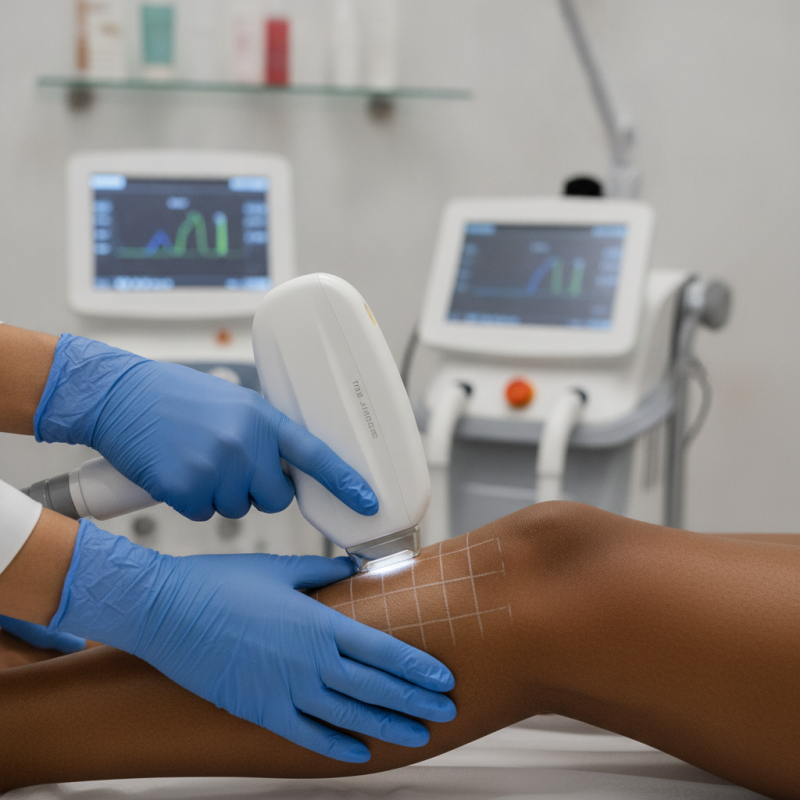
Understanding Laser Hair Removal Technology
Laser hair removal is a popular method for achieving long-lasting hair reduction. Understanding how it works, especially on dark skin, is crucial for safety and efficacy. Laser technology targets the pigment in hair follicles. For darker skin tones, it’s essential to use lasers that distinguish between the skin and hair. This prevents skin damage while effectively targeting unwanted hair.
Tips for safety: Always consult a trained professional before starting treatment. Discuss your skin type to ensure the right laser is chosen. Patch tests are essential. They help gauge skin response and laser effectiveness. Be cautious if you have any underlying skin conditions. Not every laser is suitable for everyone.
The experience of laser hair removal can vary. Some find it uncomfortable, while others report minimal pain. It's important to set realistic expectations about the number of sessions needed. Dark skin may require different settings for optimal results. Always communicate openly with your technician to adjust settings as needed. Keeping informed about how technology advances can enhance your treatment experience.
The Science of Hair Follicles and Melanin Interaction
Understanding the interaction between hair follicles and melanin is crucial for effective laser hair removal, especially on dark skin. Hair follicles contain melanin, the pigment responsible for hair color. This pigment absorbs light energy from the laser, allowing for targeted treatment. However, darker skin also has more melanin, which can absorb the laser energy. This is where expertise is vital.
Using appropriately calibrated lasers is essential. Devices must be able to differentiate between hair and skin pigment. Advanced technologies can adjust intensity based on skin tone, ensuring safety and effectiveness. Not all lasers are suitable for darker skin. Some can cause burns or discoloration if not used properly. Training for practitioners plays a critical role here, as improper use can lead to complications.
It's important to set realistic expectations. Results vary from person to person. Skin response to treatment may also differ. Some may experience post-treatment hyperpigmentation, while others may see effective hair reduction without issues. Individual assessment is necessary before starting treatment to mitigate risks. Open discussions with professionals can help patients understand what to expect, paving the way for a safer experience.
Safety Protocols for Laser Treatment on Dark Skin
Laser hair removal is gaining popularity among individuals with dark skin tones. However, safety is a paramount concern. Dark skin possesses higher melanin levels, which absorb more laser energy. This can lead to skin damage if not managed properly. According to the American Society for Laser Medicine and Surgery, specific settings must be adjusted for effective and safe treatments on darker skin.
To enhance safety, practitioners should use lasers with longer wavelengths. These are less likely to affect the skin's surface while targeting hair follicles effectively. Techniques like cooling devices can further minimize skin irritation. A study published in the Journal of Cosmetic Dermatology indicated that with proper settings, the risk of complications drops significantly. Nonetheless, it's essential to evaluate each individual's skin type and condition before treatment.
Despite advancements, challenges remain. Some practitioners may lack specialized training for darker skin. This can lead to improper treatment and undesirable outcomes. The importance of ongoing education in this field cannot be overstated. Continuous training ensures that practitioners understand the nuances of treating diverse skin types. Additionally, patient education is vital. Clients should be informed about what to expect and the need for multiple sessions. These factors contribute to safer and more effective laser hair removal experiences for individuals with dark skin.
How Does Laser Hair Removal Work Safely on Dark Skin? - Safety Protocols for Laser Treatment on Dark Skin
| Protocol |
Description |
Importance |
| Skin Assessment |
Evaluate skin type and condition to determine appropriate laser settings. |
Ensures safety and effectiveness of treatment. |
| Cooling Techniques |
Use of cooling gels or devices to protect the skin and reduce discomfort. |
Minimizes risk of burns and enhances patient comfort. |
| Laser Selection |
Choose a laser wavelength that is effective on dark skin types. |
Limits damage to surrounding skin and improves results. |
| Test Spot Treatment |
Perform a small test area to observe skin reaction before full treatment. |
Identifies potential adverse reactions and allows for adjustments. |
| Post-Treatment Care |
Instruct patients on aftercare to avoid irritation and promote healing. |
Enhances results and reduces complications. |
Choosing the Right Laser Type for Dark Skin Tones
When considering laser hair removal for dark skin tones, selecting the right laser type is crucial. Different lasers interact with melanin in the skin differently. For dark skin, options like the Nd:YAG laser are highly recommended. This laser has a longer wavelength, allowing it to focus on hair follicles rather than the surrounding skin. It minimizes the risk of burns and hyperpigmentation.
Your practitioner’s expertise matters immensely. An experienced technician can assess your skin type and choose the appropriate settings. They should conduct a patch test first. This step helps identify your skin's reaction to the chosen laser. It’s essential to communicate openly about your skin's history to achieve the best results.
However, even with the best technology, results can vary. Some individuals may experience skin irritation or temporary discoloration. It's vital to understand these potential outcomes. Regular follow-up sessions may be necessary to ensure optimal hair reduction. Remember, every skin tone has unique characteristics. Therefore, personalized care can lead to a safer and more effective hair removal experience.
Post-Treatment Care for Optimal Results on Dark Skin
After laser hair removal, proper post-treatment care is crucial for dark skin. Dark skin contains more melanin, which can lead to increased sensitivity. It's essential to avoid direct sunlight for at least two weeks. Sun exposure can cause hyperpigmentation, making it essential to wear protective clothing or use a broad-spectrum sunscreen.
Hydration is vital for the skin's recovery. Applying soothing aloe vera gel can help calm irritation and maintain moisture. It's also advisable to avoid hot showers and vigorous exercise for a few days. These actions can exacerbate inflammation and delay healing. Monitoring your skin for any unusual reactions is necessary. Some redness or swelling may occur, but persistent issues should be discussed with a professional.
Listening to your skin is part of the process. Each person's response may vary, and what works for one might not work for another. Adjusting care routines based on how your skin feels can lead to better results. Don't hesitate to seek help if something feels off. This proactive approach often leads to the best outcomes.
Laser Hair Removal Effectiveness on Dark Skin
This chart illustrates the effectiveness of laser hair removal on different dark skin types. The data indicates the percentage of effectiveness for skin types IV, V, and VI, demonstrating that while laser hair removal is effective on darker skin, results can vary by skin type.
Conclusion
Laser hair removal has become a popular hair reduction method, but many wonder: how does laser hair removal work on dark skin? This technique involves using specific laser wavelengths that are absorbed by the melanin in hair follicles, effectively targeting and damaging them while minimizing harm to the surrounding skin. Understanding the interaction between hair follicles and melanin is crucial, especially for those with darker skin tones, where the risk of pigment changes is higher.
To ensure safety and efficacy, practitioners must follow rigorous safety protocols tailored for dark skin. This includes selecting the appropriate laser type that can discriminate between the hair and skin pigmentation, as well as implementing suitable cooling techniques during treatment. Post-treatment care is equally important, as it helps in achieving optimal results while reducing the risk of side effects. By adhering to these guidelines, individuals with dark skin can enjoy the benefits of laser hair removal safely and effectively.

 EssSea Beauty